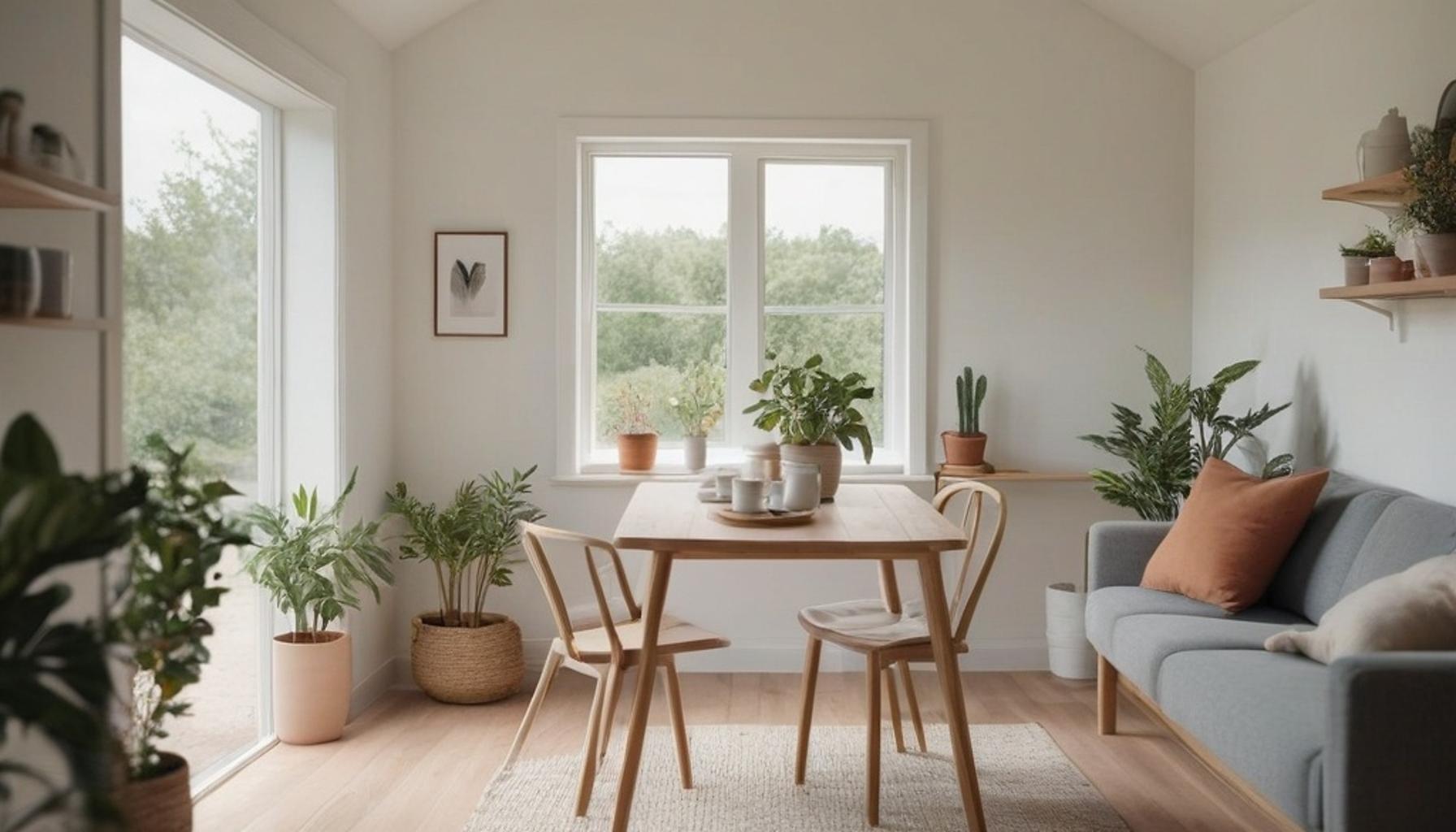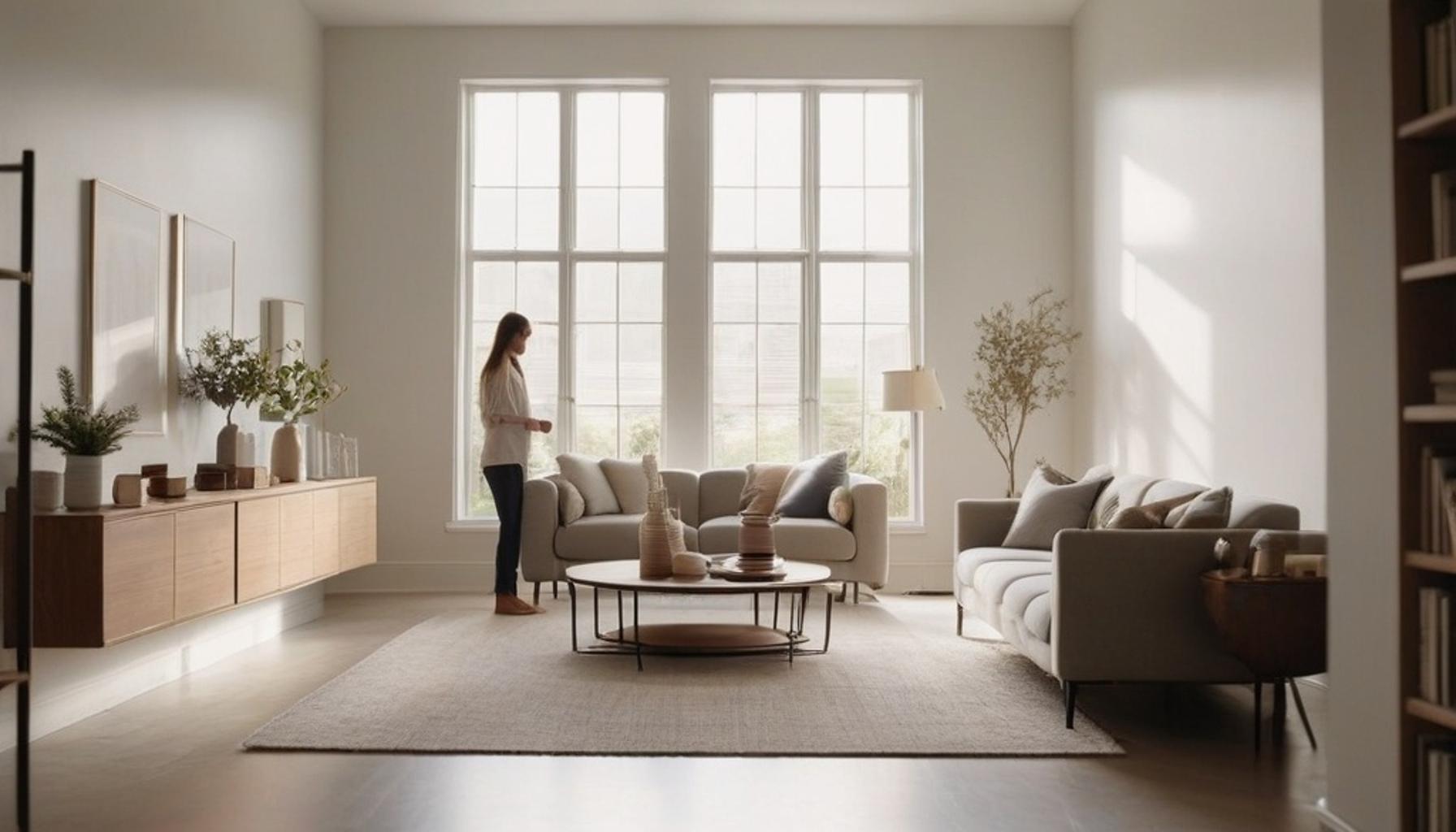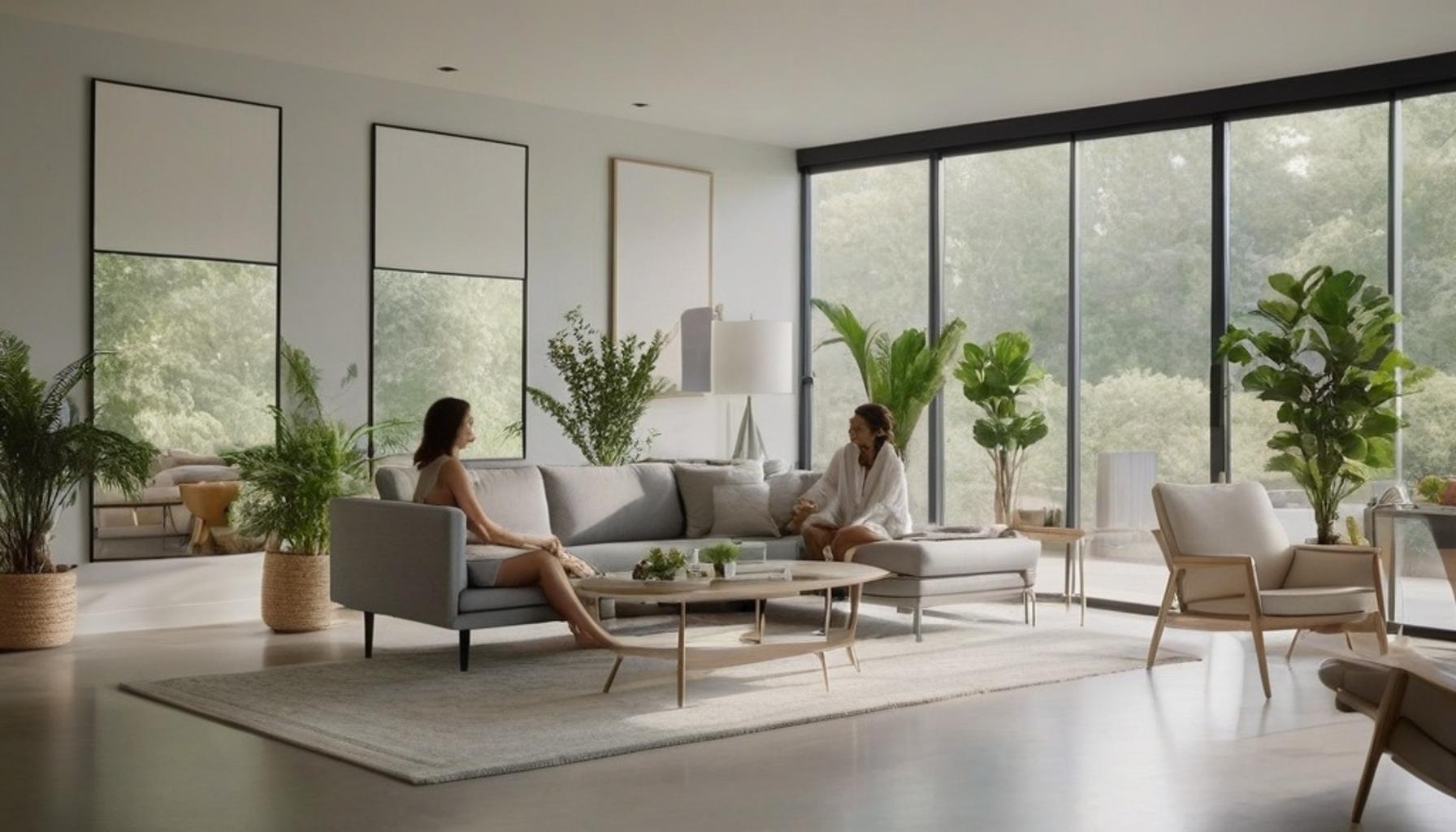
Personal Organization Strategies: Maximizing Small Spaces with Smart Solutions
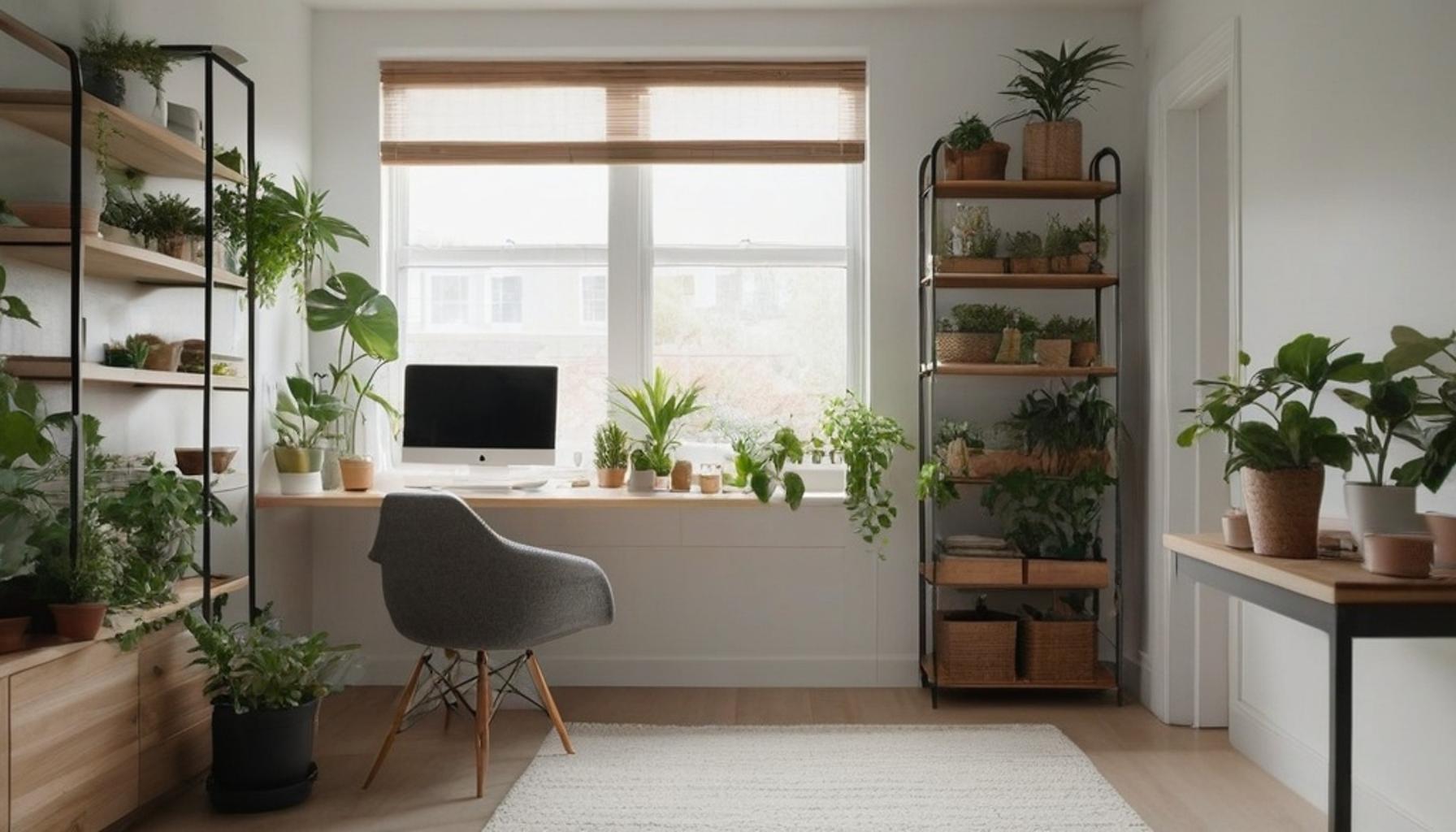
Small Space, Big Potential: Why Organization Matters More Than Ever
Across the United States, the average apartment size has shrunk to roughly 887 square feet, according to recent housing data. From studio units in New York City to compact condos in San Francisco, Americans are learning to live with less square footage without sacrificing comfort. This trend, fueled by rising real estate prices and urban migration, has led to innovative living solutions that prioritize organization and efficiency.
The increasing demand for cohabitation, single living, and remote work setups has sparked a growing interest in personal organization strategies designed specifically for tight quarters. Homeowners and renters are discovering that clever design choices can turn even the smallest room into a functional, clutter-free retreat. For instance, utilizing under-bed storage can free up vital floor space while keeping essentials within reach. By choosing furniture that doubles as storage, such as an ottoman that conceals blankets or a coffee table with shelves, many individuals are creating aesthetically pleasing environments that serve multiple purposes.
What You’ll Discover in This Guide
This article dives into practical, tested approaches for reclaiming your space. Expect actionable insights on:
- Smart solutions for small spaces, including vertical storage and multi-purpose furniture. For example, wall-mounted shelves can save space while displaying books and decorative items, and expandable dining tables can accommodate guests without being permanently cumbersome.
- Proven organization tips for small apartments that maximize every inch. Adopting a minimalistic mindset often helps residents identify which items truly add value to their lives, leading to a more organized home.
- Techniques for maximizing space in minimal homes without expensive renovations. Creative painting techniques, such as using lighter colors or mirrors, can make a room feel more expansive without any costly renovations.
- Efficient storage ideas for tiny rooms, from closets to kitchens. Consider using spice racks in cabinets to maximize vertical storage in kitchens or installing hooks in cramped entryways for easy access to coats and bags.
- Step-by-step methods for decluttering small living spaces and maintaining order long-term. Regularly reassessing belongings through seasonal check-ins can prevent accumulation over time and ensure that each item serves its purpose.
Whether you’re navigating a cramped city apartment or simply want to optimize a guest room, these strategies offer real, measurable results. By implementing these organization techniques, you’ll be amazed at how spacious and inviting your living environment can become. Get ready to rethink what’s possible in your home.
RECOMMENDED: Functional Design: How Multifunctional Furniture Enhances Space Optimization in Tiny Homes
Vertical Thinking: The Foundation of Smart Solutions for Small Spaces
Walk into any well-organized studio apartment, and you’ll notice something immediately: the walls are working just as hard as the floor. This shift in perspective, thinking upward instead of outward, forms the backbone of effective personal organization strategies for compact living.
Interior designers across the country have embraced what’s often called the “vertical mindset.” Rather than viewing a room’s square footage as its only asset, they treat wall space, door backs, and even ceiling areas as prime real estate. A single wall in a 10-foot-wide bedroom can hold shelving that stores what an entire dresser once did, while freeing up dozens of square feet for movement.
Practical Applications That Actually Work
Consider the following approaches that homeowners across urban centers like Chicago, Boston, and Los Angeles have adopted with measurable success:
- Floating shelves installed above desks or beds add storage without consuming floor space, ideal for books, plants, or decorative baskets.
- Pegboards in kitchens allow pots, utensils, and cutting boards to hang in plain sight, reducing cabinet overcrowding by as much as 30 percent, according to organization consultants.
- Over-the-door organizers transform an often-wasted surface into storage for shoes, cleaning supplies, or office materials.
- Loft-style bed frames raise sleeping quarters and open up the area beneath for a desk, seating nook, or additional storage bins.
These aren’t just aesthetic choices; they’re rooted in practical math. A typical 400-square-foot studio, common in cities like New York or Seattle, leaves little room for error. Every unused vertical inch represents a missed opportunity for maximizing space in minimal homes.
Why Multi-Functional Furniture Is a Game-Changer
Beyond vertical storage, furniture that serves dual purposes has become a cornerstone of modern organization tips for small apartments. A bed frame with built-in drawers eliminates the need for a separate dresser. A dining table that folds against the wall when not in use can reclaim an entire corner of a living room.
Retailers have responded to this demand, with multi-functional furniture sales rising steadily over the past five years as more Americans embrace smaller footprints. This isn’t a passing trend, it’s a fundamental rethinking of how we occupy space.
These early strategies set the stage for deeper, room-specific techniques that tackle some of the most challenging areas in any small home: closets, kitchens, and entryways.
| Category | Description |
|---|---|
| Vertical Storage Solutions | Utilizing wall space through shelves, hooks, and cabinetry to keep floors clear and create more usable areas. |
| Multi-Purpose Furniture | Incorporating furniture that serves multiple functions, such as storage ottomans or daybeds, optimizing every inch. |
| Smart Solutions for Small Spaces | Efficient storage ideas for tiny rooms foster creativity and adaptability, making life easier in minimal homes. |
| Decluttering Techniques | Regularly assessing and removing items can create a peaceful, organized environment, reducing stress. |
YOU MAY ALSO LIKE: Maximizing Small Spaces: Smart Storage Solutions for a Clutter-Free Home
Room-by-Room Tactics: Where Efficient Storage Ideas for Tiny Rooms Make the Biggest Difference
Closets, kitchens, and entryways tend to be the first spaces to spiral into chaos. They’re also where personal organization strategies can produce the most dramatic transformations, because these areas typically suffer from poor design rather than lack of space.
Professional organizers in cities like Austin and Denver report that closets alone account for nearly 40 percent of client complaints. The fix rarely involves adding square footage. Instead, it’s about rethinking how existing space gets used.
Closets: The Most Underestimated Storage Zone
A standard closet wastes an enormous amount of vertical space above the single hanging rod. Adding a second rod, or installing adjustable shelving systems, can nearly double storage capacity without any structural changes.
- Slim, matching hangers can free up to 50 percent more rod space compared to bulky wooden or wire alternatives.
- Clear stackable bins on closet shelves make items visible, reducing the time spent searching, a small but meaningful step toward decluttering small living spaces.
- Door-mounted racks inside closets handle accessories, scarves, or even small tools that otherwise clutter drawers.
Kitchens: Small Footprint, Big Opportunity
Kitchens in older apartment buildings, common throughout cities like Philadelphia and San Francisco, often measure less than 50 square feet. Yet these spaces demand the most functional storage of any room in the home.
Drawer dividers, stackable shelf inserts, and magnetic strips for knives or spice tins are inexpensive additions that yield outsized results. Some organization consultants estimate that a well-planned drawer system can eliminate the need for an entire extra cabinet.
Entryways: The Space Everyone Forgets
Entryways rarely get the attention they deserve, yet they set the tone for the rest of a home’s organization. A small bench with built-in cubbies, paired with wall hooks, can handle shoes, bags, and outerwear without ever touching the floor.
This approach reflects a broader truth behind smart solutions for small spaces: the goal isn’t simply to hide clutter, but to assign every item a designated home. When that principle holds true across every room, even the tightest apartments start to feel remarkably spacious.
SEE ALSO: Vertical Storage Strategies: Transforming Your Home with Smart Shelving Ideas
Bringing It All Together: Small Space Living as an Ongoing Practice
Across closets, kitchens, and entryways, one theme keeps surfacing: personal organization strategies succeed when they treat storage as a system, not a one-time purchase. The bins, hooks, and dividers matter less than the habit of assigning every object a permanent address.
Data from housing surveys in cities like New York and Chicago consistently shows that residents in units under 700 square feet spend more time managing possessions than those in larger homes. That statistic alone explains why organization tips for small apartments have become such a searched-for topic nationwide, from renters in Boston walk-ups to owners of Los Angeles bungalows.
What the Research Suggests Going Forward
Interior designers increasingly argue that maximizing space in minimal homes isn’t about buying more containers. It’s about editing possessions first, then organizing what remains. This sequence matters more than any product on the market.
- Reassess storage systems every few months, since needs shift with seasons and lifestyle changes.
- Prioritize vertical space before considering a move to a larger unit.
- Treat decluttering small living spaces as maintenance, not a one-time event.
The broader lesson extends beyond square footage. Smart solutions for small spaces reveal how intentional design can outperform sheer size. A 400-square-foot studio, organized well, can function more efficiently than a cluttered two-bedroom home.
As urban housing costs continue climbing across the United States, more Americans will likely find themselves working with less space, not more. Those who master efficient storage ideas for tiny rooms now will be better positioned to adapt, regardless of where their next lease takes them.
Frequently Asked Questions
What are some effective personal organization strategies for small apartments?
Effective personal organization strategies for small apartments include utilizing vertical space with shelves and wall-mounted storage, opting for multi-functional furniture, and decluttering regularly. Consider using under-bed storage boxes to maximize hidden spaces and choose clear storage bins for easy visibility of your items. These methods can help you create a more organized and functional living environment.
How can I organize my closet when space is limited?
To organize your closet in a small space, start by categorizing your clothes and donating items you no longer wear. Use slim hangers to maximize hanging space, and consider adding a second rod to create more vertical hanging options. Incorporate cascading hangers and pull-out drawers for accessories to keep everything accessible and tidy.
What smart solutions can I implement in my kitchen to maximize storage?
In a small kitchen, consider using magnetic strips to store knives and other metal kitchen tools, which frees up drawer space. Installing pull-out shelves or racks in your cabinets can also make narrow spaces more usable. Additionally, utilizing hooks and racks for pots and pans can help keep your countertops clear and organized.
Are there specific personal organization strategies for home offices in small spaces?
For a home office in a small space, optimize your layout by using a wall-mounted desk or a foldable table that can be tucked away when not in use. Utilize vertical storage solutions like bookcases or wall shelves for office supplies, and make sure to keep only essential items on your desk to reduce clutter. Incorporating drawer organizers can help maintain a neat workspace.

Beatriz
Beatriz Johnson is a seasoned minimalist and writer with a passion for simplifying the complexities of personal organization and intentional living. With over a decade of experience in decluttering strategies and mindful consumption, she specializes in topics like space optimization, habit simplification, and sustainable lifestyle choices. Through her work on our website, Beatriz empowers readers to embrace minimalism, reduce mental and physical clutter, and create more meaningful, organized lives in today's fast-paced world.