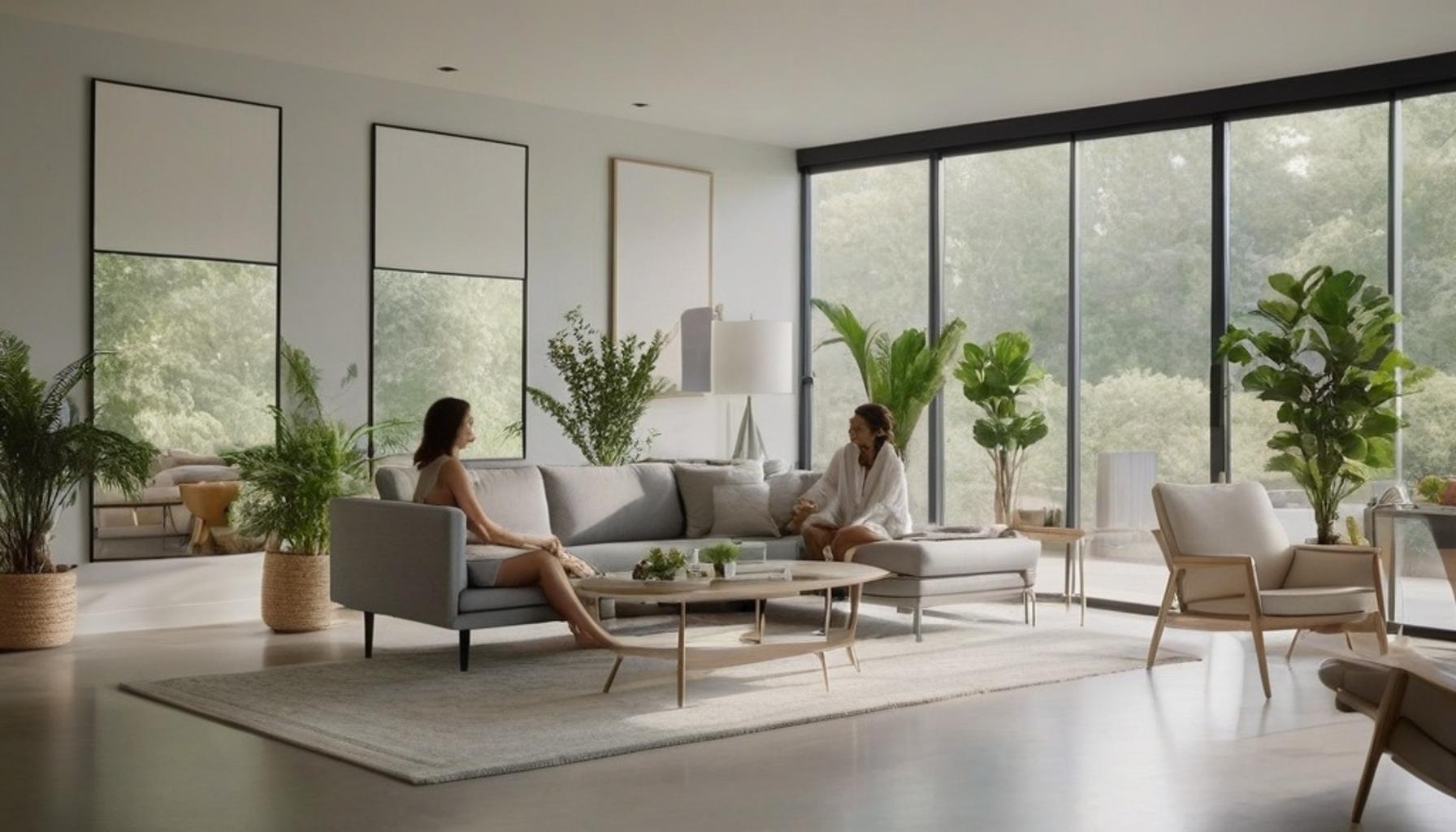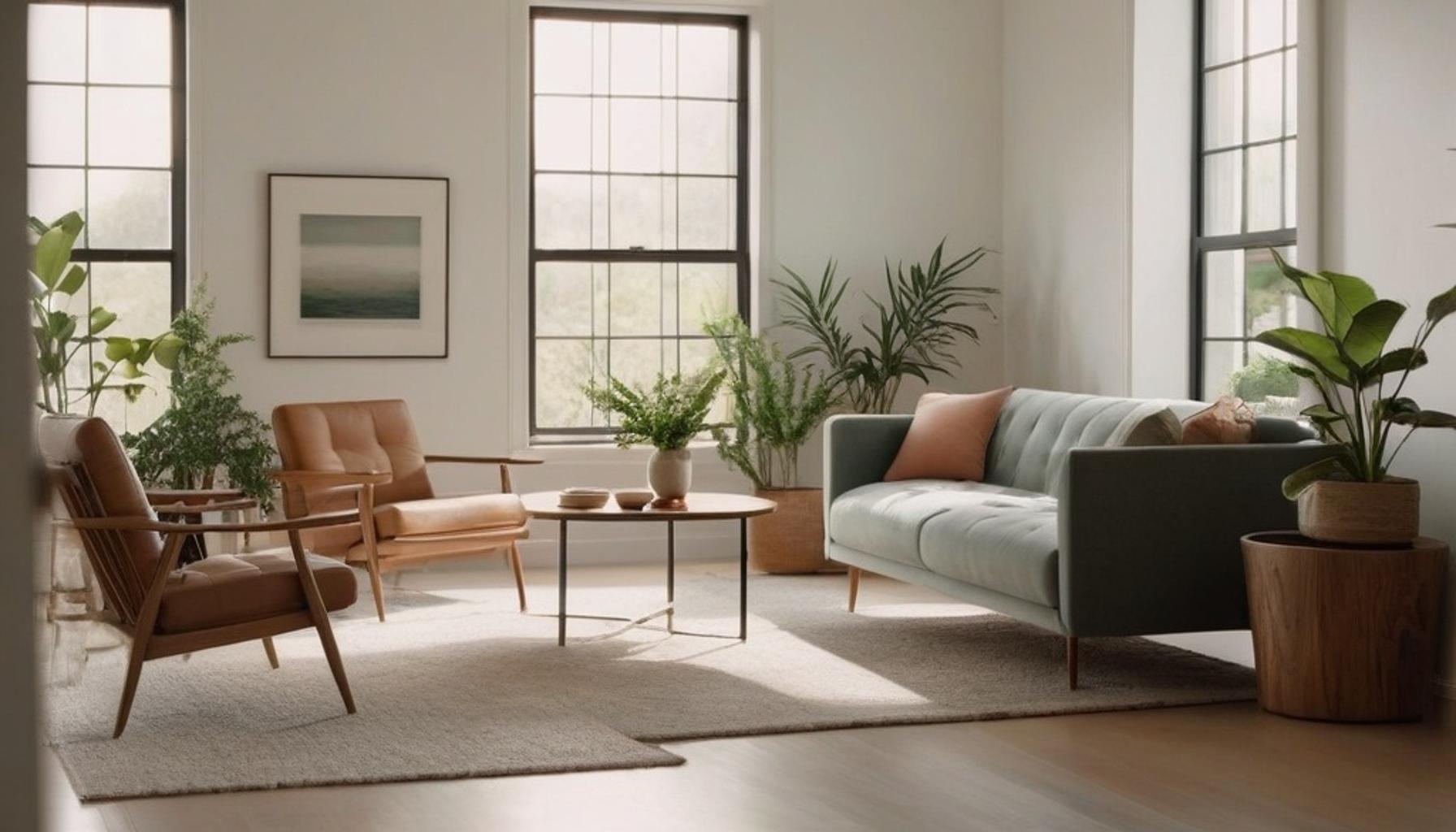
The Art of Minimalism: Creating Efficient Living with Smart Space Optimization Techniques
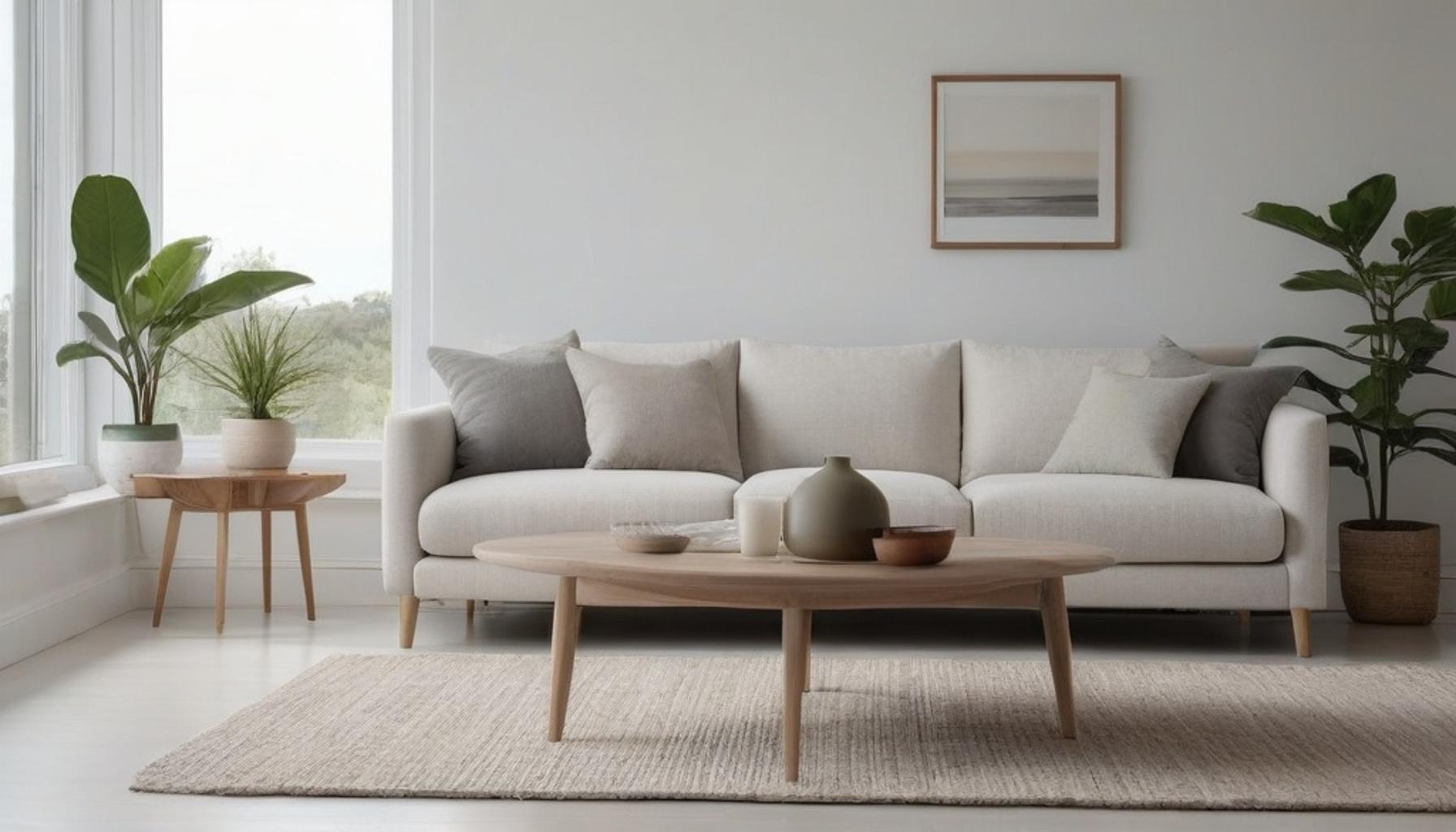
Rethinking Square Footage in the Age of Small-Space Living
The average American home has shrunk in usable space even as clutter has expanded, pushing more households toward the Art of Minimalism as a practical survival strategy rather than just an aesthetic trend. In a world where the excess of possessions often leads to overwhelming chaos, the journey towards streamlined living has become a compelling narrative for many.
From studio apartments in bustling Chicago to charming tiny homes dotting the landscapes of Austin and Portland, urbanites are increasingly discovering how smart space optimization techniques can turn their confined living quarters into functional and aesthetically pleasing environments. The creative use of space has transformed ordinary dwellings into extraordinary reflections of personal lifestyle and efficiency.
Why This Lifestyle Shift Matters Now
Rising rent prices and dwindling housing inventory compel many Americans to reconsider their living arrangements. A recent report indicates that nearly one in three renters spends more than 30% of their income on housing, often translating to cramped conditions. In this reality, learning to do more with less isn’t just advantageous; it’s essential.
- Efficient living strategies include maximizing vertical storage with wall-mounted shelving and finding multi-purpose furniture like sofa beds or extendable dining tables.
- A strong decluttering movement has emerged, inspired by notable figures like Marie Kondo, who advocate for minimizing possessions to only those that “spark joy.” This philosophy encourages individuals to reevaluate their belongings critically.
- Ideas for space-saving borrowed from tiny-house and van-life communities highlight clever designs, such as foldable workstations and hidden storage compartments, making even the smallest spaces work harder.
- In today’s digital age, numerous apps assist in tracking belongings, helping individuals to minimize impulse purchasing and maintain a tidy living environment.
This lifestyle shift is not simply about deprivation; it embodies intention and mindfulness. A well-executed minimalist lifestyle minimizes daily decision fatigue—making choices regarding home decor and personal belongings easier—while dramatically increasing the usability of every room.
What This Article Will Cover
In the sections that follow, we will explore a range of strategies, tools, and mindset shifts that empower living with less, whether you are a renter, homeowner, or simply looking to declutter your life.
- Detailed room-by-room optimization strategies that cater to specific needs.
- Innovative storage solutions that cleverly hide in plain sight, ensuring functionality isn’t sacrificed for aesthetics.
- Psychological benefits backed by recent research, underscoring the mental clarity that often accompanies a tidy space.
In a society that values materials, it’s important to recognize the profound impact of simplicity. Whether by choice or necessity, the insights shared here offer a roadmap to reclaiming both your space and your sanity, enriching the quality of life for many Americans striving for balance in a cluttered world.
DISCOVER MORE: Click here for kitchen organization tips
Walk into any well-designed micro-apartment in metropolitan hubs such as New York or Los Angeles, and you’ll notice one key aspect immediately: nothing is wasted. Every surface, corner, and vertical inch serves a purpose, ushering in an era where minimalism is not merely an aesthetic choice but a way of life. This is the foundation of the Art of Minimalism in practice—not empty rooms, but intelligently arranged spaces designed for maximum utility.
Interior designers specializing in compact living consistently identify the kitchen as the epicenter of transformation in small homes. A 2023 survey by the National Kitchen and Bath Association found that homeowners who incorporated vertical storage solutions reported a remarkable 40% increase in usable counter space without any structural renovations, which is a game-changer for those operating in tight quarters.
The Kitchen: Small Footprint, Big Function
Kitchens in older American homes, particularly in cities like Boston and Philadelphia, often measure less than 70 square feet, presenting both a challenge and an opportunity. Rather than viewing this limited space as a restriction, savvy homeowners are embracing it as a call to action for innovative design.
- Magnetic knife strips and pegboard systems now replace bulky drawer organizers, resulting in the liberation of up to two full drawers in the average kitchen. This not only clears clutter but also enhances accessibility, allowing chefs to grab tools swiftly while cooking.
- Rolling carts that can be tucked beneath counters provide mobile storage for cookbooks, spices, or small appliances, ensuring that items are only pulled out when needed, thus keeping surfaces clean and organized.
- Nesting cookware sets, which stack neatly within each other, can reduce cabinet volume by nearly 30% compared to traditional mismatched pots and pans. This not only frees up space but also encourages a harmonious kitchen environment.
- Open shelving, while polarizing among homeowners, compels intentional curation of kitchenware—everything must earn its place, which eliminates unnecessary clutter while showcasing well-loved items.
Here, efficient living becomes palpable. Adopting minimalist principles isn’t merely about owning fewer items for the sake of aesthetics; it’s about ensuring that every piece of cookware, utensil, or gadget earns its place through daily utility. The result is a kitchen that is not just a cooking space but a culinary sanctuary.
The Bedroom: Rest Without Clutter
As apartments shrink across high-density markets like San Francisco, bedrooms are evolving into multi-functional zones. One clever solution that has gained traction is the implementation of platform beds with built-in drawers, effectively eliminating the need for separate dressers. This design choice, which draws inspiration from Japanese apartments, emphasizes efficiency without sacrificing style.
Additionally, under-bed storage bins that utilize vacuum-sealing for seasonal clothing can reclaim upwards of 15 square feet in a standard bedroom, optimizing every inch for practical use. Meanwhile, innovation continues with wall-mounted nightstands that fold flat when not in use, showcasing adaptability and function in tight spaces. This reflects a growing trend among renters seeking flexibility without committing to permanent alterations in their living environments.
These ideas are not merely abstract concepts pulled from design journals but are practical solutions that align with a broader decluttering guide mentality. This philosophy prioritizes functionality and efficiency over accumulation, ultimately proving that thoughtful design can triumph over square footage. The journey toward efficient living begins with recognizing that space is valuable, and it is the intentional choices we make regarding our items that define our comfort and style.
| Key Aspect | Description |
|---|---|
| Decluttering Guide | A systematic approach to eliminating unnecessary items, creating a cleaner space that fosters productivity. |
| Space Saving Ideas | Innovative solutions such as multifunctional furniture, vertical storage, and hidden compartments to maximize limited space. |
| Mindful Consumption | Promotes thoughtful purchasing decisions that align with a minimalist lifestyle, minimizing clutter and enhancing space efficiency. |
| Efficient Living | Encourages a lifestyle centered on quality over quantity, enhancing overall well-being and satisfaction. |
DISCOVER MORE: Click here for essential kitchen organization tips
Living Rooms and Home Offices: Multi-Purpose by Design
As urban living becomes more prevalent, particularly in vibrant cities like Chicago and Seattle, the challenges of optimizing space in living areas, specifically living rooms, have escalated. Open-concept layouts that blur the lines between living spaces often struggle to meet the demands of relaxation, productivity, and socialization. With the rising trend of remote work, many homeowners find themselves needing a versatile environment that accommodates multiple functions without compromising comfort or aesthetics.
A 2023 report from the American Institute of Architects reveals that nearly 65% of homeowners renovating small spaces prioritized multi-functional furniture as their top investment. This statistic reflects a significant shift in the way Americans are re-envisioning their living spaces, moving towards designs that can adapt to various needs rather than remaining static.
- Convertible sofas have emerged as a key player in this transformation. These practical pieces often feature built-in storage compartments perfect for stashing blankets, board games, or workspace necessities, thus offering invaluable flexibility. As a result, a single sofa can transition from a family gathering spot to a workspace for two with minimal effort.
- Fold-down desks, particularly popular among apartment dwellers in places like Austin and Denver, illustrate how clever design can create functional workspaces without sacrificing space. When mounted directly on the wall, these desks can be folded away at the end of the workday, leaving the room free for relaxation or social interaction.
- Modular shelving units have gained traction due to their adaptability. Unlike traditional bookcases, these units can be reconfigured to suit changing needs, whether users require more storage for books, decorative items, or even office supplies. This aligns with the trend of customization that homeowners increasingly seek to create personal sanctuaries tailored to their lifestyles.
- Ottomans with removable lids showcase how smaller furniture can have a significant impact. Acting as both additional seating and storage, they can cleverly hide items like extra linens or children’s toys, tackling clutter without compromising on design.
These examples reflect a broader movement toward smart space optimization techniques, where the constraints of square footage lead to innovative solutions. Designers argue that living in smaller spaces often cultivates greater creativity and problem-solving skills, driving homeowners to explore options they might overlook in larger suburban residences.
Digital Clutter: The Overlooked Frontier
Interestingly, the principles of minimalism extend beyond the physical environment. A growing awareness of digital clutter highlights another layer where minimalism can significantly enhance life quality. Just as physical clutter can detract from a serene living space, digital chaos can overwhelm our mental landscape, distracting us from productivity and mindfulness.
According to a 2022 Pew study, the typical American smartphone user has over 80 apps installed, yet regularly engages with fewer than 10. This phenomenon mirrors physical hoarding, as unused applications accumulate and drain our mental resources, even when they don’t occupy any physical space.
The push towards minimalist lifestyles now includes tactics for streamlining digital experiences. Organizing cloud storage, consolidating digital subscriptions, and curating notifications to prevent overload have become essential strategies. These efforts demonstrate that the minimalist philosophy reaches into every aspect of modern life, encouraging individuals to pursue clarity and intentionality in their virtual interactions just as they do in their living environments.
Ultimately, understanding and implementing these multifaceted approaches to both physical and digital spaces can empower individuals to cultivate harmonious, efficient, and flexible lifestyles, enriching their daily experiences in an increasingly complex world.
The Art of Minimalism: Bringing It All Together
From convertible sofas in Chicago apartments to decluttered smartphones nationwide, the Art of Minimalism proves itself to be far more than a passing design trend. It represents a comprehensive philosophy that touches furniture choices, room layouts, and even the digital spaces where Americans spend hours each day.
Throughout this exploration, one theme remains constant: smart space optimization techniques succeed not by eliminating possessions or functions, but by making every square foot and every digital touchpoint work harder. Multi-functional furniture, modular storage, and streamlined technology all point toward the same goal—an efficient living environment that adapts to real needs rather than dictating rigid routines.
Consider the broader implications. As remote work, urban density, and rising housing costs continue shaping American lifestyles, the demand for adaptable, intentional design will likely intensify. Cities like Austin, Denver, and Seattle already demonstrate how necessity breeds innovation, with residents embracing creative solutions that larger suburban homes rarely require.
For those ready to start, a few minimalist lifestyle tips can make the transition manageable:
- Begin with one room and apply a simple decluttering guide before introducing new furniture.
- Prioritize pieces that serve two or more purposes, such as storage ottomans or fold-down desks.
- Audit digital spaces quarterly, removing unused apps and subscriptions.
- Explore space saving ideas like vertical shelving before assuming a room lacks storage potential.
Minimalism, at its core, isn’t about deprivation. It’s about clarity, intention, and designing a life—both physical and digital—that supports how people actually want to live. As more households across the country test these strategies, the conversation around efficient, thoughtful living is only just beginning.
Frequently Asked Questions
What are the first steps I can take to embrace the Art of Minimalism in my home?
To start embracing the Art of Minimalism, begin by decluttering your space. Assess each item you own and ask yourself if it adds value to your life. Focus on keeping only those possessions that serve a purpose or bring you joy, and consider donating or recycling the rest.
How can I optimize a small living space while practicing the Art of Minimalism?
You can optimize a small living space by using multifunctional furniture and maximizing vertical storage. Consider investing in furniture pieces that serve dual purposes, like a bed with built-in storage or a coffee table that also functions as a desk. Additionally, use wall-mounted shelves to keep floors clear and maintain an open feel.
What are some common mistakes to avoid when practicing the Art of Minimalism?
One common mistake is trying to declutter too quickly, which can lead to regret over discarded items. Another mistake is not setting clear goals for your minimalism journey, resulting in a lack of direction. It’s essential to take your time and have a plan to ensure you maintain a balance between functionality and simplicity.
How does the Art of Minimalism contribute to mental well-being?
The Art of Minimalism can significantly enhance mental well-being by reducing stress and creating a more peaceful environment. Fewer possessions often lead to less distraction, allowing for clearer thinking and greater focus. Additionally, a simplified space can promote feelings of calm and control in your daily life.
Can adopting the Art of Minimalism help with eco-friendly living?
Yes, adopting the Art of Minimalism can align well with eco-friendly living practices. By reducing consumption and focusing on quality over quantity, you lower your ecological footprint. This approach encourages sustainable choices, such as repurposing items and opting for eco-conscious products, contributing to a healthier planet.

Beatriz
Beatriz Johnson is a seasoned minimalist and writer with a passion for simplifying the complexities of personal organization and intentional living. With over a decade of experience in decluttering strategies and mindful consumption, she specializes in topics like space optimization, habit simplification, and sustainable lifestyle choices. Through her work on our website, Beatriz empowers readers to embrace minimalism, reduce mental and physical clutter, and create more meaningful, organized lives in today's fast-paced world.