Creating an Organized Workspace: Tips for Productivity and Minimalism in Small Office Spaces
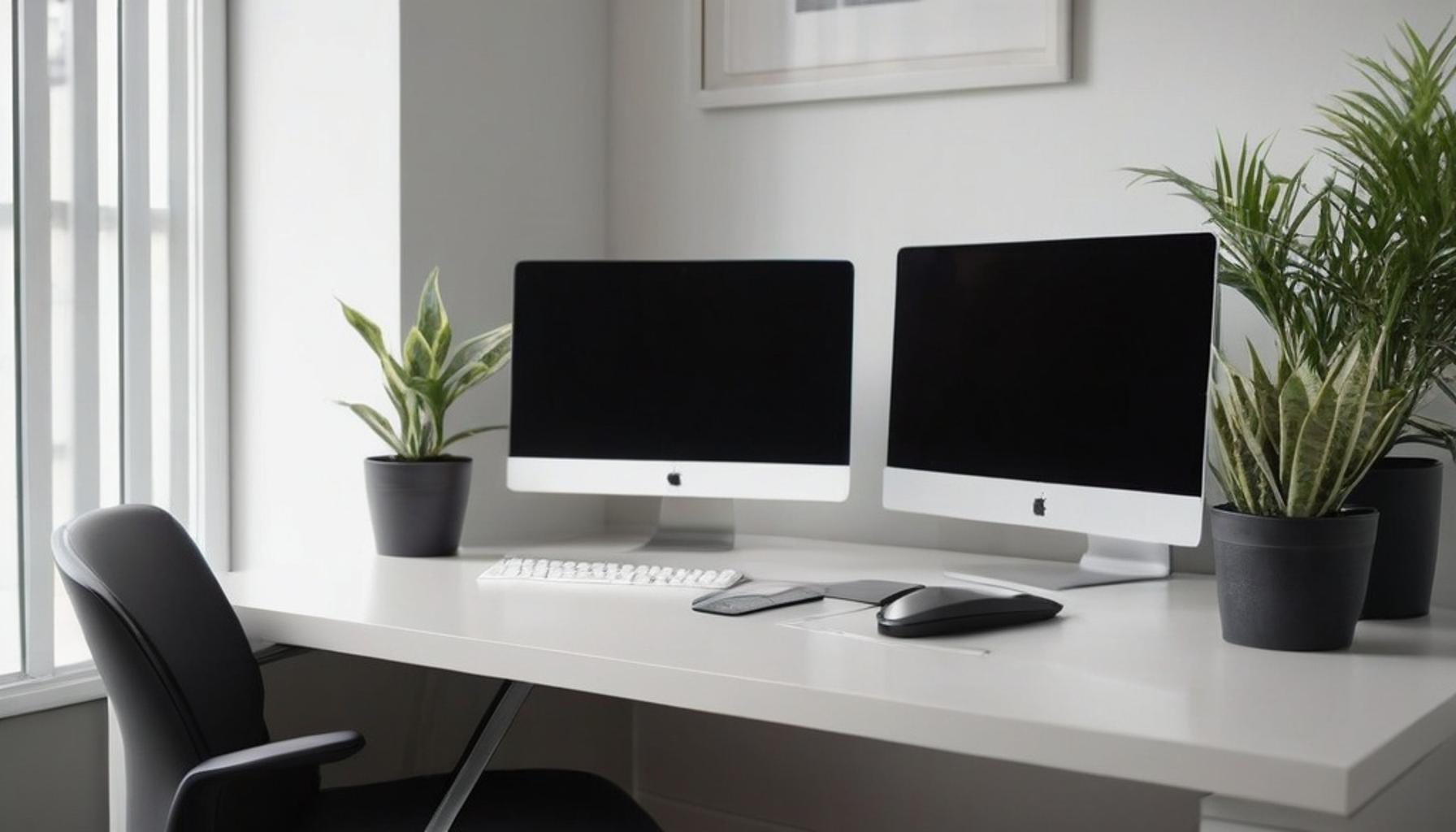
Why a Small Space Doesn’t Mean a Small Impact
A cluttered desk costs more than just aesthetics. Studies from Princeton University’s Neuroscience Institute found that visual clutter competes for your brain’s attention, reducing focus by up to 20%. For anyone working from a cramped corner of a New York apartment or a converted closet in a suburban home, this is a wake-up call that can significantly influence both performance and overall well-being.
Building an organized workspace isn’t just about looks; it’s a strategic move that directly affects output, creativity, and mental clarity. In a world where remote work has become increasingly common, an efficient workspace can be pivotal in unlocking your full potential.
The Small Office Challenge
Square footage is shrinking, with many people turning spare bedrooms, basements, or kitchen nooks into impromptu offices. According to the U.S. Census Bureau, the rise in remote work has led to an increase in home office setups, highlighting the need for innovative solutions that maximize limited space.
These spaces demand smarter solutions, not bigger ones. That’s where minimalist office setup principles come into play, offering practical answers to a common problem. Minimalism focuses on keeping only the essentials, allowing for clean lines and clear surfaces, which can significantly boost your ability to concentrate.
This article explores:
- Productivity tips for small office environments that maximize every square inch, such as multi-functional furniture and vertical storage options.
- Proven workspace decluttering ideas to eliminate distractions instantly, for example, using drawer organizers and cable management systems to reduce chaos.
- Smart storage systems designed for small office organization that make the most of available space, such as wall-mounted shelves or under-desk storage solutions.
- Design strategies behind efficient home office design that actually work, focusing on lighting, ergonomics, and the psychological impact of colors.
Whether you’re squeezed into 50 square feet or working from a dedicated room, the goal remains the same: create a space that works as hard as you do. Thoughtfully designed small workspaces can lead to big results, proving that size truly doesn’t define impact.
DISCOVER MORE: Click here to simplify your kitchen
Start with an Honest Audit of Your Space
Before buying a single storage bin or wall shelf, take stock of what’s actually happening on your desk. Most people underestimate how much clutter accumulates simply because they’ve stopped noticing it. Try this: take a photo of your workspace right now, then look at it later with fresh eyes.
That single exercise often reveals what daily familiarity hides. Coffee mugs from three days ago, cables snaking to nowhere, stacks of paper you swore you’d file. This is the starting point for any real organized workspace transformation.
The 48-Hour Rule
Professional organizers frequently recommend a simple test: if you haven’t touched an item in 48 hours of active workdays, it probably doesn’t belong on your desk. This isn’t about throwing things away carelessly, it’s about being deliberate with what earns a spot in your immediate workspace.
Applying this rule consistently is one of the most effective productivity tips for small office setups because it forces prioritization. In a 6-by-8-foot home office, every item competes for space, and not everything deserves a seat at that table.
Consider grouping your belongings into three categories:
- Daily essentials — items you use every single workday, like your laptop, notebook, and a pen.
- Weekly tools — things needed occasionally, such as reference binders or specialized equipment, which can live in a drawer or nearby shelf.
- Rarely used items — anything touched less than once a month should be stored elsewhere entirely, even outside the office.
This categorization is at the heart of effective small office organization. It transforms a chaotic surface into a functional command center where everything has a purpose and a place.
Digital Clutter Counts Too
Physical mess isn’t the only culprit. A desktop littered with hundreds of icons, dozens of open browser tabs, and an overflowing inbox creates the same cognitive drag as a messy desk. According to a 2023 report by Asana’s Anatomy of Work Index, workers switch between apps and tabs an average of 1,200 times per week, fragmenting attention and slowing task completion.
One of the simplest workspace decluttering ideas extends beyond your desk drawers and into your screen. Close unused tabs, archive old emails, and organize digital files into clearly labeled folders. A clean digital environment reinforces the calm created by a tidy physical one, and together they set the stage for the deeper organizational strategies explored next.

DIVE DEEPER: Click here to streamline your kitchen
Smart Furniture Choices for Compact Spaces
Once clutter is under control, the next challenge is making the most of limited square footage. Furniture decisions carry more weight in small offices than in sprawling corporate suites, where an extra filing cabinet barely registers. In a spare bedroom or converted closet, every piece either earns its place or steals precious room.
A minimalist office setup doesn’t mean working from a bare table with nothing else in sight. It means selecting furniture that serves multiple purposes without adding visual noise.
Vertical Space Is Underrated
Most small offices max out horizontal surfaces long before they consider walls. Floating shelves, pegboards, and wall-mounted organizers free up desktop real estate while keeping essentials within arm’s reach.
A 2022 furniture industry survey by Statista found that compact home offices under 100 square feet saw a 34 percent increase in vertical storage product sales compared to the previous year, a clear sign that Americans working from spare rooms and apartment corners are catching on.
Consider these vertical strategies as part of your efficient home office design:
- Pegboards — customizable and inexpensive, ideal for hanging tools, cords, or small supplies.
- Floating shelves — perfect for books, plants, or decorative storage bins that double as functional pieces.
- Wall-mounted desks — fold-down options that disappear when not in use, ideal for multi-purpose rooms.
Furniture That Works Double Duty
Space-saving doesn’t stop at the walls. Ottomans with hidden storage, desks with built-in drawers, and rolling carts that tuck under tables all contribute to a tidier footprint.
One often-overlooked option is the storage cube ottoman, which can serve as extra seating for a quick meeting, a footrest, and a hidden compartment for printer paper or cables all at once. This kind of dual-purpose thinking is central to smart small office organization, especially in homes where the office shares space with a guest room or living area.
Cable management deserves its own mention here. A tangle of charging cords under a desk might seem minor, but it’s one of the most common complaints among remote workers. Velcro ties, cable clips, and a simple under-desk tray can eliminate this problem in under twenty minutes, another quick win among practical workspace decluttering ideas that pay off immediately.
Lighting also factors into furniture planning. A desk positioned near a window reduces reliance on overhead lighting and, according to a Cornell University study, can boost alertness and reduce eye strain during long work sessions. Positioning furniture to take advantage of natural light is a small adjustment with outsized returns for anyone chasing a genuinely organized workspace.
Bringing It All Together: Small Space, Big Results
Building an organized workspace in a small footprint isn’t about owning fewer things for the sake of appearances. It’s about making deliberate choices that support how you actually work, day after day.
Throughout this guide, one theme keeps surfacing: intentionality beats square footage. A 60-square-foot nook with a wall-mounted desk and a labeled shelf system can outperform a spacious room cluttered with mismatched furniture and forgotten cables.
The Bigger Picture on Productivity
Research consistently backs this up. Beyond the Cornell findings on natural light, studies from organizational psychologists suggest that visual clutter competes for cognitive resources, meaning a messy desk doesn’t just look bad, it actively slows down decision-making and focus.
That’s why the most effective productivity tips for small office setups tend to combine three elements: fewer physical distractions, smarter storage, and furniture that adapts to the room rather than dominating it.
A few final considerations worth carrying forward:
- Reassess your setup every few months, since work habits and equipment needs shift over time.
- Treat vertical space as prime real estate, not an afterthought.
- Choose furniture that solves at least two problems at once, whether it’s storage, seating, or cable management.
A true minimalist office setup isn’t static. It evolves as your projects, tools, and even your career change shape.
What started as basic workspace decluttering ideas can grow into a full system of small office organization that quietly supports better focus, faster task-switching, and fewer wasted minutes hunting for a stapler.
The takeaway is simple: an efficient home office design isn’t a luxury reserved for spacious homes. With the right furniture, a bit of vertical thinking, and a commitment to keeping surfaces clear, even the smallest corner can become a workspace that works as hard as you do.
Frequently Asked Questions
What are some effective strategies to declutter my small office space for an organized workspace?
Start by removing all items from your desk and only return the essentials that you use daily. Implement vertical storage solutions like shelves or wall organizers to keep surfaces clear. Regularly assess what you truly need and donate or discard items that are no longer necessary.
How can I design an organized workspace in a small room without sacrificing style?
Incorporate multifunctional furniture, such as a desk that doubles as a storage unit or chairs that can be tucked away. Choose a color palette that enhances light and openness, and use decorative organizers that complement your design aesthetic. Personal touches can also help maintain a stylish yet organized atmosphere.
What role does technology play in maintaining an organized workspace?
Technology can streamline your productivity by using digital tools for task management, such as apps for project tracking and calendars for scheduling. Invest in cable management solutions to avoid clutter from wires. Regularly update and back up files digitally to reduce physical paperwork.
How can I create a minimalist workspace that still feels cozy and inviting?
Select a few key decorative items that resonate with you and use them as focal points, ensuring they do not clutter the space. Incorporating plants can also add warmth and a sense of comfort. Opt for warm lighting and soft textures to create a cozy atmosphere while keeping the overall look minimalistic.
What are the best organizational tools or products for a small office space?
Consider using drawer organizers, desktop trays, and wall-mounted storage solutions to maximize space efficiency. Clear bins and boxes can help you categorize supplies while keeping them visible. Additionally, utilizing pegboards can add visual interest and functionality to your workspace.

Beatriz
Beatriz Johnson is a seasoned minimalist and writer with a passion for simplifying the complexities of personal organization and intentional living. With over a decade of experience in decluttering strategies and mindful consumption, she specializes in topics like space optimization, habit simplification, and sustainable lifestyle choices. Through her work on our website, Beatriz empowers readers to embrace minimalism, reduce mental and physical clutter, and create more meaningful, organized lives in today's fast-paced world.