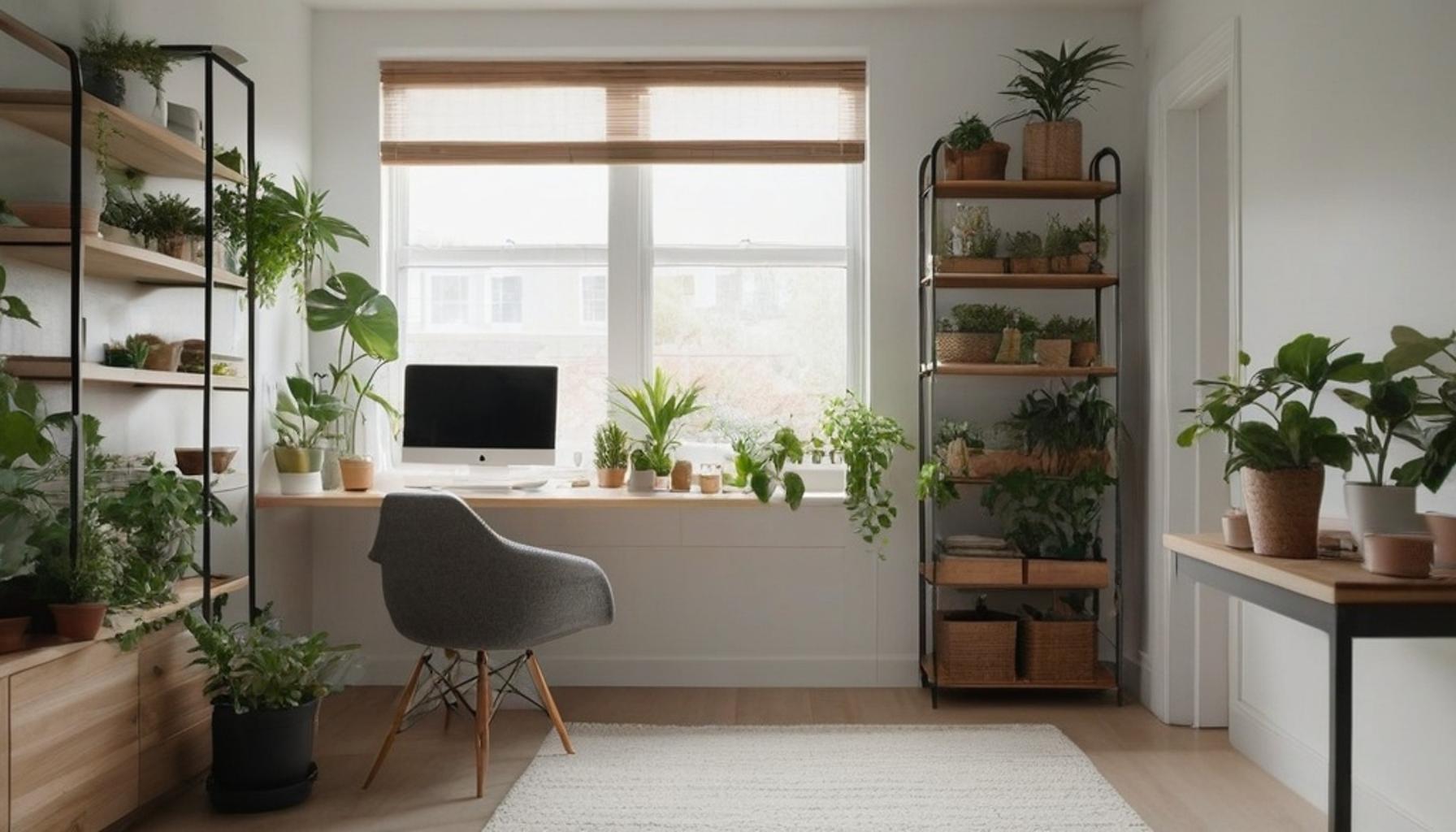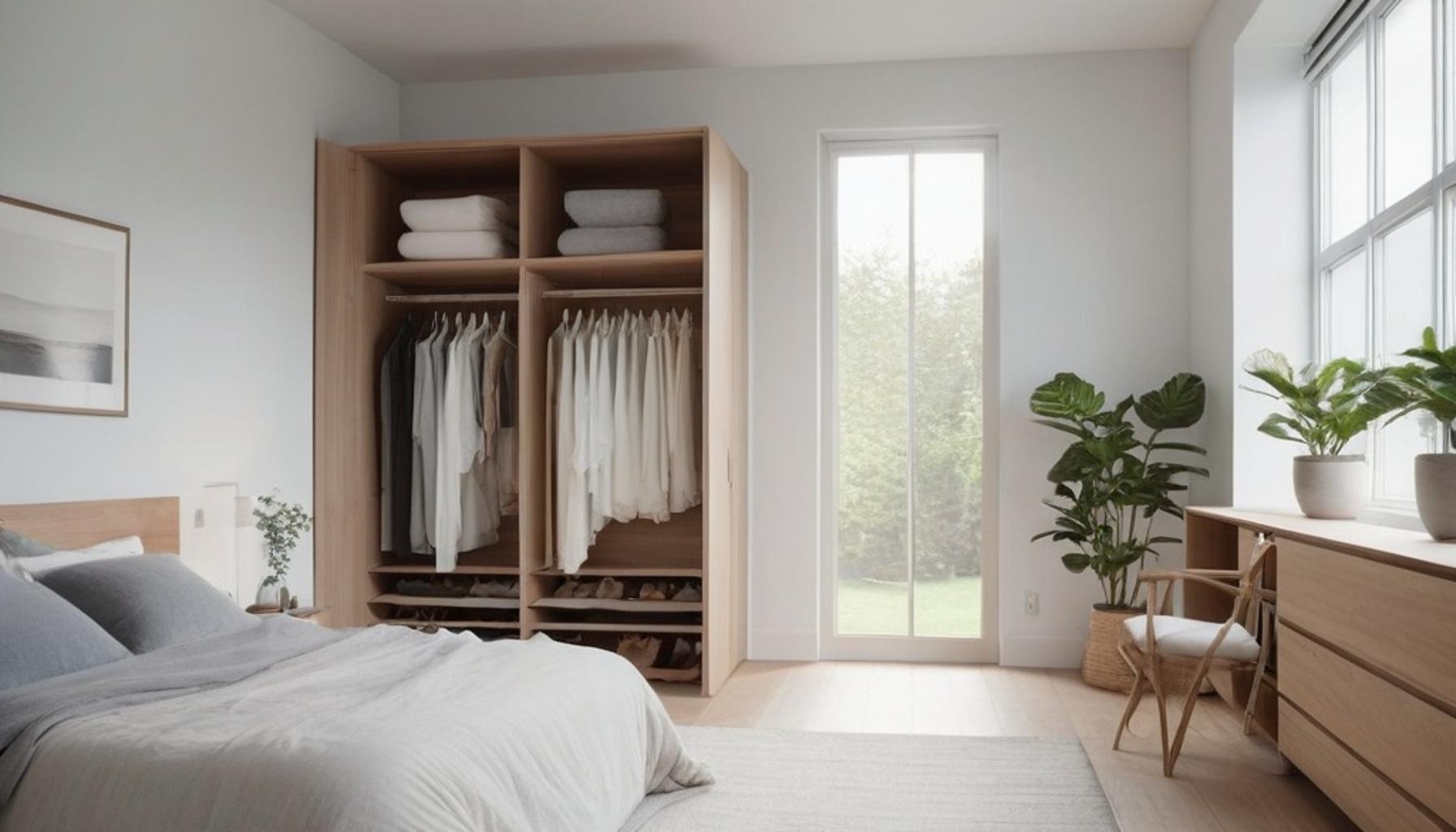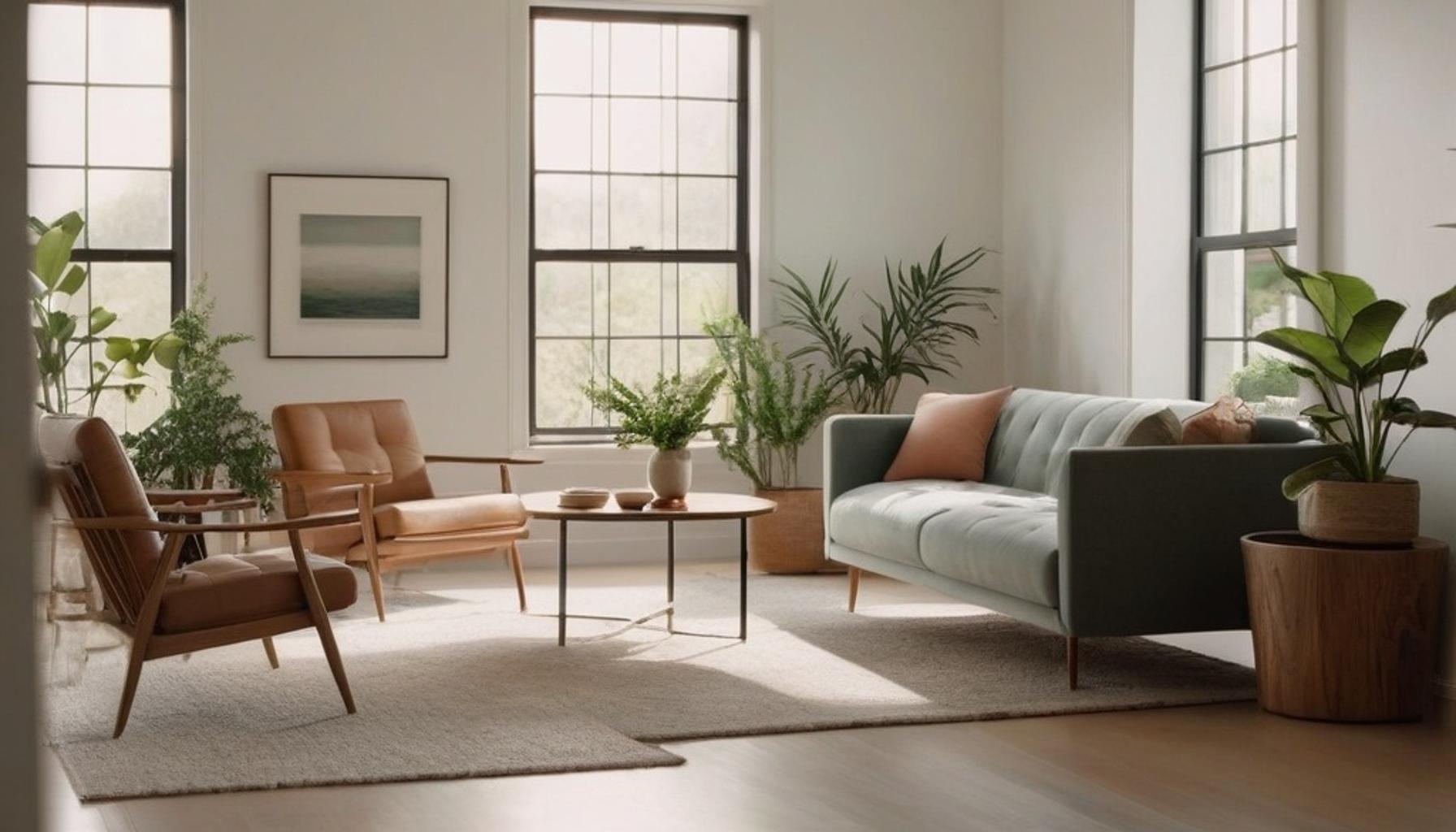
The Art of Decluttering: Minimalist Strategies for an Organized Home
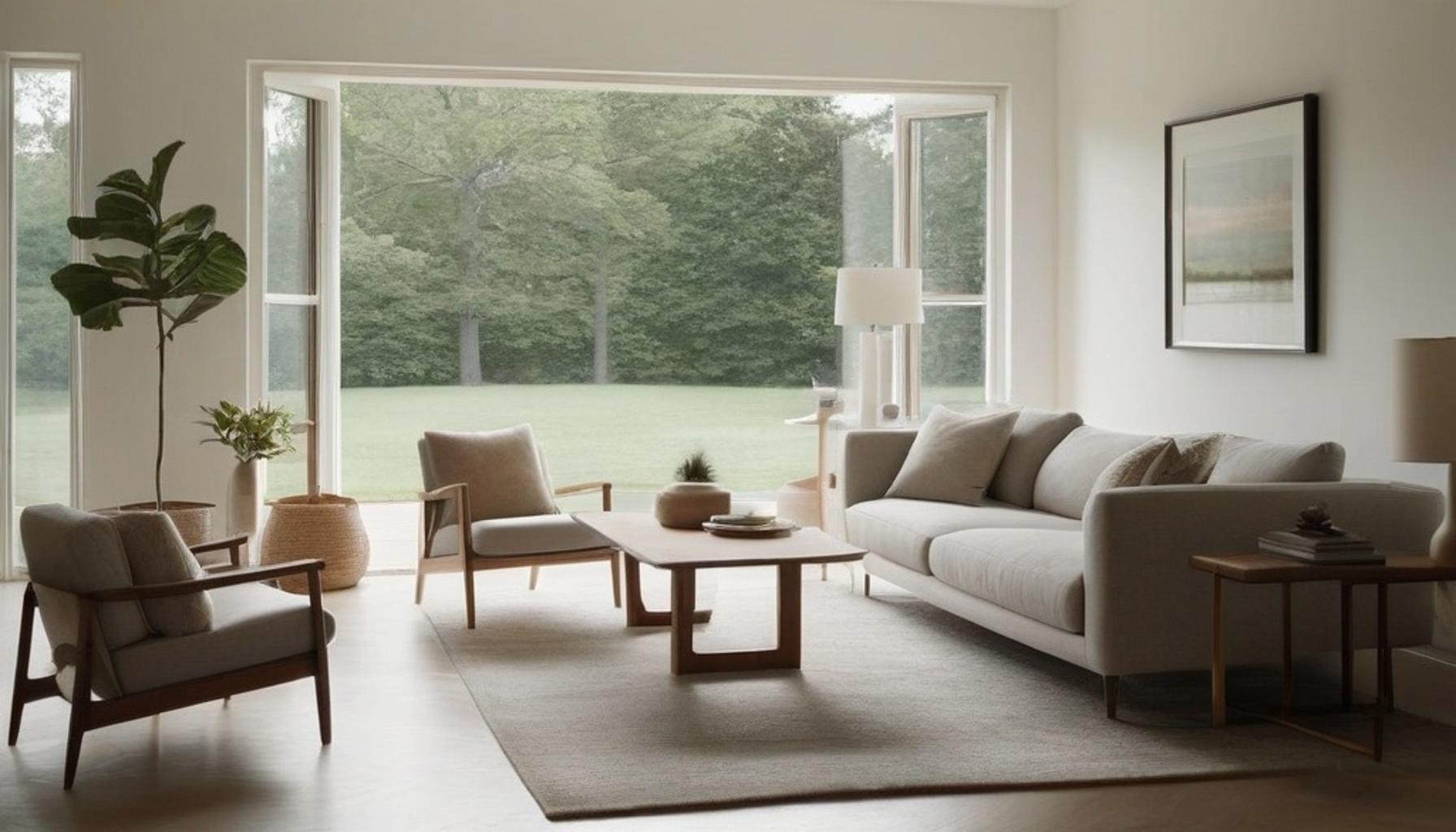
Why Your Home Feels Chaotic (And How to Fix It)
The average American household contains over 300,000 items, according to the LA Times. That statistic alone explains why so many families feel overwhelmed the moment they walk through their front door. In the hustle and bustle of modern life, it becomes increasingly challenging to manage not just our time but our belongings as well. Consequently, homes often transform into chaotic arenas filled with items that no longer serve a purpose, leading to frustration and confusion.
Clutter isn’t just a visual nuisance; it can have real repercussions for your mental and physical well-being. Studies from Princeton University reveal that disorganized spaces actively reduce focus and increase cortisol levels, the stress hormone linked to anxiety. A cluttered environment can hinder concentration, making it difficult to perform everyday tasks, whether you are working from home or simply trying to relax in your sanctuary. Over time, this can lead to chronic stress and a feeling of being trapped by your own possessions.
The Minimalist Movement Gains Momentum
Across the country, homeowners are turning to decluttering strategies that extend beyond simple tidying. This shift toward minimalist home organization isn’t a passing trend—it’s a lifestyle response to consumer overload. Many are recognizing the need to escape the clutter trap and embrace a more simplified existence. Various influencers and authors, such as Marie Kondo and Joshua Becker, have popularized minimalism, promoting not just decluttering but also a deeper understanding of what you truly value in your life.
Consider what effective decluttering can achieve:
- Reduced decision fatigue from fewer possessions to manage daily; with fewer choices, you spend less mental energy deciding what to wear, eat, or use.
- More usable square footage, even in compact city apartments; optimizing your space means you can enjoy a more functional and inviting atmosphere.
- Lower cleaning time, often cut by nearly half according to organizing professionals; with fewer items to clean around, maintaining a tidy home becomes notably easier.
- Improved mental clarity linked directly to visual simplicity; a serene space promotes a sense of peace and enhances productivity.
What This Guide Will Cover
Learning how to declutter effectively requires more than trendy storage bins. It demands a strategic approach tailored to real-life circumstances, whether you’re managing a family of five or living in a downtown studio. Understanding your unique challenges and developing a personalized plan can lead to meaningful change.
This article breaks down practical decluttering tips for families, proven methods for organizing small spaces, and the surprising benefits of minimalism backed by research. You’ll discover room-by-room strategies designed to create lasting order, not just a temporary clean sweep. By focusing on actionable steps and relatable techniques, you can take control of your space and reclaim your peace of mind. Whether it’s a closet overflowing with barely used items or a kitchen crowded with gadgets collecting dust, there’s always a way to bring back harmony to your home environment.
DISCOVER MORE: Click here for tips on organizing your kitchen
# The Art of Decluttering: Minimalist Strategies for an Organized Home
Starting Small: The Foundation of Effective Decluttering Strategies
Before you rent a dumpster or haul boxes to the nearest donation center, pause. The most successful decluttering strategies don’t begin with dramatic purges—they begin with a single drawer, shelf, or corner. Professional organizers consistently report that homeowners who start small are far more likely to sustain their progress than those who attempt a whole-house overhaul in one weekend.
This “micro-decluttering” approach works because it sidesteps the overwhelm that causes so many organizing projects to stall halfway through. According to the National Association of Productivity and Organizing Professionals (NAPO), clients who tackle small zones first are up to 70% more likely to maintain organized spaces six months later compared to those who attempt everything at once.
The 15-Minute Rule
One of the most practical decluttering tips for families juggling packed schedules is the 15-minute rule. Set a timer, pick one zone—a junk drawer, a bathroom cabinet, the top of the refrigerator—and commit to working until the timer stops. No exceptions, no marathon sessions.
This method matters for a specific reason: it removes the psychological barrier of “I don’t have time to declutter my whole house.” You don’t need hours. You need consistency. Fifteen minutes a day adds up to nearly 91 hours over the course of a year, enough to transform an entire home room by room.
The Four-Box Method
Once you understand how to declutter effectively, the next step is sorting with intention. The four-box method remains one of the most reliable systems used by professional organizers nationwide. As you work through a space, label four boxes or bins:
- Keep — items used regularly or held for genuine sentimental value.
- Donate — usable items that no longer serve your household but could benefit someone else.
- Trash — broken, expired, or unusable items with no remaining value.
- Relocate — belongings that are fine but simply live in the wrong room.
This system forces immediate decisions rather than allowing items to be shuffled into a vague “maybe” pile, which often becomes clutter’s biggest enabler. Sentimental items, in particular, tend to accumulate in these “maybe” zones—old greeting cards, childhood toys, or gifts you never use but feel guilty discarding.
For organizing small spaces like studio apartments or compact city condos, this method is especially valuable. With less square footage to work with, every item must justify its place, and the four-box approach makes that evaluation faster and less emotionally taxing.
Whether you live alone or share your home with a spouse and three kids, these foundational techniques set the stage for lasting change—proof that minimalist home organization isn’t about perfection, but about building small, repeatable habits that compound over time.
DISCOVER: Click here for a clutter-free kitchen tips
Room-by-Room Decluttering Strategies That Actually Stick
Once the small wins start piling up, the next phase of effective decluttering strategies involves moving methodically through each room rather than jumping erratically from the garage to the closet to the kitchen junk drawer. Professional organizers call this “zone mapping”—breaking your home into distinct areas and tackling them in a logical sequence.
Research from the University of California, Los Angeles found that cluttered homes are directly linked to elevated stress hormone levels, particularly in women who described their homes as disorganized. That data point alone explains why so many Americans are searching for practical, science-backed ways to reclaim their living spaces.
The Kitchen: Where Clutter Multiplies Fastest
Kitchens accumulate clutter faster than almost any other room, thanks to junk mail, duplicate gadgets, and expired pantry items. Start with these steps:
- Empty one cabinet completely and only return items used within the past six months.
- Toss expired spices and condiments—most lose potency after 12 months anyway.
- Consolidate duplicate tools; you likely don’t need three spatulas or two garlic presses.
This approach demonstrates how to declutter effectively without requiring an entire weekend—most kitchen zones can be reset in under an hour.
Closets and the 80/20 Wardrobe Rule
Clothing closets are notorious clutter zones, and data backs this up: various consumer studies suggest the average American wears just 20% of their wardrobe 80% of the time. The remaining garments sit idle, taking up valuable space.
Try the hanger-reversal trick: turn every hanger backward at the start of the season. As you wear an item, return the hanger the correct way. After three months, anything still reversed is a strong donation candidate.
Digital Clutter: The Overlooked Frontier
Minimalism isn’t limited to physical belongings. Overflowing inboxes, disorganized photo libraries, and forgotten subscription services quietly drain time and mental energy. Unsubscribing from unused streaming services or digital newsletters mirrors the same psychological relief tied to the benefits of minimalism in physical spaces.
Decluttering Tips for Families with Kids
Households with children face a unique challenge: constant inflow of toys, school papers, and outgrown clothing. A rotating toy system—storing half the toys in bins and swapping them monthly—reduces visual clutter while keeping play areas fresh.
For organizing small spaces shared by multiple family members, vertical storage solutions like wall-mounted shelving or stackable bins maximize square footage without requiring a larger home. These targeted, room-specific strategies prove that minimalist home organization is less about owning less for its own sake, and more about creating intentional systems that fit real, everyday American life.
Bringing It All Together: A Home That Works for You
The journey through effective decluttering strategies reveals something surprising: this practice was never really about minimalism as an aesthetic trend. It’s about function, mental clarity, and reclaiming time that would otherwise be spent searching for misplaced keys or wrestling with an overstuffed closet.
From kitchen cabinets to digital inboxes, the common thread running through every method discussed is intentionality. Minimalist home organization isn’t about achieving a sparse, magazine-worthy space—it’s about creating systems that reduce daily friction and support the way people actually live.
Small Systems, Lasting Impact
Consider how a single hanger-reversal trick exposed unused wardrobe items, or how a rotating toy bin transformed chaotic playrooms into manageable spaces. These aren’t drastic overhauls; they’re small, sustainable systems that compound over time.
This is precisely why understanding how to declutter effectively matters more than simply purging belongings in one exhausting weekend. Lasting change comes from repeatable habits, not one-time efforts that quietly unravel within a few months.
Looking Beyond the Physical Space
The benefits of minimalism extend into areas many overlook: reduced stress hormones, better sleep quality, and even improved focus during work-from-home hours. Considering that clutter has measurable ties to cortisol levels, organizing a home is arguably a wellness investment as much as a practical one.
For households juggling careers, school schedules, and shared living areas, practical decluttering tips for families and smart organizing small spaces solutions prove that square footage matters less than structure.
Ultimately, an organized home isn’t a finished project—it’s an ongoing relationship with the things people choose to keep. Start small, stay consistent, and let each decluttered space create room for what truly matters.
Frequently Asked Questions
What are some effective decluttering strategies for a small living space?
For small living spaces, prioritize multifunctional furniture and vertical storage solutions. Consider adopting the ‘one in, one out’ rule to maintain balance and prevent accumulation. Additionally, regularly assess your belongings and only keep items that serve a purpose or bring you joy.
How can I stay motivated during the decluttering process?
To stay motivated, set small, achievable goals and celebrate your progress along the way. Create a decluttering schedule and stick to it, making the process feel less overwhelming. You can also invite a friend to join you for accountability and support.
Are there specific decluttering strategies for sentimental items?
When dealing with sentimental items, try to limit yourself to a designated memory box or container. Evaluate the emotional value of each item and consider taking photos of them to preserve memories without retaining physical clutter. This can ease the emotional burden while still honoring your past.
What is the ‘KonMari’ method and how does it relate to decluttering strategies?
The ‘KonMari’ method, developed by Marie Kondo, encourages individuals to declutter by category rather than location, focusing on items that ‘spark joy.’ This approach helps you assess your belongings more thoughtfully and prioritize what truly matters, making it a popular and effective decluttering strategy.
How do I maintain organization after implementing decluttering strategies?
To maintain organization, establish a routine for evaluating your possessions regularly, such as every six months. Implement clear storage systems and designate a place for every item. Additionally, practice mindfulness when acquiring new items to ensure they fit your chosen minimalist lifestyle.
What are some practical decluttering strategies for busy families?
Busy families can adopt the ’15-minute declutter’ technique, where everyone takes short, focused bursts to declutter specific areas. Involve the whole family by making it a fun activity, like a game. Additionally, create a family donation box that everyone can contribute to throughout the month to encourage continual decluttering.

Beatriz
Beatriz Johnson is a seasoned minimalist and writer with a passion for simplifying the complexities of personal organization and intentional living. With over a decade of experience in decluttering strategies and mindful consumption, she specializes in topics like space optimization, habit simplification, and sustainable lifestyle choices. Through her work on our website, Beatriz empowers readers to embrace minimalism, reduce mental and physical clutter, and create more meaningful, organized lives in today's fast-paced world.