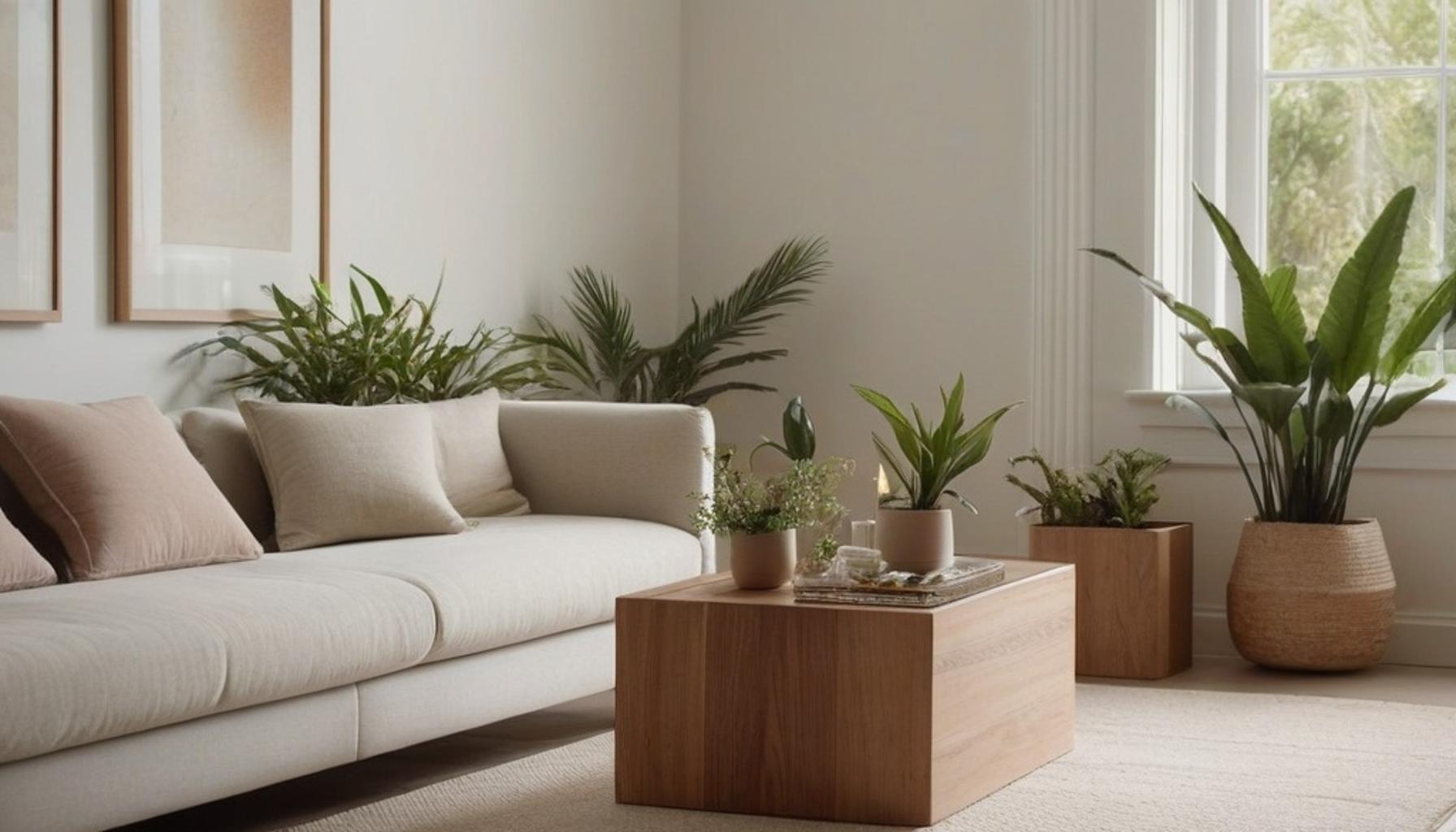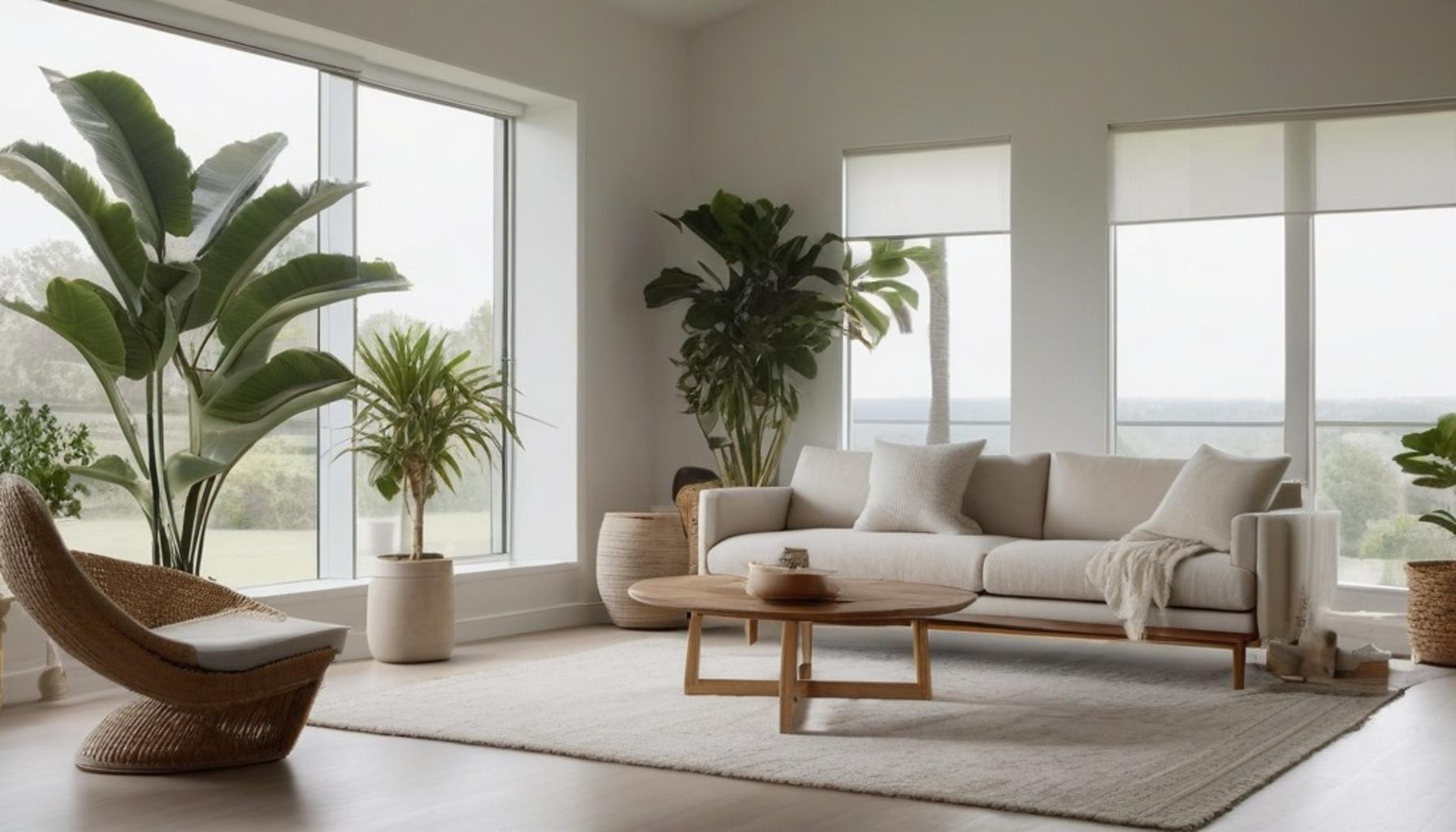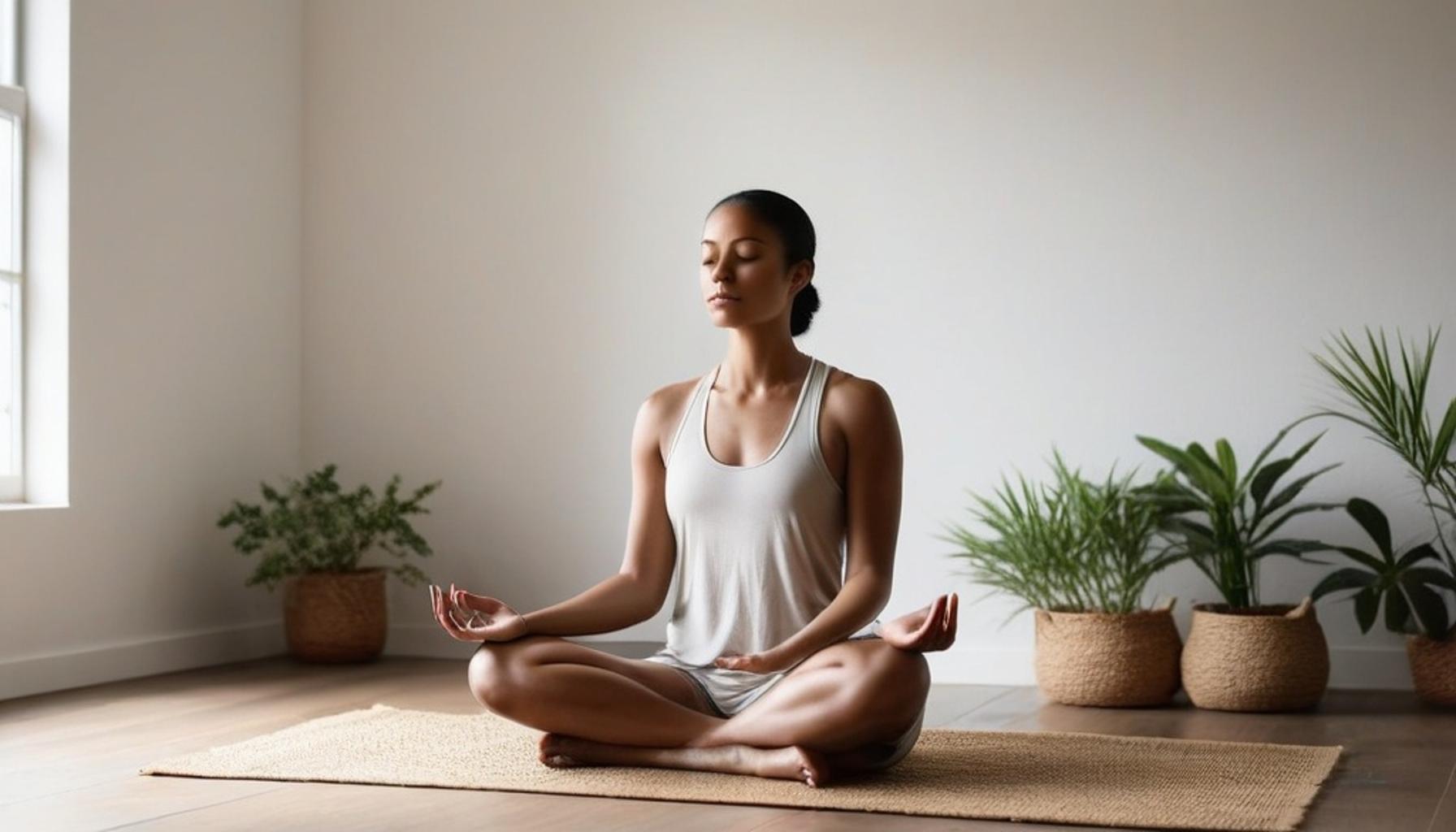
A Mindful Approach to Minimalism: Creating a Clutter-Free Home
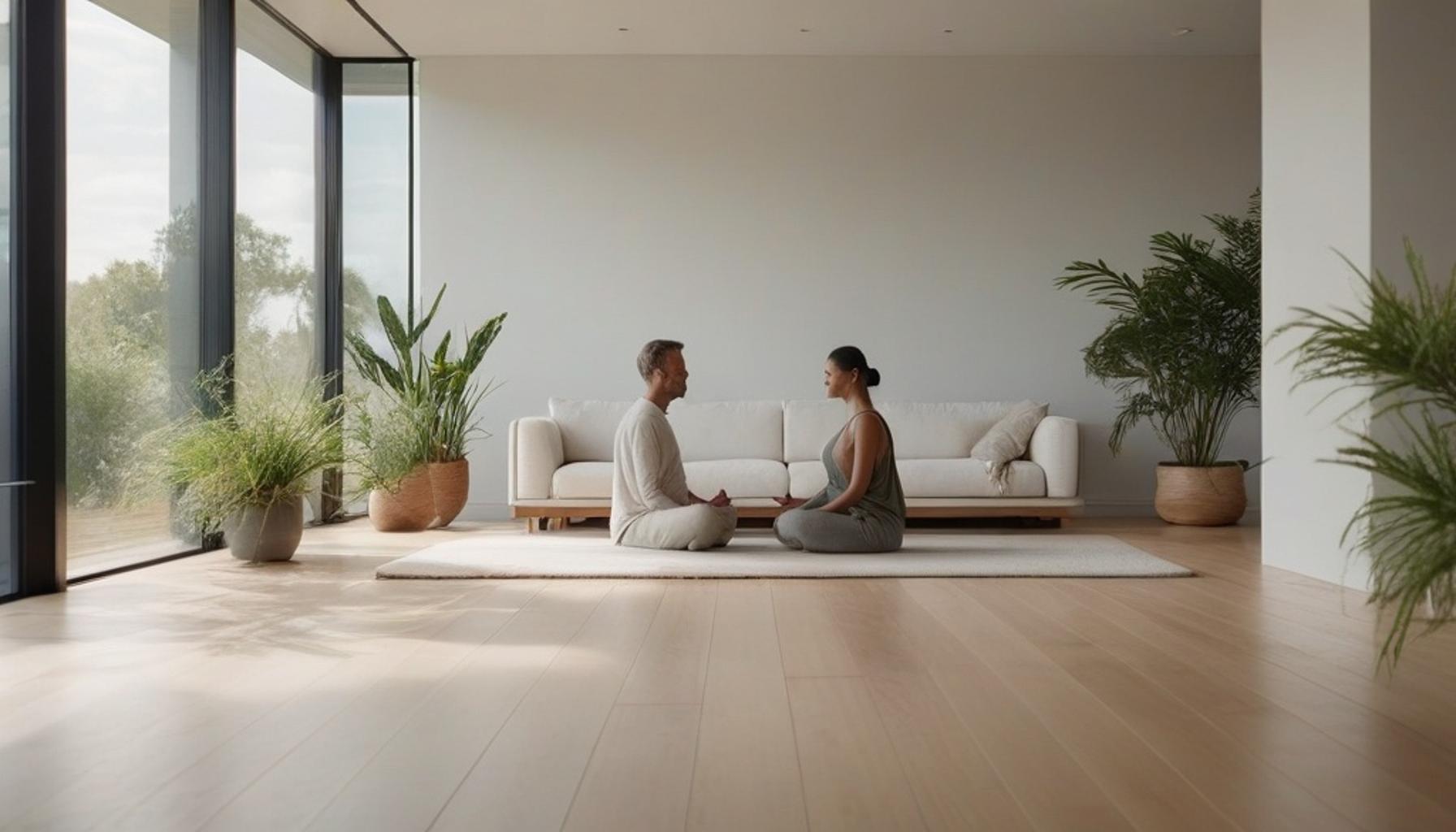
Why Clutter Is Costing You More Than Just Space
Statistics indicate that the average American household contains more than 300,000 items, a figure derived from an analysis by the LA Times. This staggering number demonstrates how deeply embedded clutter has become in daily life. Alarmingly, around 10 percent of families even find it necessary to rent additional storage units to keep up with their overflow, reflecting an alarming trend where people are resorting to external storage solutions rather than addressing the clutter in their homes.
Transitioning to a more organized lifestyle often leads individuals to consider the philosophy of mindful minimalism. This approach does not advocate for the idea of owning as little as possible; rather, it encourages people to focus on keeping things that truly enhance their lives. Embracing this mindset signifies a shift from mere accumulation to thoughtful ownership, allowing for more intentional living.
What This Approach Really Means
Unlike extreme decluttering trends that recommend dramatically downsizing to only a few essentials, mindful minimalism requests a more measured approach. It combines the principles of mindfulness with decluttering to create a sustainable method for organizing one’s life and possessions. One pivotal question underpins this approach: does this add value? This consideration prompts deeper insights into consumer habits and encourages choices that genuinely reflect personal values and needs.
Incorporating elements of a clutter-free home generally encompasses:
- Intentional storage systems that promote easy accessibility, contrasting sharply with the haunting image of overflowing closets.
- A “one in, one out” rule for new purchases, helping to maintain balance and prevent unnecessary accumulation.
- Designated spots for every item, allowing for a systematic organization that fosters tranquility and efficiency.
- Digital decluttering alongside physical space, ensuring that virtual clutter is also addressed in our increasingly digital lives.
The benefits of minimalism extend beyond mere aesthetics. Research from UCLA’s Center on Everyday Lives and Families has linked cluttered environments to elevated cortisol levels, particularly among women, illuminating the relationship between our environment and mental well-being.
So, how can you embark on this journey towards a clutter-free oasis? The following guide outlines practical clutter-free home tips and delves into effective strategies on how to organize your home—examining each room and establishing positive habits—without succumbing to the usual overwhelm that often thwarts good intentions. By taking deliberate steps, you can transform your living space into one that promotes clarity, peace, and joy.
DISCOVER MORE: Click here to unlock a clutter-free kitchen
The Psychology Behind Mindful Minimalism
Before diving into clutter-free home tips, it helps to understand why clutter accumulates in the first place. Behavioral researchers point to what’s known as the “endowment effect,” a cognitive bias that causes people to overvalue items simply because they own them. This explains why that unused kitchen gadget from three years ago still feels too important to toss.
Retail therapy culture in the United States compounds this issue significantly. According to a 2022 report by Slickdeals, the average American makes roughly upward of 200 purchases annually, many of which are impulse buys rather than planned acquisitions. Each item, however small, eventually needs a home—and when there isn’t one, clutter begins to spread.
How Mindfulness Changes Consumer Behavior
Practicing mindfulness and decluttering together means pausing before every purchase and every discard decision. This isn’t about restriction; it’s about awareness. When shoppers slow down and ask themselves whether an item serves a genuine purpose, they naturally buy less and appreciate more.
This deliberate pause has measurable effects. A study published in the Journal of Consumer Psychology found that individuals who practiced mindful purchasing reported 23 percent higher satisfaction with their belongings compared to impulse buyers. Satisfaction, in this context, translates directly into fewer regretted purchases and less accumulated clutter.
Adopting a minimalist lifestyle rooted in mindfulness typically involves recognizing a few common triggers:
- Emotional spending, where purchases serve as temporary mood boosters rather than fulfilling actual needs.
- Sale-driven urgency, the fear of missing a discount that leads to unnecessary acquisitions.
- Sentimental attachment, where items are kept out of guilt or nostalgia rather than usefulness.
- Aspirational buying, purchasing for a lifestyle or hobby that hasn’t yet materialized.
Recognizing these patterns is the first real step in understanding how to organize your home sustainably, rather than relying on periodic purging that rarely addresses root causes. Once these triggers are identified, the process of decluttering becomes less about willpower and more about awareness—a subtle but crucial distinction that separates lasting change from temporary fixes.
DISCOVER: Click here to simplify your kitchen
Practical Strategies for a Clutter-Free Home
Understanding the psychology behind clutter is only half the equation. The other half involves translating that awareness into clutter-free home tips that actually stick. Professional organizers across the country have noticed a shift: clients no longer want quick fixes, they want systems rooted in mindful minimalism that hold up months, even years, later.
The Room-by-Room Method
Rather than attempting to declutter an entire house in a weekend—a recipe for burnout—experts recommend tackling one room at a time. This slower pace allows for genuine reflection rather than rushed decision-making.
A popular framework gaining traction on platforms like TikTok and Instagram is the “one-in, one-out” rule: for every new item brought into the home, one existing item must leave. This simple constraint forces continuous evaluation rather than allowing possessions to pile up unchecked.
Consider these approaches when organizing by category:
- Clothing: If an item hasn’t been worn in 12 months, it likely doesn’t serve your current lifestyle.
- Kitchenware: Duplicate tools, like three sets of measuring cups, rarely add value beyond the first set.
- Paperwork: Digitizing receipts and documents can eliminate entire filing cabinets of physical clutter.
- Sentimental items: Photographing keepsakes before letting go preserves memory without requiring physical storage.
The Financial and Mental Payoff
The benefits of minimalism extend well beyond tidier closets. A 2023 survey conducted by the National Association of Productivity and Organizing Professionals found that 78 percent of respondents who decluttered their homes reported reduced daily stress. Nearly half noted improved sleep quality, likely tied to a calmer bedroom environment.
There’s also a financial angle worth mentioning. Households practicing a minimalist lifestyle often report spending significantly less on non-essential goods, redirecting funds toward experiences, savings, or debt repayment instead. Some minimalist bloggers have documented saving upward of $5,000 annually simply by curbing impulse purchases.
Building Systems, Not Just Cleaning Sprees
Learning how to organize your home sustainably means creating designated spots for incoming items before they arrive. Mail gets sorted immediately. New clothing gets a specific hanger. Without a system, even the most thorough decluttering session eventually reverts to old patterns.
This is where mindfulness and decluttering intersect most powerfully. It’s not a one-time event but an ongoing relationship with belongings, one that requires periodic check-ins rather than dramatic annual overhauls.
Embracing a Lasting, Mindful Minimalism
Creating a clutter-free home isn’t about achieving some pristine, magazine-worthy space overnight. It’s about recognizing that every object in a home carries weight, whether emotional, financial, or mental, and choosing deliberately what deserves that space.
Across the country, homeowners are discovering that mindful minimalism isn’t a rigid rulebook but a flexible practice. Some households thrive on strict one-in, one-out policies. Others simply commit to a seasonal review of closets and drawers. What matters most is consistency, not perfection.
Looking Beyond the Physical Space
The data speaks clearly: reduced stress, better sleep, and healthier spending habits all trace back to intentional living. Yet the ripple effects often extend further, into relationships, focus, and even how people spend their free time once they’re no longer managing excess belongings.
Adopting a minimalist lifestyle doesn’t mean living with bare walls or a single fork in the kitchen drawer. It means asking better questions before acquiring, keeping, or discarding anything. That shift in mindset is often more transformative than the physical decluttering itself.
Where to Go From Here
For anyone unsure where to begin, starting small remains the most reliable path. A single drawer. One shelf. A junk email inbox. These modest wins build momentum toward larger changes.
Learning how to organize your home is ultimately less about containers and labels and more about understanding personal habits and triggers. The benefits of minimalism reveal themselves gradually, often surprising even skeptics who initially resisted the idea.
As more Americans reconsider their relationship with consumption, mindfulness and decluttering will likely continue gaining ground, not as a passing trend, but as a practical response to lives that feel increasingly overloaded. The homes that emerge from this shift may look different for everyone, but the underlying goal remains the same: space that supports clarity rather than chaos.
Frequently Asked Questions
What is mindful minimalism and how does it differ from traditional minimalism?
Mindful minimalism emphasizes intentionality in our possessions and environment, focusing on what truly brings joy and adds value to our lives. Unlike traditional minimalism, which often prioritizes reducing possessions to a numerical limit, mindful minimalism encourages a thoughtful process of decluttering, urging individuals to consider the emotional and psychological impact of their belongings.
How can I start practicing mindful minimalism in my home?
Begin by assessing each room and identifying items that no longer serve a purpose or bring you happiness. Use a mindful approach by asking yourself if each item truly enhances your space or if it was simply acquired out of habit or obligation. Gradually declutter, focusing on one area at a time and ensuring that what remains aligns with your values and lifestyle.
What are some strategies for maintaining a clutter-free home with mindful minimalism?
To maintain a clutter-free home, adopt the ‘one in, one out’ rule, ensuring that for every new item you bring in, you remove an existing one. Regularly schedule decluttering sessions, and stay mindful of new purchases by considering their necessity and emotional value. Additionally, create designated spaces for your belongings to encourage organization and prevent accumulation.
Can mindful minimalism improve mental well-being?
Yes, practicing mindful minimalism can significantly enhance mental well-being by reducing stress and anxiety that often arises from clutter. A clean, orderly environment promotes a sense of calm and focus, allowing individuals to feel more in control of their surroundings. By surrounding ourselves only with items we truly value, we can cultivate a more positive and peaceful mindset.
How can I involve my family in my mindful minimalism journey?
Involving family in your mindful minimalism journey starts with open conversations about the benefits of decluttering and creating a serene living space. Encourage everyone to share their thoughts on which items are meaningful to them and how they envision a clutter-free home. Make decluttering a fun family activity by setting goals together and celebrating progress, fostering a collaborative and supportive environment.

Beatriz
Beatriz Johnson is a seasoned minimalist and writer with a passion for simplifying the complexities of personal organization and intentional living. With over a decade of experience in decluttering strategies and mindful consumption, she specializes in topics like space optimization, habit simplification, and sustainable lifestyle choices. Through her work on our website, Beatriz empowers readers to embrace minimalism, reduce mental and physical clutter, and create more meaningful, organized lives in today's fast-paced world.