Functional Design: How Multifunctional Furniture Enhances Space Optimization in Tiny Homes
The Rise of Multifunctional Living
The tiny home movement has rapidly gained traction across the United States, evolving into a $5.8 billion industry. Today, countless individuals are choosing to embrace minimalist lifestyles, favoring homes that encompass less than 400 square feet. While the concept of downsizing can evoke thoughts of sacrificing comfort and luxury, the reality is quite different. Living in smaller spaces often includes innovative solutions that enhance both comfort and functionality.
At the heart of this transformation is multifunctional furniture. These ingeniously designed pieces are crafted to maximize utility in compact areas, enabling homeowners to enjoy their living spaces fully without the clutter. Think about how a generic sofa can transform into a bed for guests or how a coffee table can fold up when not in use. These innovations play a crucial role in redefining what it means to live effectively in a small home.
Understanding the Importance of Space Optimization Furniture
In a tiny home, every square inch is vital. The living room may double as an office, and the bedroom can serve as additional storage. This is where functional furniture solutions come into play, ingeniously transforming restricted areas into efficient, livable environments that meet diverse needs.
Take a look at some innovative examples that illustrate the potential of small-space living:
- Murphy beds: These beds cleverly fold into cabinetry, freeing up to 50 square feet during daytime hours, effectively converting a bedroom into a functional living space.
- Storage ottomans: Not only do these serve as stylish seating and coffee tables, but they also hide away your belongings, helping maintain a tidy environment.
- Expandable dining tables: These tables can transition from a compact console when not in use to a full dining table that comfortably seats family and friends during meals.
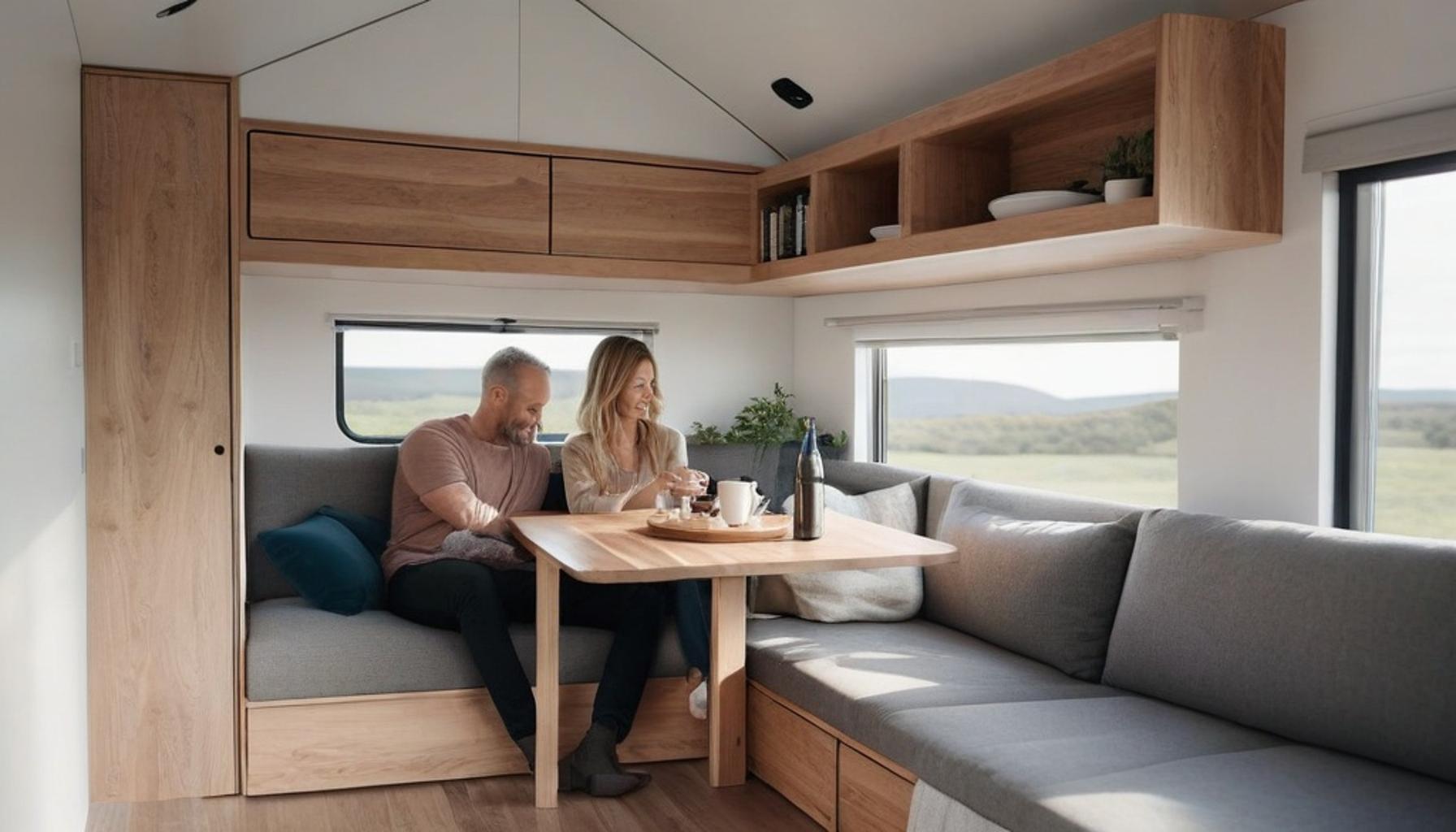
- Modular sofas: With built-in storage drawers cleverly placed beneath the cushions, these sofas provide both comfort and practicality, eliminating the need for separate storage furniture.
These pieces are not just whimsical inventions—they tackle real-world housing challenges by offering compact homes that don’t skimp on function or style. This newfound emphasis on versatility allows homeowners to use their spaces more wisely and creatively.
What This Article Will Explore
This comprehensive guide will delve into how versatile furniture for tiny homes is transforming living spaces and lifestyles for homeowners nationwide. We will dissect specific product categories, explore real-world applications, and discuss cost considerations associated with these functional solutions.
Moreover, readers can expect to discover practical small space living tips designed to assist them in maximizing their limited square footage without compromising elegance or comfort. Together, we will uncover how the tiny home trend, paired with the power of multifunctional furniture, is redefining the American dream of homeownership.
DISCOVER MORE: Click here for inspiration on a clutter-free kitchen
The Engineering Behind Space-Saving Innovation
Behind every clever piece of multifunctional furniture lies a surprising amount of engineering. Designers and manufacturers work closely with architects to ensure that each item meets rigorous standards for durability, safety, and ease of use. This isn’t simply furniture with a gimmick—it’s a calculated response to a housing crisis that has pushed many Americans toward smaller, more affordable living arrangements.
According to the American Tiny House Association, the average tiny home measures just 225 square feet, compared to the traditional American home, which averages around 2,300 square feet. This drastic reduction in space demands a complete rethink of how furniture is designed, built, and used daily.
Key Design Principles Driving Tiny Home Design
Several core principles guide manufacturers as they develop space optimization furniture for compact living. Understanding these principles helps homeowners make smarter purchasing decisions.
- Vertical thinking: Instead of expanding outward, furniture designers focus on utilizing wall space and ceiling height, incorporating loft beds, wall-mounted desks, and hanging storage systems.
- Dual-purpose functionality: Every piece should serve at least two functions. A staircase, for instance, can double as a bookshelf or drawer system, adding storage without consuming additional floor space.
- Lightweight materials: Many pieces use engineered wood, aluminum, or high-density foam to reduce weight while maintaining structural integrity, particularly important for homes on wheels.
- Foldability and portability: Furniture that collapses flat or folds away entirely allows homeowners to reclaim significant square footage whenever needed.
These principles aren’t just theoretical. Companies like Resource Furniture and Clei have built entire business models around transforming small apartments and tiny homes into fully functional living spaces, often incorporating beds, desks, and storage into a single wall unit.
Real Numbers, Real Impact
The financial appeal is undeniable. Homeowners who invest in functional furniture solutions often report saving thousands of dollars by avoiding the need for separate storage units or larger homes. A single transforming wall bed system, for example, can cost between $2,000 and $8,000—a fraction of the cost required to add an extra room.
Beyond cost savings, the psychological benefits are equally significant. Studies on small-space living suggest that organized, clutter-free environments contribute to reduced stress and improved mental clarity, reinforcing why versatile furniture for tiny homes has become such a sought-after investment nationwide.
| Category | Key Features & Benefits |
|---|---|
| Versatility | Multifunctional furniture offers incredible versatility, allowing homeowners to maximize small spaces without sacrificing style or comfort. |
| Space Saving Solutions | Incorporating space optimization furniture can transform a tiny home, utilizing hidden storage and convertible designs to create more functional areas. |
| Adaptability | Functional furniture solutions can easily adapt to different needs, such as a dining table that doubles as a workspace, enhancing the living experience. |
| Aesthetic Appeal | Stylish design ensures that versatile furniture for tiny homes not only meets practical requirements but also enhances visual appeal, making small spaces feel more inviting. |
DISCOVER: Click here for clever kitchen organization tips
From Murphy Beds to Modular Kitchens: Innovations Reshaping Small Space Living
Walk into any tiny home showcased at events like the Tiny House Jamboree, and you’ll notice a pattern: nearly every surface serves double duty. This isn’t accidental. It’s the result of a growing industry dedicated to tiny home design that prioritizes adaptability over excess.
Modern manufacturers have moved far beyond the classic Murphy bed. Today’s innovations include hydraulic-lift coffee tables that convert into dining surfaces, kitchen islands with built-in seating that folds flush against cabinetry, and modular sofas that reconfigure into guest beds within seconds.
The Kitchen: Ground Zero for Multifunctional Furniture
Kitchens present some of the toughest challenges in compact living, which is why they’ve become a hotbed for space optimization furniture innovation.
- Fold-down countertops: Many tiny homes feature countertops that extend outward when needed and retract flat against the wall afterward, freeing up walking space.
- Combination appliances: Units that merge a stovetop, sink, and cutting board into a single footprint have become increasingly popular, with brands like IKEA and Kohler introducing compact-friendly lines.
- Pull-out pantry systems: Slim vertical cabinets that slide out to reveal full storage shelving maximize otherwise wasted gaps between appliances.
These solutions reflect a broader shift in consumer expectations. A 2023 survey by the National Association of Home Builders found that nearly 60% of buyers under 35 consider flexible, multi-use spaces a top priority when evaluating a home purchase.
Bedrooms That Disappear During the Day
Sleeping quarters in tiny homes often vanish entirely once morning arrives. Wall-mounted beds that fold up into cabinetry, or loft beds positioned above living areas, allow the same square footage to function as a bedroom at night and a living room by day.
Some homeowners take this further, incorporating versatile furniture for tiny homes like ottomans that unfold into twin mattresses or benches with hidden drawers deep enough to store bedding and linens.
Practical Small Space Living Tips from Industry Experts
Designers who specialize in compact housing often emphasize a few actionable strategies for homeowners considering similar upgrades.
- Measure clearance space before purchasing foldable or sliding furniture to avoid collision with doors or fixtures.
- Prioritize furniture with locking mechanisms for safety, especially in homes on wheels that experience movement.
- Choose neutral, light-colored finishes to visually expand a room, complementing the functional benefits of the furniture itself.
These functional furniture solutions continue to evolve rapidly, driven by consumer demand and advances in manufacturing technology, making tiny home living more practical than it has ever been.
DISCOVER MORE: Click here for tips on a clutter-free kitchen
The Bigger Picture: Why Multifunctional Furniture Matters Beyond the Tiny Home Movement
The rise of multifunctional furniture isn’t just a niche trend for tiny home enthusiasts. It signals a broader rethinking of how Americans want to live, especially as urban housing costs push more people toward compact apartments and accessory dwelling units.
According to the U.S. Census Bureau, the average new home size has shrunk over the past decade, suggesting that space-efficient design will only become more relevant to mainstream housing markets, not just tiny homes on wheels.
What started as necessity-driven innovation has evolved into a design philosophy. Fold-away countertops, convertible sofas, and hidden storage systems prove that tiny home design principles can scale upward, influencing condos, studio apartments, and even suburban homes seeking flexible layouts.
Rethinking Space, Not Just Shrinking It
The real lesson here extends past square footage. Space optimization furniture challenges the assumption that comfort requires abundance. Instead, it asks homeowners to consider how each piece can adapt to multiple needs throughout the day.
This shift matters for buyers at every budget level, not just those choosing minimalist lifestyles by choice.
Final Thoughts for Future Tiny Homeowners
Anyone considering a tiny home should treat furniture selection as a core part of the design process, not an afterthought. Prioritizing functional furniture solutions early can prevent costly retrofits later.
For those ready to embrace versatile furniture for tiny homes, the payoff extends beyond saved space. It often translates into lower costs, reduced clutter, and homes that feel surprisingly spacious despite their modest dimensions.
As demand grows, expect manufacturers to keep pushing boundaries, blending smart technology with these small space living tips to redefine what compact living can truly offer.
Frequently Asked Questions
What types of multifunctional furniture are ideal for tiny homes?
Ideal multifunctional furniture for tiny homes includes items like sofa beds, foldable dining tables, and storage ottomans. These pieces can serve multiple purposes, such as providing seating during the day and transforming into a sleeping area at night. Additionally, modular furniture that can be rearranged according to need offers great flexibility.
How does multifunctional furniture contribute to space optimization?
Multifunctional furniture contributes to space optimization by combining several functions into single pieces, which reduces the need for additional items. For example, a coffee table with built-in storage can eliminate the need for separate storage solutions, thus freeing up both floor and visual space in tiny homes.
What are some design tips for incorporating multifunctional furniture in a tiny home?
When incorporating multifunctional furniture in a tiny home, choose pieces that complement your overall design aesthetic and maximize utility. Look for neutral colors and simple lines to create a cohesive look, and always measure your space to ensure that the furniture fits comfortably without overcrowding. Additionally, consider investing in furniture that can be easily moved or reconfigured.
Can multifunctional furniture be stylish while still functional?
Absolutely! Many designers focus on creating multifunctional furniture that doesn’t compromise style for function. Today’s market offers a variety of chic designs, from sleek modern sofas that convert into beds to elegantly designed desks that hide away when not in use, allowing you to maintain both aesthetics and functionality in a tiny space.
Are there any specific brands known for high-quality multifunctional furniture?
Yes, several brands are renowned for their high-quality multifunctional furniture. Brands like IKEA, Resource Furniture, and Muji offer innovative solutions designed specifically for small spaces, combining durability with design. They provide a range of customizable options tailored to maximizing space efficiency without sacrificing style.
How can I choose the right multifunctional furniture for my specific needs?
To choose the right multifunctional furniture, start by evaluating your lifestyle and daily activities. Consider what functions you need the furniture to serve, such as sleeping, dining, or storage, and prioritize pieces that meet those needs. Additionally, think about your space constraints and select items that can be easily adapted or reconfigured as necessary.

Beatriz
Beatriz Johnson is a seasoned minimalist and writer with a passion for simplifying the complexities of personal organization and intentional living. With over a decade of experience in decluttering strategies and mindful consumption, she specializes in topics like space optimization, habit simplification, and sustainable lifestyle choices. Through her work on our website, Beatriz empowers readers to embrace minimalism, reduce mental and physical clutter, and create more meaningful, organized lives in today's fast-paced world.