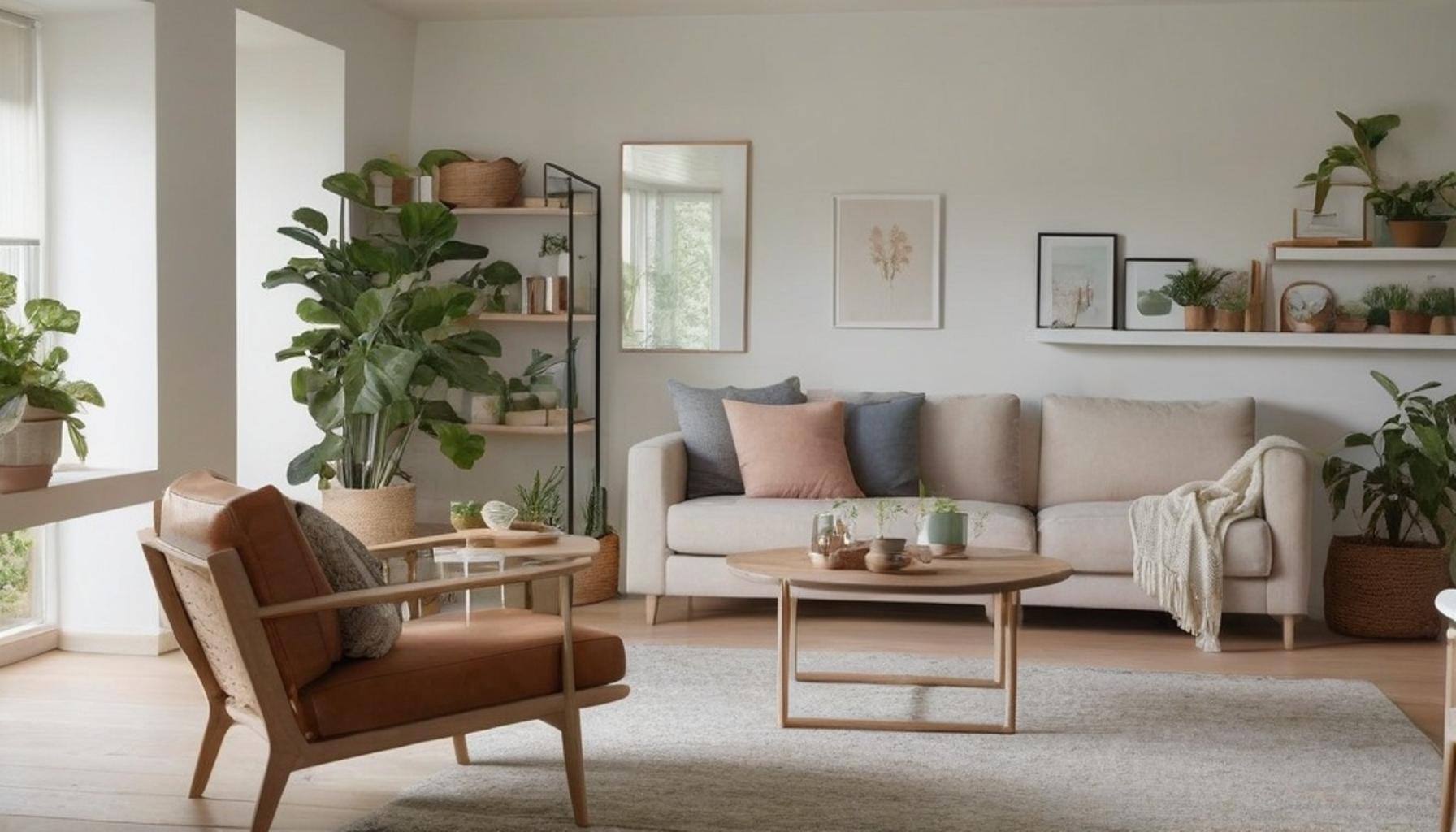
Vertical Storage Strategies: Transforming Your Home with Smart Shelving Ideas

In recent years, American homes have seen a notable decrease in average size, now hovering around 2,300 square feet. This trend stands in stark contrast to the growing amounts of clutter, spurring the need for more innovative storage solutions. This is where Vertical Storage Strategies come into play, offering a sustainable method for addressing the chaos that often accompanies smaller living spaces.
Homeowners are increasingly turning to their walls for storage rather than expanding their physical footprint. The often neglected area from waist height to the ceiling is a treasure trove of potential storage space that can transform a room’s efficiency and organization. By utilizing vertical space, which is commonly underused, homeowners can maximize their storage without needing an extensive renovation.
Why Vertical Thinking Changes Everything
As floor space becomes a precious commodity, vertical storage solutions make the most of the available area. Smart shelving options enable homeowners to utilize wall space that typically remains unutilized. Here are some practical examples:
- Kitchens: Rather than relying solely on bulky cabinets, pantry-style vertical racks can neatly organize spices, jars, and kitchen tools, offering easy access and visibility to everyday items.
- Living Rooms: Floating shelves can effectively replace oversized bookcases, making room for decor, books, and more without occupying valuable floor space.
- Bathrooms: Tiered wall units above toilets or vanities can create extra space for towels, toiletries, and decorative items, keeping the area tidy and functional.
- Garages: Installing ceiling-mounted tracks for seasonal gear frees up floor space for vehicles and other larger items, offering a seamless integration of storage and accessibility.
These innovative solutions go beyond merely enhancing aesthetic appeal; they provide practical storage solutions for small homes where maximizing every inch matters profoundly.
What This Article Covers
This guide provides a comprehensive overview of effective home organization tips tailored for various living situations including apartments, starter homes, and larger properties. Readers will discover detailed strategies for maximizing vertical space while maintaining a cohesive style throughout their home.
Expect in-depth discussions on materials, weight limits for shelving, and basic installation techniques to get started efficiently. We will also delve into an array of creative shelving designs, ranging from industrial pipe brackets to sleek, minimalist floating units, ensuring there is an option to suit every style and budget. Embark on this journey of discovery and learn how to reclaim your space and elevate your home’s organization.
DISCOVER MORE: Click here to enhance your kitchen organization
Understanding the Fundamentals of Vertical Storage Strategies
Before installing a single bracket, it helps to understand why Vertical Storage Strategies work so effectively. The concept isn’t just about hanging shelves higher; it’s about rethinking how a room’s cubic volume, not just its square footage, gets used.
Interior designers often point to the “sightline rule”: storage placed between eye level and ceiling height feels less cluttered than the same items piled on the floor. This is why smart shelving ideas succeed where traditional furniture fails—they work with the room’s natural proportions rather than against them.
The Weight-Bearing Basics You Need to Know
Anyone serious about maximizing vertical space needs a working knowledge of load capacity. Not all walls or shelving materials are created equal, and understanding this early prevents costly mistakes.
- Drywall alone: Typically supports only 10 to 20 pounds per anchor without additional reinforcement.
- Wall studs: Anchoring directly into studs can support upwards of 100 pounds per bracket, depending on the shelving material.
- Solid wood shelving: Offers superior weight distribution compared to particleboard, making it ideal for heavier items like books or kitchen appliances.
- Metal bracket systems: Often rated for 50 to 75 pounds per bracket, suitable for garages and pantries.
Homeowners searching for durable storage solutions for small homes should always check manufacturer specifications before mounting anything substantial. A quick stud-finder session can save both the shelf and whatever sits on it.
Assessing Your Space Before You Shop
Every successful shelving project begins with an honest inventory. Walk through each room and ask what’s currently sitting on the floor or crammed into closets that could instead live on a wall.
Consider these practical starting points:
- Measure wall height from baseboard to ceiling, noting outlets, switches, or windows that may interrupt shelf placement.
- Identify “dead zones,” such as the area above a doorway or beside a refrigerator, that are rarely used but easily accessible with the right bracket.
- Sort belongings by frequency of use; daily items belong at arm’s reach, while seasonal gear can go higher.
This assessment phase is where many of the best home organization tips actually take root. Skipping it often leads to shelving that looks good in photos but fails to solve the real clutter problem underneath.
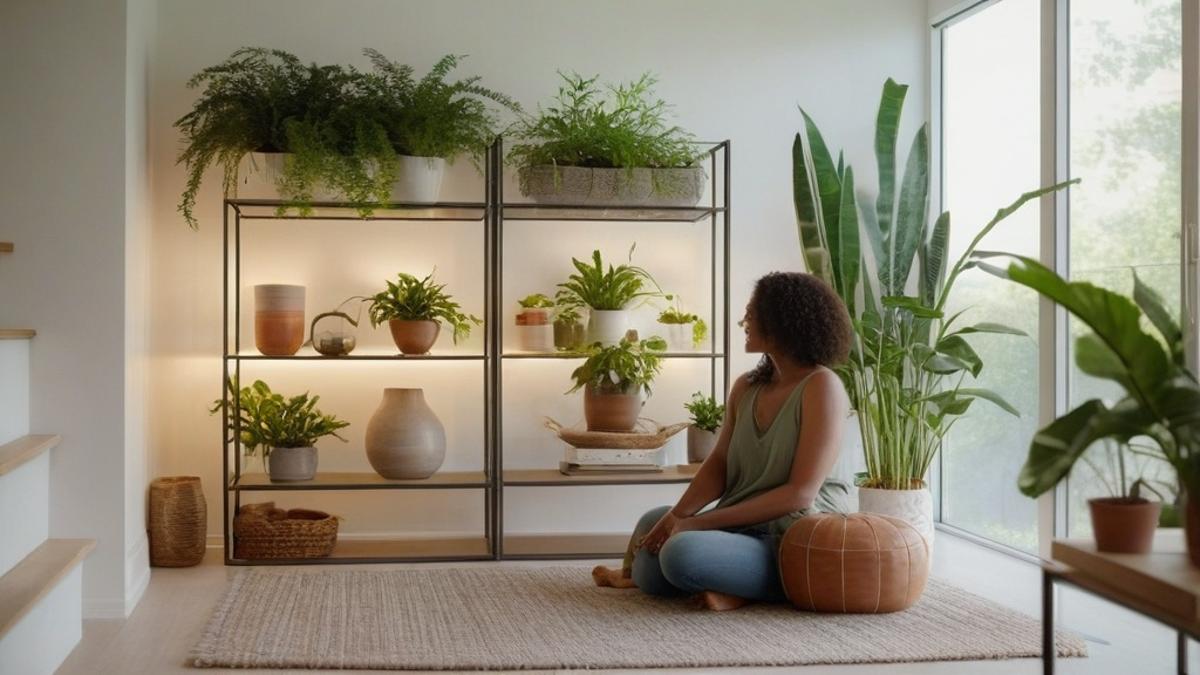
| Category | Details |
|---|---|
| Smart Shelving Ideas | Utilizing vertical space to create multi-functional shelving units that maximize storage. |
| Maximizing Vertical Space | Incorporating floor-to-ceiling shelves, wall-mounted units, and innovative corner storage solutions. |
| Storage Solutions for Small Homes | Creative ways to use vertical storage will free up valuable floor space, enhancing overall room functionality. |
| Creative Shelving Designs | Incorporating open shelving enhances aesthetics while allowing easy access to frequently used items. |
DISCOVER MORE: Click here to learn about organizing your kitchen
Room-by-Room Applications That Maximize Every Inch
Once the fundamentals click, the real fun begins: applying Vertical Storage Strategies to the specific rooms where clutter tends to pile up fastest. Kitchens, bathrooms, and entryways in American homes often carry the heaviest storage burden relative to their square footage.
Data from the National Association of Home Builders suggests the average kitchen in newer U.S. homes spans just 161 square feet, yet it’s expected to store everything from cookware to small appliances. This is precisely where creative shelving designs earn their keep.
Kitchens: Where Vertical Space Pays Off Immediately
Floating shelves above countertops can hold spice jars, cookbooks, or glassware without eating into workspace. Magnetic strips mounted on the underside of upper cabinets keep knives accessible yet off the counter entirely.
Consider these kitchen-specific approaches:
- Install a pot rail near the stove to free up an entire lower cabinet.
- Add a shelf above the refrigerator for bulk pantry items rarely needed daily.
- Use tiered wall-mounted baskets for produce that would otherwise sit on the counter.
Bathrooms and Entryways: Small Rooms, Big Payoff
Bathrooms, often under 40 square feet in many American apartments, benefit enormously from storage solutions for small homes. A ladder shelf spanning floor to ceiling beside the toilet can hold towels, toiletries, and decorative baskets simultaneously.
Entryways deserve similar attention. A slim wall-mounted shelf with hooks underneath handles mail, keys, and coats in one glance—no console table required.
According to a 2023 survey by the National Association of Realtors, buyers consistently rank storage as one of the top three features influencing home satisfaction. This underscores why thoughtful shelving isn’t cosmetic; it’s functional real estate strategy.
Living Rooms and Home Offices
Bookshelves that stretch to the ceiling, rather than stopping at standard 6-foot heights, can hold 30 to 40 percent more volume in the same footprint. Pairing tall shelving with a rolling ladder, a trend borrowed from personal libraries, adds both function and visual drama.
These room-specific tactics prove that home organization tips aren’t one-size-fits-all. Each space demands its own vertical logic, and recognizing that distinction is often what separates a cluttered room from one that feels intentionally designed.
Rethinking the Walls You Already Own
The upward shift in how Americans organize their homes is not a passing trend. It’s a practical response to shrinking square footage, rising housing costs, and a genuine desire to live in spaces that feel calm rather than chaotic. Vertical Storage Strategies answer that call by turning overlooked wall space into functional square footage without a single renovation permit.
Throughout this discussion, one theme keeps resurfacing: the ceiling is rarely the limit, only the imagination is. From floating kitchen shelves to floor-to-ceiling bookcases, maximizing vertical space consistently outperforms traditional horizontal arrangements in both storage volume and visual appeal.
Consider what this means practically. A household that adopts even three or four of the smart shelving ideas covered here could reasonably reclaim several square feet of usable floor space, based on the volume gains discussed in the kitchen and living room examples alone.
That reclaimed space carries real value. Realtor surveys already show storage ranks among the top satisfaction drivers for buyers, meaning these upgrades may pay dividends beyond daily convenience.
For renters and homeowners alike, the appeal of storage solutions for small homes lies in their flexibility. Tension rods, wall-mounted brackets, and modular shelving units require no structural changes, yet they deliver outsized returns in usable space.
Ultimately, creative shelving designs invite a simple mindset shift: look up before buying another storage bin. The next time a room feels cramped, the solution may already be hiding in plain sight, waiting vertically rather than horizontally. Armed with these home organization tips, transforming a cluttered space into an intentional one becomes less about square footage and more about smart, upward thinking.
Frequently Asked Questions
What are some effective vertical storage strategies for small apartments?
In small apartments, maximizing vertical space is crucial. Consider installing tall shelving units that reach the ceiling, utilizing wall-mounted shelves, and incorporating multi-functional furniture like storage ottomans or beds with built-in drawers. Additionally, using hooks and pegboards can help keep frequently used items accessible and organized.
How can I incorporate vertical storage in my garage?
To enhance vertical storage in your garage, start by installing wall-mounted shelves or overhead storage racks that keep items off the floor. Utilize pegboards for tools and consider tall cabinets for larger items. Vertical bike racks and hangers for sporting equipment can also help maximize space while keeping everything organized.
What types of shelving are best for maximizing vertical space in a home office?
In a home office, opt for floating shelves or modular shelving systems that can be adjusted as your needs change. Vertical file cabinets or tiered shelving units can help keep paperwork organized while saving floor space. Use wall-mounted organizers for small office supplies to further utilize vertical space effectively.
Can vertical storage strategies work for children’s rooms?
Absolutely! Vertical storage strategies are perfect for children’s rooms. Use tall bookshelves for books and toys, and add wall-mounted cubbies or baskets to keep items off the floor. Incorporating a climbing wall or ladder bookshelves can also make storage fun and engaging for kids.
How can I create an aesthetically pleasing vertical storage solution?
To create an aesthetically pleasing vertical storage solution, choose shelving that complements your home’s decor. Consider open shelving for displaying decorative items and books, and mix materials like wood and metal for visual interest. Use decorative bins or baskets to keep stored items looking organized and stylish.
Are there specific vertical storage solutions for kitchens?
Yes, kitchens can greatly benefit from vertical storage solutions. Install tall cabinets that reach the ceiling, use wall-mounted shelves for spices or cookbooks, and add hanging racks for pots and pans. Consider using magnetic strips for knives or utensils to free up counter space while keeping essential tools easily accessible.

Beatriz
Beatriz Johnson is a seasoned minimalist and writer with a passion for simplifying the complexities of personal organization and intentional living. With over a decade of experience in decluttering strategies and mindful consumption, she specializes in topics like space optimization, habit simplification, and sustainable lifestyle choices. Through her work on our website, Beatriz empowers readers to embrace minimalism, reduce mental and physical clutter, and create more meaningful, organized lives in today's fast-paced world.