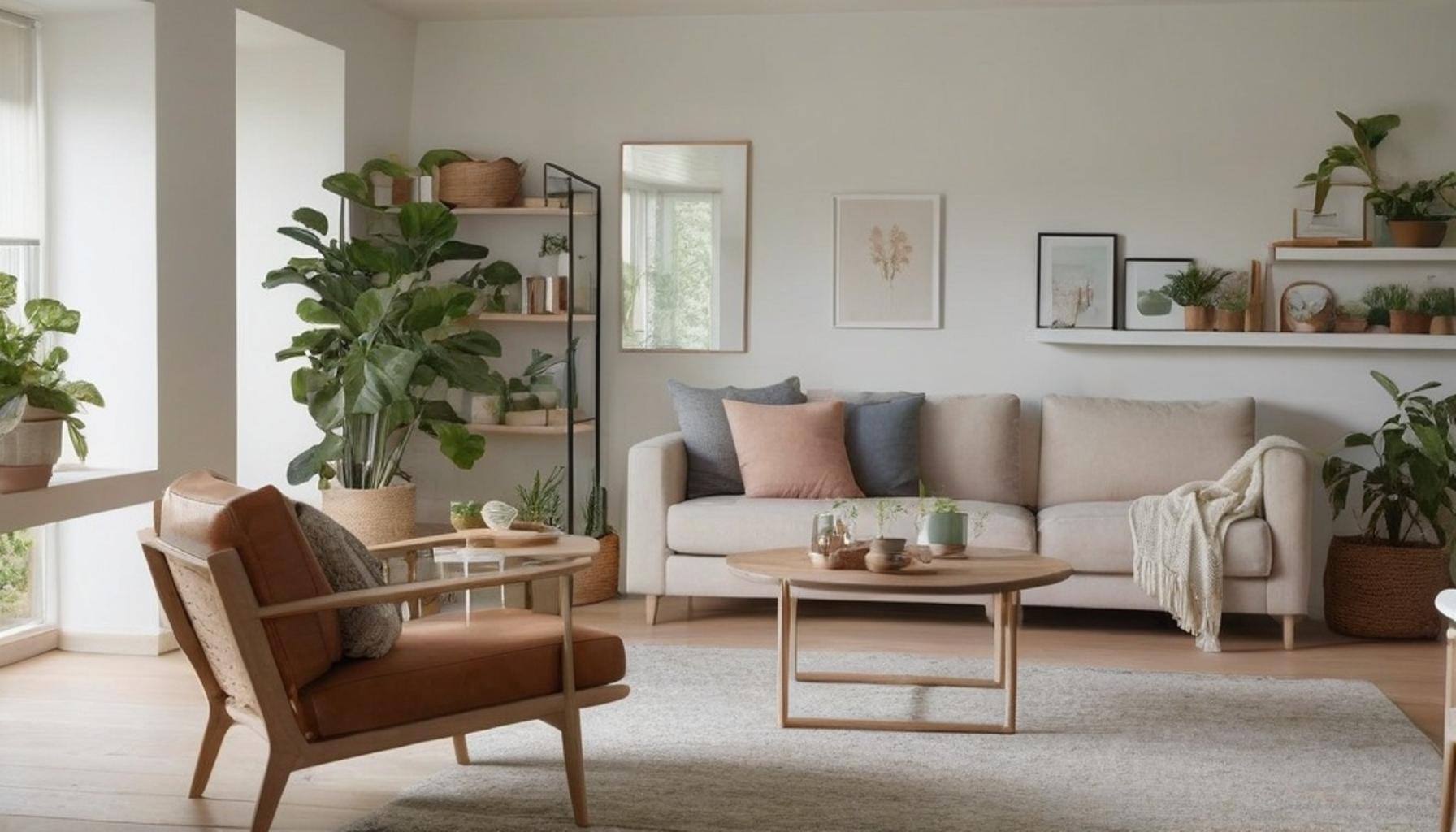
The Art of Minimalist Living: Effective Decluttering Techniques for Home Organization
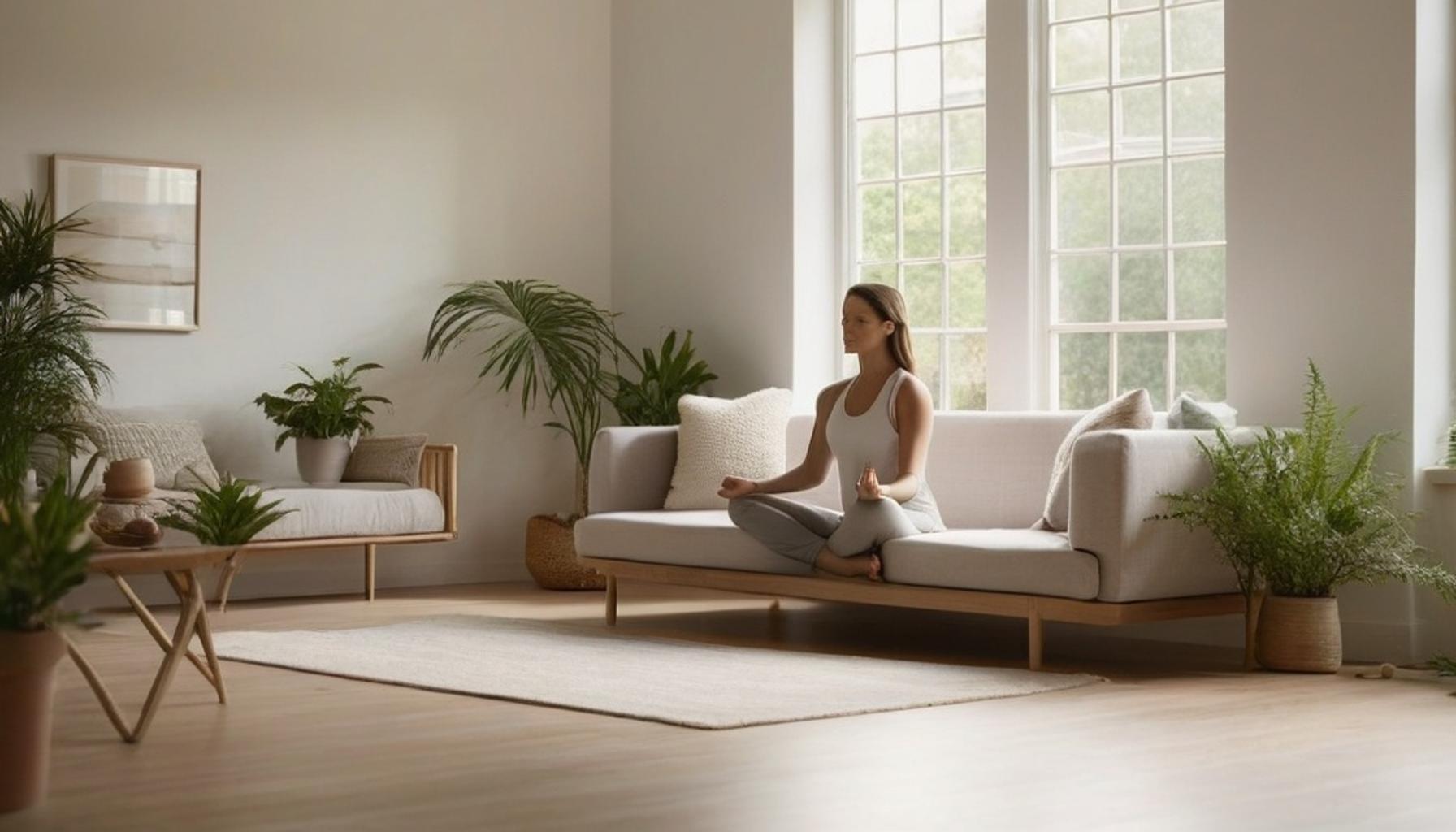
Understanding Minimalist Living in Modern America
The average American household contains over 300,000 items, according to the LA Times, and self-storage has become a colossal $39 billion industry nationwide. This staggering statistic provides a glimpse into why Minimalist Living has evolved from a niche trend to a mainstream necessity, captivating the attention of many individuals seeking simplicity in their lives.
For countless Americans, the everyday reality includes closets overflowing with unworn clothes, garages stuffed with forgotten bicycles and tools, and kitchens cluttered with duplicate kitchenware. Does this sound familiar? You’re not alone; many feel overwhelmed by their possessions.
What to Expect from This Guide
This article breaks down practical Decluttering Techniques that are effective and manageable, steering clear of the overwhelm often associated with home makeovers. Here’s what you can look forward to:
- Room-by-room Home Organization Tips designed for immediate impact
- An exploration of the psychology behind why we accumulate clutter in the first place, providing insights into our emotional attachments to belongings
- Proven methods like the 90/90 rule, which asks if you’ve used an item in the last 90 days and if you’ll use it in the next 90, along with the four-box technique for sorting items into categories: keep, donate, sell, and trash
- Strategies to maintain a Minimalist Lifestyle over the long term, ensuring that the transition extends beyond a quick weekend purge
Whether you’re moving to a smaller apartment or simply seeking a more serene and calming space within your current home, these Simple Living Ideas are adaptable to any budget and any square footage.
More Than Just Tidiness
Minimalism extends beyond just creating tidy shelves or curating Instagram-worthy interiors. Recent research from Princeton University’s Neuroscience Institute indicates that effective decluttering is linked to reduced stress levels and enhanced focus. A simplified environment can lead to a clearer mind, fostering greater productivity and creativity in daily tasks.
Are you ready to reclaim your personal space and experience the benefits of a minimalist approach? Dive into the subsequent sections that detail how Organizing Your Home can be a transformative journey, impacting not only your physical surroundings but also your mental well-being.
DIVE DEEPER: Click here for kitchen organization tips
The Psychology Behind Clutter: Why We Hold On
Before diving into Decluttering Techniques, it’s worth asking a deeper question: why do Americans accumulate so much stuff in the first place? The answer lies less in consumerism and more in human psychology.
Behavioral researchers point to a phenomenon called the endowment effect, where people assign greater value to items simply because they own them. That chipped mug from college or the jacket you haven’t worn since 2015 feels irreplaceable, even when logic says otherwise. This emotional attachment is a major roadblock to Effective Decluttering.
Common Triggers That Fuel Accumulation
Understanding your own clutter habits is the first step toward lasting change. Most Americans fall into one or more of these patterns:
- Sentimental hoarding — keeping items tied to memories, even when they serve no practical purpose
- “Just in case” thinking — holding onto duplicate tools, extra cables, or old furniture for hypothetical future needs
- Retail therapy habits — using shopping as an emotional coping mechanism, which studies from the Journal of Consumer Research link to stress and anxiety
- Gift guilt — feeling obligated to keep unwanted presents out of respect for the giver
Recognizing which of these applies to you can make the difference between a temporary tidy-up and a genuine shift toward Minimalist Living.
The Real Cost of Clutter
Clutter isn’t just a visual nuisance, it carries a measurable financial and emotional toll. According to a 2023 survey by the National Association of Productivity and Organizing Professionals, the average American spends 2.5 days per year searching for misplaced items. Multiply that across a lifetime, and the hours lost are staggering.
There’s also a financial angle. Many households pay for offsite storage units, averaging $180 per month nationally, simply to house items they rarely use. That’s over $2,000 annually spent on storing clutter rather than enjoying a functional, organized home.
This is precisely where Home Organization Tips rooted in minimalist principles come into play. By addressing the root psychological causes of accumulation, rather than just symptoms, you set the stage for changes that actually stick. The next section explores how to translate this awareness into action, starting with the rooms that tend to accumulate the most chaos.

EXPLORE: Click here for tips on a clutter-free kitchen
Room-by-Room Decluttering Techniques That Actually Work
Once you understand why clutter accumulates, the next step is action. Rather than attempting to overhaul your entire home in one exhausting weekend, professional organizers recommend tackling spaces methodically. This approach to Organizing Your Home reduces burnout and produces results that last.
The Kitchen: Where Clutter Hides in Plain Sight
Kitchens are notorious clutter zones, packed with duplicate gadgets, expired spices, and mismatched containers. Start with the 90-second rule: if an item takes longer than 90 seconds to locate, it’s likely misplaced or unnecessary.
- Sort utensils and appliances by frequency of use, keeping daily essentials within arm’s reach
- Donate small appliances unused in the past 12 months, such as bread makers or panini presses
- Consolidate food storage containers to a single matching set
A 2022 study from the University of California, Los Angeles found that cluttered kitchens correlate with higher stress cortisol levels in the women surveyed, reinforcing that Home Organization Tips extend beyond aesthetics into genuine wellbeing.
The Closet: Applying the One-Year Rule
Clothing accounts for a significant share of household clutter. The one-year rule is a simple, effective technique: if you haven’t worn something in twelve months, it’s time to let it go.
Try the hanger-flip method popularized by minimalist advocates nationwide. Turn all hangers backward at the season’s start, then flip them forward after wearing each item. After a year, anything still facing backward gets donated.
The Digital Space: An Overlooked Frontier
Minimalist Living isn’t confined to physical objects. Digital clutter, overflowing inboxes, duplicate photos, and unused apps, creates similar mental fatigue. Data from Microsoft’s 2023 Work Trend Index suggests employees lose nearly one hour weekly navigating disorganized digital files.
- Unsubscribe from promotional emails using tools like Unroll.Me
- Schedule monthly phone storage audits to delete duplicate photos
- Organize documents into clearly labeled folders rather than a single downloads dump
The Four-Box Method for Any Room
For a universal approach applicable to any space, the four-box method remains a favorite among professional organizers:
- Keep — items used regularly or genuinely valued
- Donate — usable items no longer needed
- Trash — broken or expired items
- Relocate — items belonging in a different room
This technique works because it forces immediate decisions, preventing the common trap of creating a vague “maybe” pile that never gets resolved. Combined with the psychological insights from clutter triggers, these Decluttering Techniques form a practical framework for anyone pursuing a more intentional, Simple Living approach at home.
Embracing Minimalist Living as an Ongoing Practice
Clutter rarely disappears after a single weekend purge. What separates lasting transformation from temporary tidiness is treating Minimalist Living as an evolving habit rather than a one-time project. The kitchen, closet, and digital strategies outlined above only work when revisited regularly, ideally through seasonal check-ins that keep new clutter from quietly creeping back in.
Consider this: professional organizers estimate that most households accumulate roughly 20 percent new clutter annually, even after a thorough decluttering session. That statistic alone explains why maintenance matters just as much as the initial overhaul.
Rather than viewing decluttering as punishment or chore, reframe it as an investment in mental clarity. Homes organized through consistent Effective Decluttering practices often report measurable reductions in daily decision fatigue, since fewer possessions mean fewer choices competing for attention each morning.
For those just beginning this journey, start small. Choose one drawer, one shelf, or one email inbox this week. Momentum builds naturally once early wins become visible.
- Revisit the four-box method every three months to prevent buildup
- Pair physical decluttering sessions with digital clutter audits
- Track progress with before-and-after photos for motivation
Ultimately, Simple Living Ideas aren’t about owning less for its own sake, they’re about creating space, literally and mentally, for what genuinely matters. Whether inspired by wellness research, financial savings, or simply a desire for calmer surroundings, adopting a Minimalist Lifestyle offers a practical, evidence-backed path toward a more intentional home. The techniques covered here provide the foundation; consistency provides the results.
Frequently Asked Questions
What are the first steps to start minimalist living in my home?
Begin by assessing your belongings and identifying items you no longer need or use. Create categories for items you want to keep, donate, or discard. Start with one room at a time to make the process manageable and less overwhelming.
How can I determine what to keep and what to declutter?
Ask yourself if each item adds value to your life or serves a functional purpose. Consider its emotional significance and whether you have used it in the past year. If it doesn’t contribute positively to your environment, it might be time to let it go.
What are some effective decluttering techniques for small spaces?
Utilize storage solutions such as multi-functional furniture to maximize space efficiency. Implement the ‘one in, one out’ rule, where you remove an item every time you bring something new into your home. Also, consider vertical storage options to save floor space.
How can I maintain a minimalist lifestyle after decluttering?
Establish a routine to regularly evaluate your possessions and avoid accumulating unnecessary items. Set goals for mindful purchasing to ensure you only bring home items that truly serve a purpose. Create designated spaces in your home for your belongings to promote organization.
What are the benefits of adopting minimalist living beyond home organization?
Minimalist living can lead to reduced stress and increased mental clarity by eliminating distractions and clutter. It also promotes sustainability, as you tend to consume less and focus on quality over quantity. Many find that a simpler lifestyle fosters stronger relationships and more time for meaningful experiences.

Beatriz
Beatriz Johnson is a seasoned minimalist and writer with a passion for simplifying the complexities of personal organization and intentional living. With over a decade of experience in decluttering strategies and mindful consumption, she specializes in topics like space optimization, habit simplification, and sustainable lifestyle choices. Through her work on our website, Beatriz empowers readers to embrace minimalism, reduce mental and physical clutter, and create more meaningful, organized lives in today's fast-paced world.