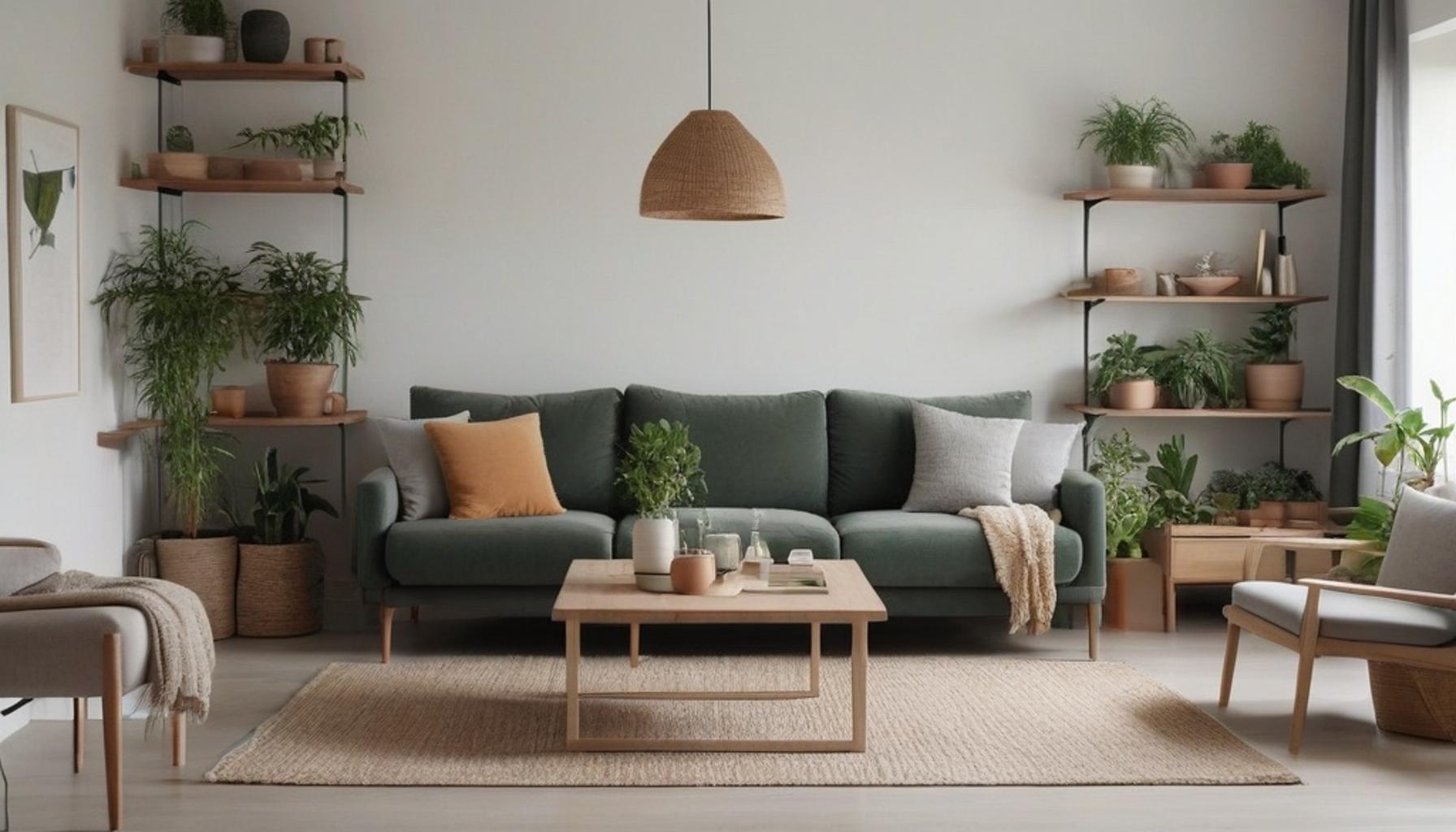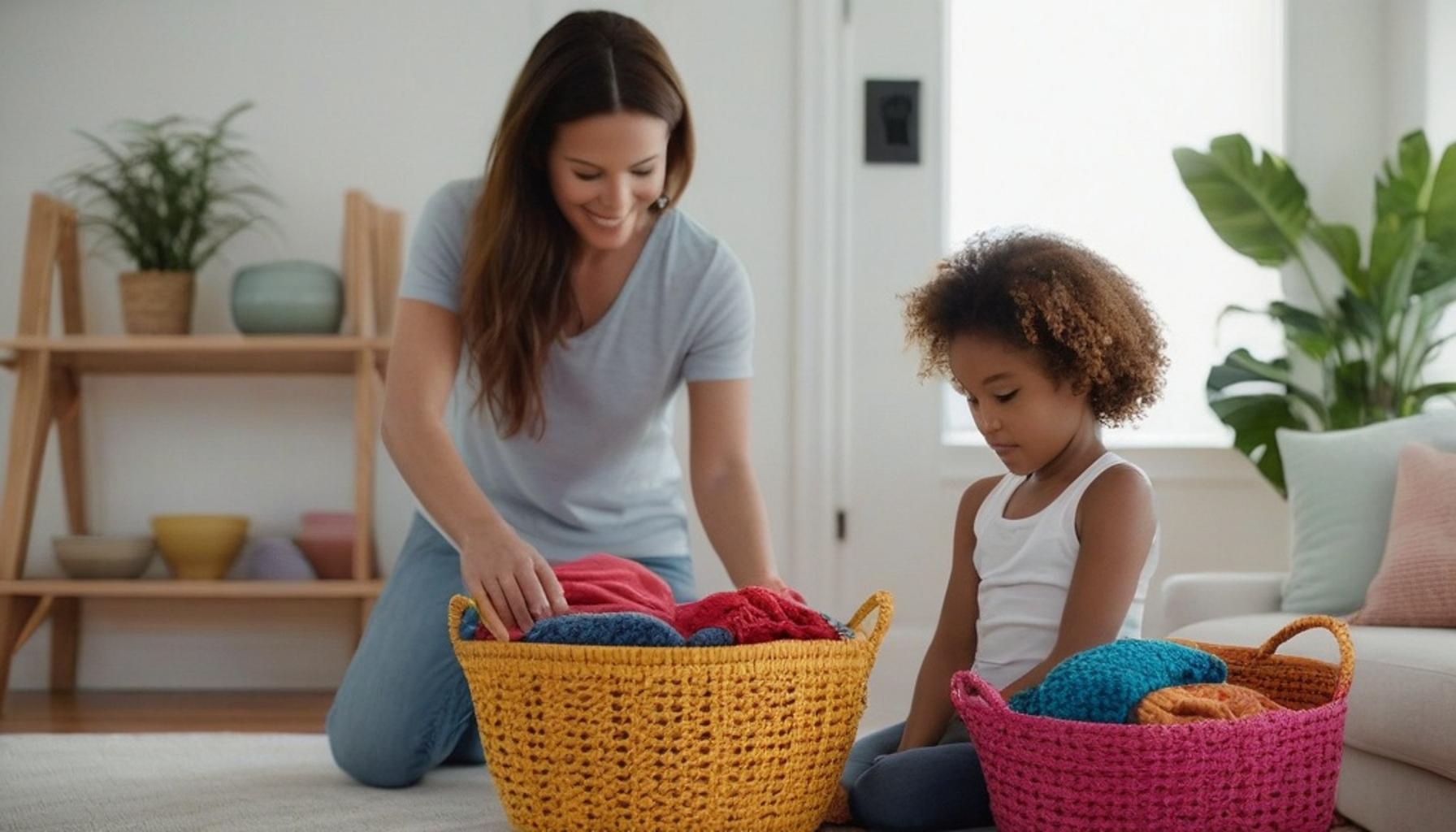
Creating a Clutter-Free Home: Effective Decluttering Techniques for Every Space

The Need for a Clean Slate in Our Living Spaces
The average American household contains over 300,000 items, according to organizational experts. This staggering statistic illuminates why many families feel a palpable sense of overwhelm as soon as they step through their own front door. Each item can easily become a source of stress rather than joy, contributing to an uninviting atmosphere that negatively impacts daily life.
A clutter-free home signifies more than just a visually appealing environment; it has profound psychological and emotional effects. Research reveals that tidy spaces are linked to lower levels of stress hormones, contributing to an overall sense of well-being. Clean, organized environments are known to promote better sleep patterns, enhance concentration, and even improve productivity for those working from home. This connection between our surroundings and mental health underscores the importance of maintaining a serene living space.
What You’ll Discover in This Guide
Clutter manifests uniquely across various living conditions, ranging from a jam-packed garage in suburban Ohio to a cramped New York City studio apartment where every square inch matters. This variance makes generic decluttering advice often ineffective; a tailored approach is essential for genuine improvements.
- Room-specific decluttering techniques designed for critical areas like kitchens, closets, and home offices, ensuring that each room reflects its intended function while remaining orderly.
- Proven organizing home space strategies utilized by seasoned professional organizers, helping to instill methods that can be seamlessly integrated into any lifestyle.
- Minimalist living tips aimed at reducing decision fatigue, allowing individuals to focus on what truly matters while reclaiming valuable square footage in their homes.
- Budget-friendly home organization ideas that rely on innovative, cost-effective solutions rather than pricey containers, ensuring accessibility for everyone.
This article is designed to break down how to declutter effectively, emphasizing a step-by-step approach rather than overwhelming weekend purges. The methods proposed are realistic and sustainable, ensuring that you can maintain your newly organized space over the long term.
Are you ready to transform chaos into calm? The techniques outlined below have already helped thousands of households reclaim their living areas—and with that, their sense of peace and clarity in everyday life. Embrace the journey towards a more organized existence while discovering the immense benefits that a refreshed home can bring.
DISCOVER: Click here for kitchen organization tips
# Understanding the Root Causes of Household ClutterBefore diving into specific organizational systems, it’s crucial to understand why clutter accumulates in the first place. Most Americans don’t intentionally hoard possessions; rather, clutter creeps in gradually through a combination of convenience, sentimentality, and simple busy schedules.Behavioral psychologists identify several common triggers behind household disorganization. Recognizing these patterns is the first step toward developing a genuinely clutter-free home that stays that way.
The Psychology Behind Why We Accumulate
Retail therapy, decision fatigue, and the “just in case” mentality all contribute to overflowing closets and jam-packed garages. According to consumer behavior studies, the average American purchases 65 pieces of clothing annually, yet wears only a fraction of their wardrobe regularly. This disconnect between acquisition and actual use is at the heart of most clutter problems.
Understanding this pattern helps explain why traditional decluttering techniques that focus solely on organizing—rather than addressing consumption habits—often fail long-term. A truly effective approach tackles both the symptoms and the underlying causes.
Common Clutter Triggers Across American Households
- Sentimental attachment to gifts, inherited items, and mementos that feel impossible to part with, even when they serve no practical purpose.
- Bulk buying habits, particularly common among suburban families shopping at warehouse stores like Costco or Sam’s Club, leading to excess inventory in pantries and storage areas.
- Lack of designated storage systems, causing items to be placed wherever there’s available space rather than in logical, accessible locations.
- Time constraints that prevent regular maintenance, allowing minor clutter to snowball into overwhelming disorganization within weeks.
Once these triggers are identified, homeowners can begin implementing targeted home organization ideas that address their specific lifestyle patterns rather than adopting one-size-fits-all solutions.
The Foundation: Assessing Your Space Before You Organize
Successful organizing home spaces begins with honest assessment, not immediate action. Professional organizers consistently emphasize that skipping this evaluation phase leads to inefficient systems that collapse within months.
Start by walking through each room with fresh eyes, as if seeing your home for the first time. Ask yourself which areas consistently generate frustration—overflowing junk drawers, closets where clothes fall off hangers, or countertops perpetually covered in mail and miscellaneous items.
This assessment phase also involves understanding how to declutter effectively by categorizing possessions into three groups: items used daily, items used occasionally, and items rarely or never touched. This simple sorting exercise, often called the “frequency audit,” reveals surprising truths about actual versus perceived necessity, setting the stage for meaningful, lasting change throughout your home.

DIVE DEEPER: Click here to discover more
Generic advice rarely works because every room in a house serves different functions and attracts different types of clutter. The most effective decluttering techniques are tailored to the specific challenges each space presents, from kitchens overflowing with gadgets to bedrooms buried in laundry. Understanding the unique characteristics of each area can significantly improve your organization efforts.
Kitchen and Pantry: The High-Traffic Zone
Kitchens accumulate clutter faster than almost any other room because they are frequented multiple times daily. From breakfast rushes to late-night snacks, this space is a whirlwind of activity, making it a hotspot for disorganization. To combat this, professional organizers recommend the “one-in, one-out” rule for kitchen gadgets. For instance, if you purchase a new blender, consider donating or discarding an older model that hasn’t been used in the last few months. This practice not only reduces clutter but also encourages mindful purchasing habits.
Pantry organization benefits enormously from clear, labeled containers. According to studies from the National Association of Productivity and Organizing Professionals, households utilizing see-through storage systems can cut food waste by up to 23%. This statistic emphasizes the importance of visibility in managing pantry staples. When you can easily see what you have, items no longer get lost behind boxes and bags, which can lead to unnecessary spoilage.
- Group similar items together—baking supplies, snacks, canned goods—rather than storing randomly to create a logical order that simplifies meal prep.
- Utilize vertical space with stackable bins to maximize cabinet capacity; this not only saves space but also makes accessing items easier.
- Rotate pantry stock quarterly and check expiration dates on bulk-bought items to keep your collection fresh and usable.
Bedrooms and Closets: Tackling Wardrobe Overload
In the average American home, it is common for closets to hold significantly more clothing than is regularly worn. Consequently, bedrooms require a strategic approach to organization. One innovative technique is the hanger-reversal method. This ingenious method involves turning all hangers backward on the rod; after wearing an item, you flip the hanger forward. By monitoring which items remain untouched after six months, you can gain visual proof of what is genuinely used. This practical experiment often reveals that 80% of clothing wear comes from just 20% of a wardrobe, a reality that resonates with the minimalist living principles championed by organizing experts.
Home Offices and Paper Management
Even in the digital age, paper clutter remains a persistent issue, particularly in home offices where paperwork multiplies quickly. To manage this, setting up a straightforward four-category filing system is invaluable. The categories—act on, file, shred, and recycle—allow for efficient sorting of mail and documents, preventing those pesky piles from taking over your kitchen counters or desks.
Additionally, modern technology provides innovative solutions to paper management. Digital scanning apps, such as Evernote or Adobe Scan, enable homeowners to photograph and store essential documents digitally. This technological shift eliminates the need to keep years’ worth of paper records that previously filled filing cabinets and storage boxes throughout American homes, freeing up physical space for more productive use.
By implementing these targeted strategies, each room in your home can achieve lasting organization, making your living spaces more functional and enjoyable. Whether tackling kitchen clutter or managing paper trails in home offices, personalized approaches create a significant impact on achieving a decluttered lifestyle.
Bringing It All Together: Your Path to a Clutter-Free Home
Achieving a clutter-free home isn’t about a single dramatic weekend purge; it’s about recognizing that every room speaks its own language of disorganization. Kitchens demand visibility and rotation, closets require honest evaluation of actual use, and home offices need systems that keep paper from multiplying unchecked. This room-by-room mindset is what separates lasting results from short-lived tidiness.
The strategies outlined throughout this guide—whether it’s the hanger-reversal method revealing overlooked wardrobe habits or a four-category filing system taming paperwork—prove that decluttering techniques work best when matched to the specific problem at hand. There is no one-size-fits-all solution, and that’s precisely why generic advice so often falls short.
What ties these approaches together is a broader shift in perspective. Minimalist living tips aren’t about owning as little as possible; they’re about ensuring everything in your home earns its place. This philosophy transforms organizing home spaces from a chore into an ongoing relationship with your belongings, one rooted in intention rather than accumulation.
For anyone wondering how to declutter effectively over the long term, consistency matters more than intensity. Quarterly pantry checks, seasonal closet reviews, and monthly paper sweeps prevent clutter from rebuilding silently. Small, scheduled habits outperform occasional marathon cleanouts.
Consider starting with just one space this week. Track the results, notice the mental clarity that follows, and let that momentum guide you toward the next room. A truly organized home isn’t built overnight, but through deliberate, repeatable home organization ideas that fit real American lifestyles. The reward is not merely tidy shelves, but a living space that finally feels calm, functional, and genuinely yours.
Frequently Asked Questions
What are some quick decluttering techniques for a small living room?
Start by removing items that don’t belong in the living room, and place them in their designated areas. Use multifunctional furniture, like ottomans with storage, to minimize clutter. Consider adopting the ‘one in, one out’ rule, where you remove an item for every new one you bring in.
How can I declutter my kitchen efficiently?
Begin by clearing off countertops and removing all items from drawers and cabinets. Categorize your kitchen items, keeping only what you use regularly. Donate or discard duplicates and broken items, and consider using organizers to maximize space.
What strategies can help maintain a clutter-free bedroom?
Establish a daily routine to tidy up, putting away clothes and personal items before bedtime. Invest in under-bed storage solutions and use baskets for quick organization. Regularly evaluate your belongings and donate items that you haven’t used in the last year.
How do I handle sentimental items when decluttering?
It can be difficult, but try to keep only the most meaningful items. Take photos of items before letting them go if it helps you preserve memories. Designate a small keepsake box to limit the number of sentimental items and make it easier to part with the rest.
What are some effective decluttering techniques for a home office?
Start by sorting through paperwork and digital files, using a filing system to keep important documents organized. Implement a ‘no clutter’ policy on your desk, only keeping essential work items visible. Regularly reassess supplies and discard or donate items you no longer need.
Are there specific decluttering systems that work well for garages?
Use a modular storage system with shelving and clear bins to make items visible and accessible. Categorize tools and equipment by function or frequency of use, and place less-used items towards the back. Additionally, consider incorporating hooks and pegboards to maximize wall space for tools and gear.

Beatriz
Beatriz Johnson is a seasoned minimalist and writer with a passion for simplifying the complexities of personal organization and intentional living. With over a decade of experience in decluttering strategies and mindful consumption, she specializes in topics like space optimization, habit simplification, and sustainable lifestyle choices. Through her work on our website, Beatriz empowers readers to embrace minimalism, reduce mental and physical clutter, and create more meaningful, organized lives in today's fast-paced world.