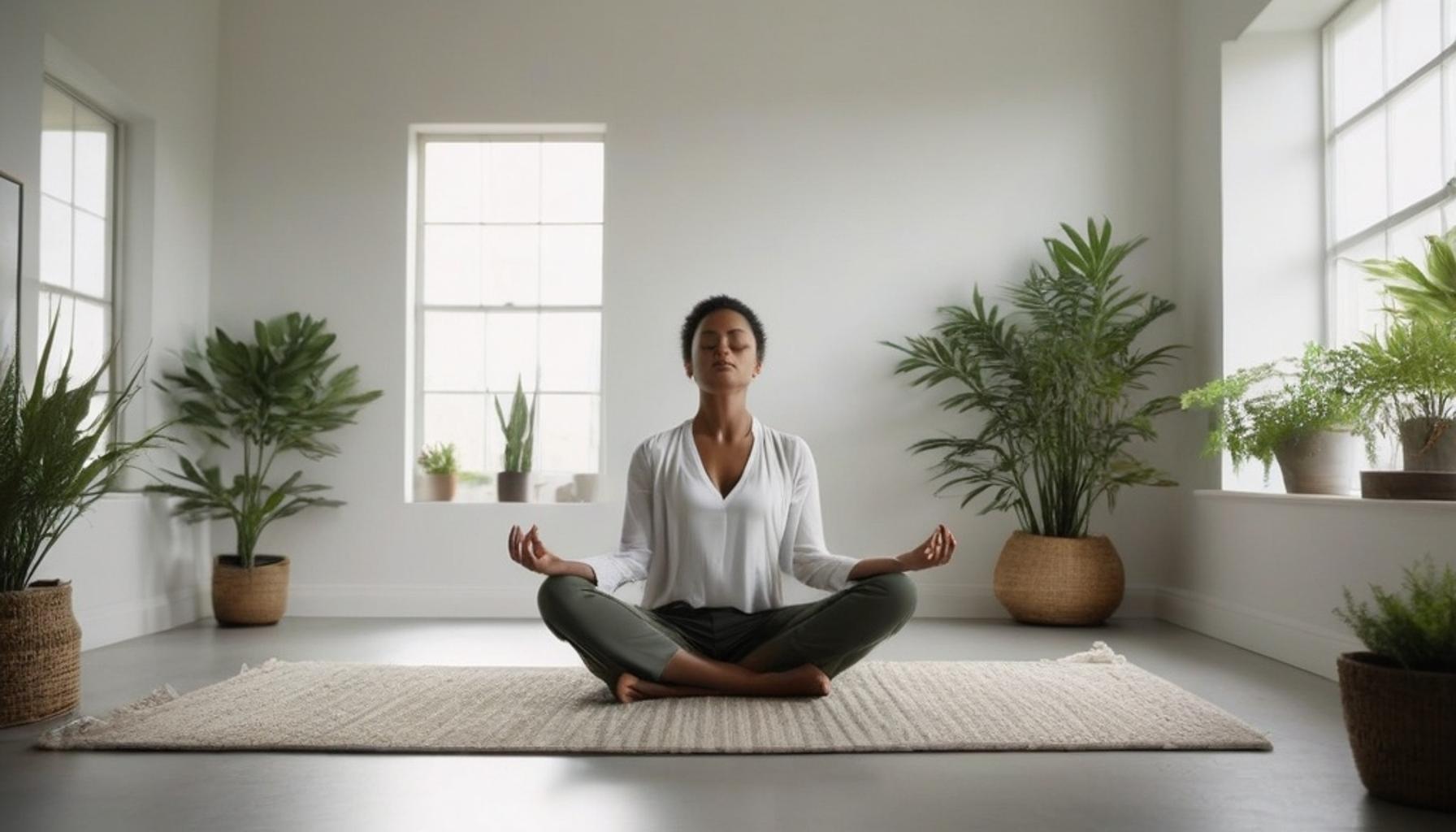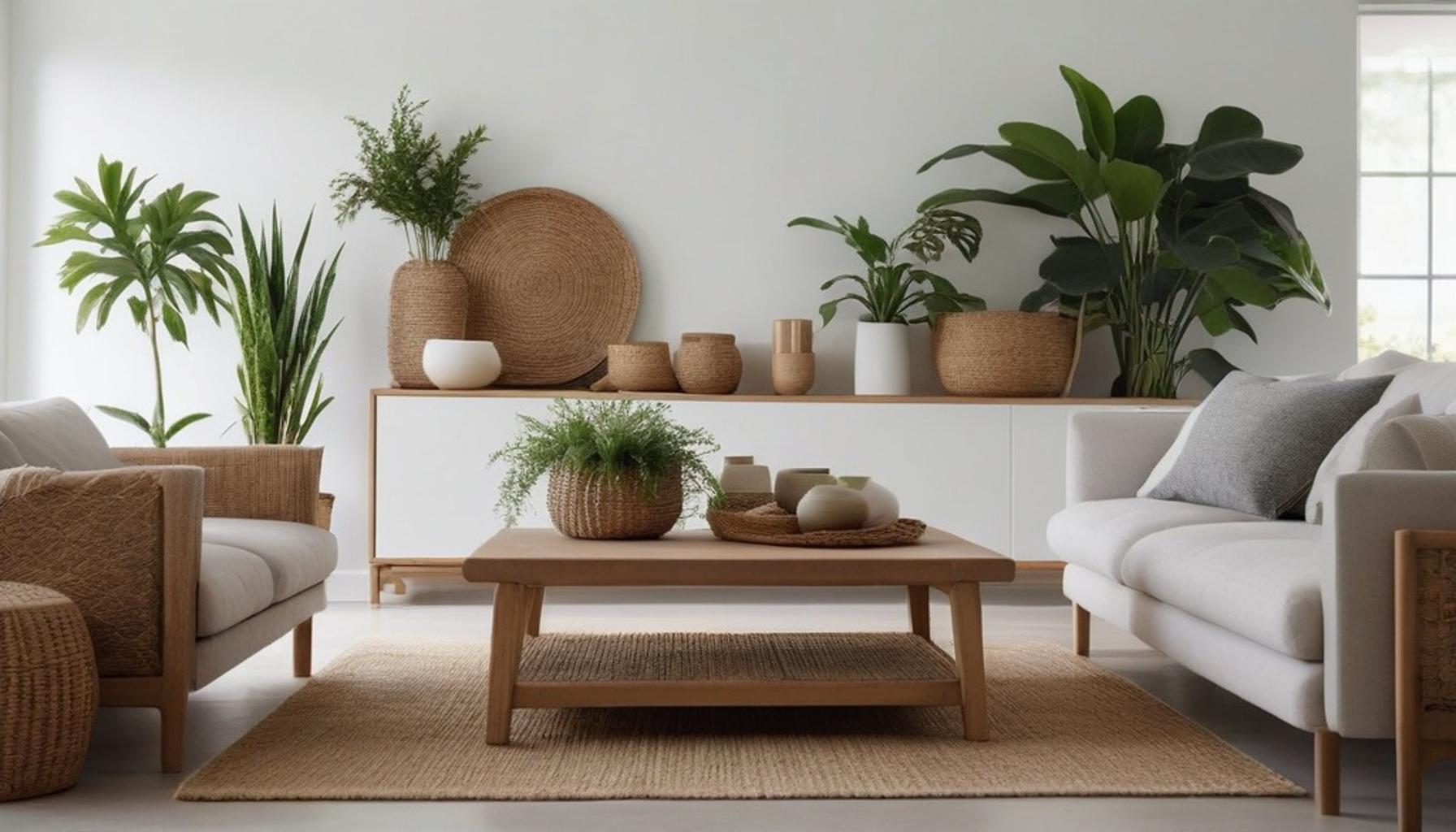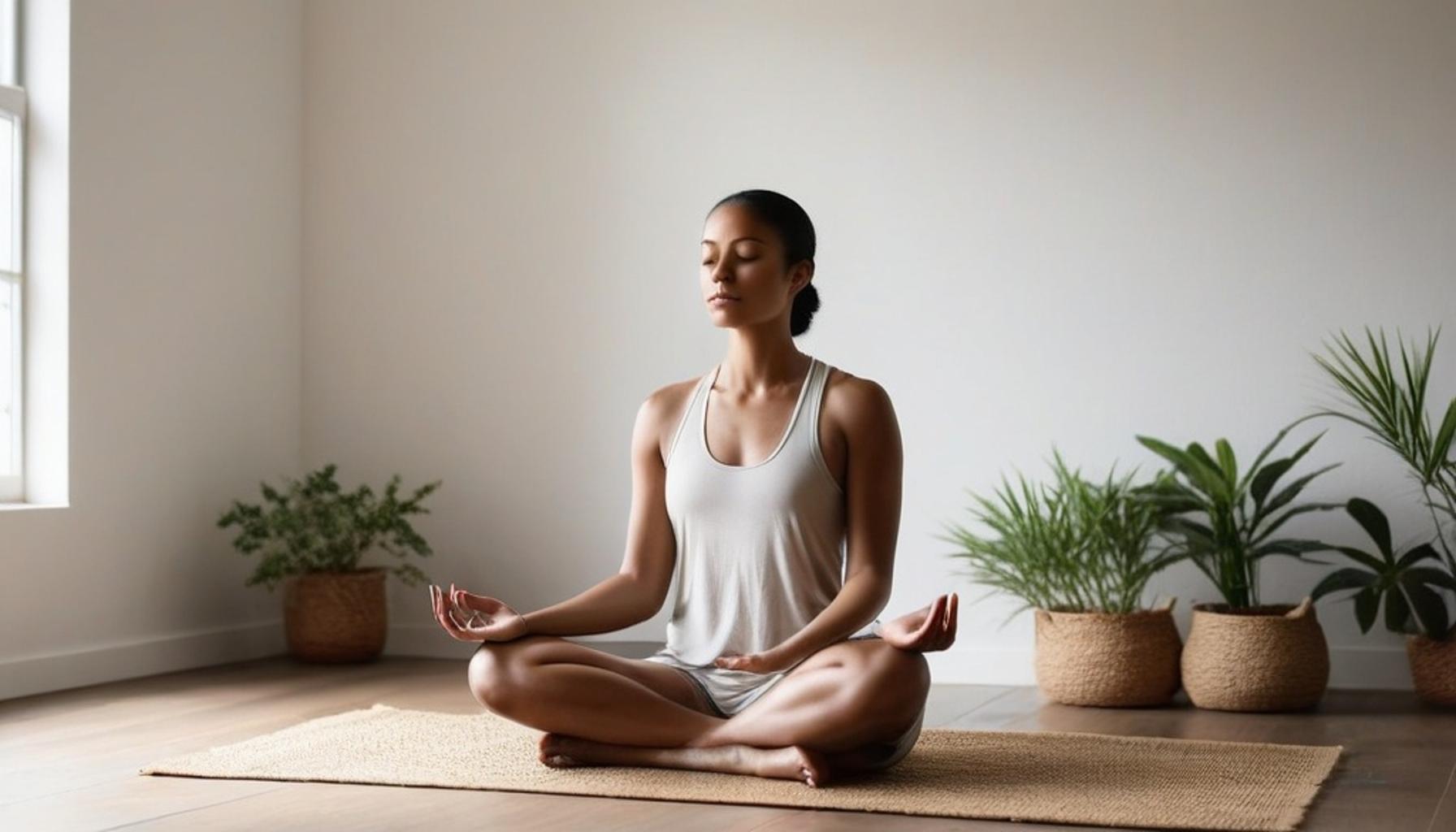
Mindful Decluttering: Embracing Simplicity for a Stress-Free Home Environment
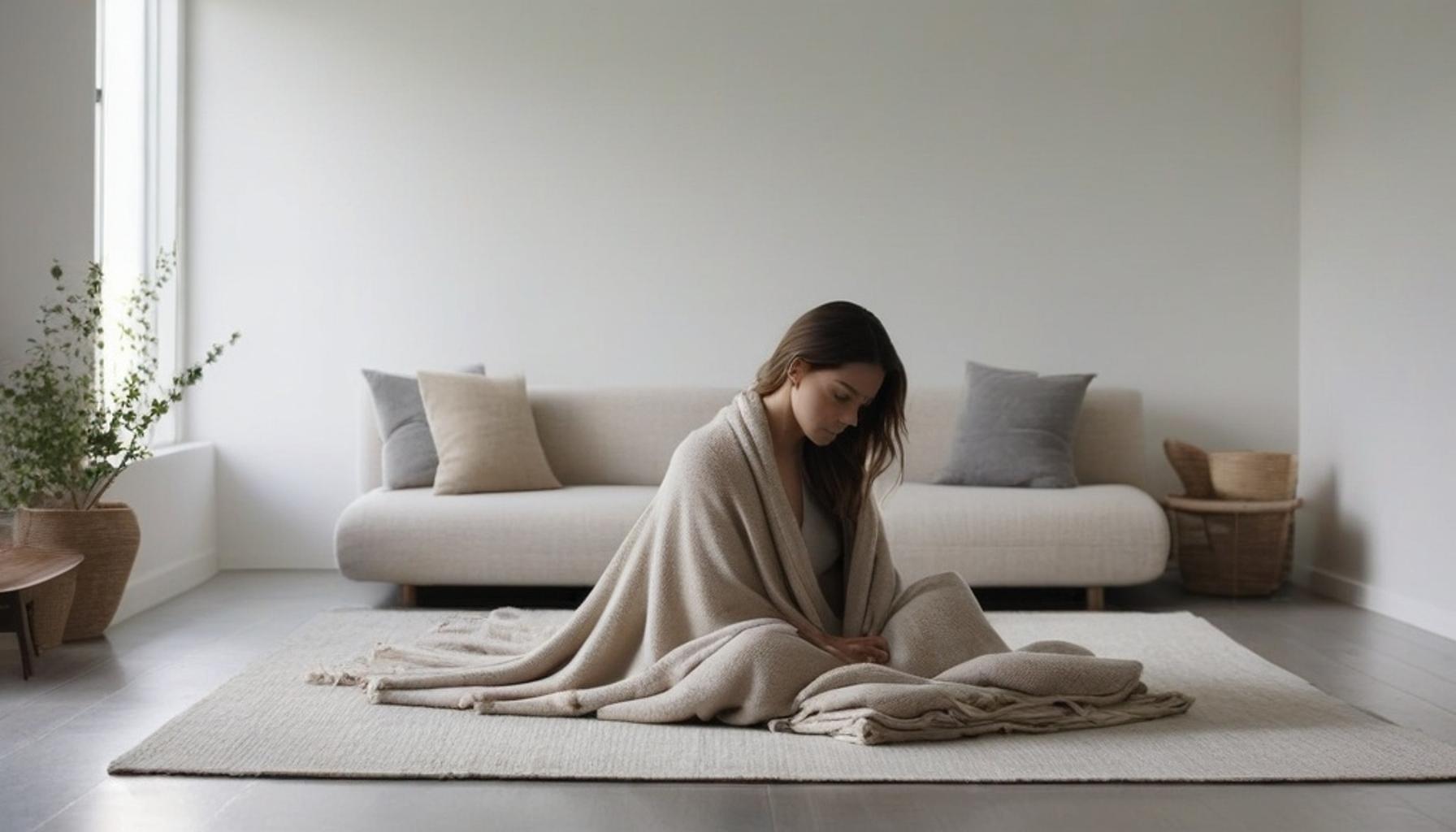
Understanding the Impact of Clutter on Your Well-Being
In a culture where consumerism is often celebrated, the staggering reality is that 54% of people feel overwhelmed by clutter in their own homes, revealing an alarming disconnect between material wealth and personal contentment. Americans, more than any other generation, have accumulated vast amounts of belongings, yet the chaos that ensues often leads to anxiety and stress. This invites an essential shift in perspective: the concept of mindful decluttering.
Mindful decluttering is not just about tidying up; it’s a reflective practice that encourages individuals to examine the emotional and psychological implications of their possessions. In contrast to a hasty clean-up session aimed at simply reducing physical items, this approach involves taking time to recognize how each belonging influences your day-to-day life, mindset, and overall well-being.
Implementing Mindfulness in Decluttering
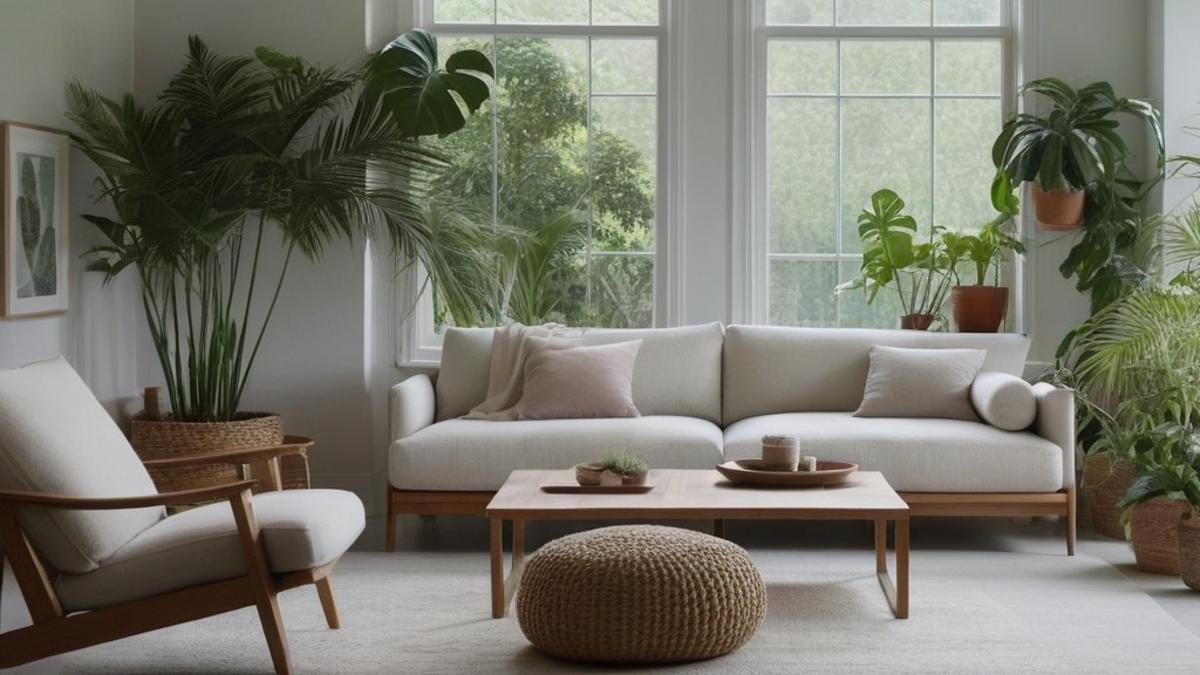
Consider the transformation of a closet where every piece serves a distinct purpose, leading to a seamless morning routine. Visualize a kitchen counter devoid of distractions, creating a serene space for culinary creativity. Such an environment fosters a stress-free home, achieved through deliberate and thoughtful choices rather than impulsive discarding.
- Mindfulness in organizing your daily spaces allows for enhanced clarity and focus.
- Practical home decluttering tips can be tailored for every room, emphasizing functionality over abundance.
- Understanding the psychology behind why we hold onto excess can shed light on our consumer behaviors.
- Steps toward sustainable minimalist living can lead to a more meaningful existence, focused on experiences rather than possessions.
A study from UCLA’s Center on Everyday Lives and Families underscores the physical repercussions of a cluttered environment, indicating that these chaotic spaces are linked to elevated cortisol levels, particularly among women. This suggests that even seemingly harmless disorder can adversely affect our health, amplifying stress and anxiety.
By exploring the practice of mindful decluttering, one can not only reimagine their living space but also reshape their entire relationship with the material world. Embracing simplicity can empower individuals to cultivate a life rich in experiences rather than excess. As this journey unfolds, the path to a clearer mind, a more focused lifestyle, and genuine peace of mind may become more accessible than ever.
DISCOVER MORE: Click here for clutter-free kitchen tips
The American Accumulation Problem: Why We Have So Much Stuff
Walk into any storage unit facility across the United States, and you’ll find evidence of a national pattern: Americans rent more self-storage space per capita than any other country in the world. The self-storage industry alone generates nearly $40 billion annually, a figure that speaks volumes about a society struggling to manage its own possessions. This isn’t just about having too much stuff; it’s about what that stuff represents psychologically.
Retail therapy, holiday shopping traditions, and the constant barrage of “must-have” products have created households where closets overflow and garages become inaccessible. Yet mindful decluttering offers an antidote to this cycle, encouraging consumers to pause before purchasing and reflect before discarding.
The Hidden Costs of a Cluttered Life
Beyond the obvious physical inconvenience, disorganized spaces carry costs that many homeowners never calculate. Consider these realities:
- The average American spends 2.5 days per year searching for misplaced items, according to a national survey conducted by a professional organizing association.
- Cluttered homes are statistically linked to higher rates of procrastination and decreased productivity, particularly among remote workers navigating home offices.
- Excess belongings often translate into excess spending, as people repurchase items they already own but cannot locate.
- Emotional attachment to unused items can create a subtle but persistent sense of guilt, further complicating one’s relationship with their living space.
These findings suggest that clutter isn’t merely an aesthetic issue; it’s a functional and emotional drain that quietly erodes quality of life.
Shifting from Ownership to Intentionality
The philosophy behind minimalist living isn’t about deprivation. Rather, it’s about intentionality, choosing to surround yourself only with items that add genuine value. This mindset shift transforms decluttering from a chore into a practice of self-awareness.
For many households, the process begins with a simple question: does this item serve a purpose, bring joy, or align with the life I want to lead? Answering honestly, room by room, becomes the foundation for lasting change.
Practical home decluttering tips rooted in mindfulness encourage slower, more deliberate decision-making rather than aggressive purging. This method respects the emotional weight objects can carry while still moving households toward simplicity.
As more Americans recognize the toll clutter takes on mental clarity and daily efficiency, the appeal of embracing simplicity continues to grow, not as a fleeting trend, but as a sustainable lifestyle shift grounded in intention and self-reflection.
| Category | Details |
|---|---|
| Mindful Decluttering Practices | Engaging in mindfulness in organizing encourages intentional decision-making about your possessions, promoting a clutter-free atmosphere. |
| Benefits of Embracing Simplicity | Reduces anxiety, enhances focus, and cultivates a stress-free home environment, leading to improved well-being and productivity. |
| Home Decluttering Tips | Adopt strategies like the ‘One-in-One-out’ principle and apply the ‘4-Box Method’ to simplify your possessions and keep your space organized. |
| Minimalist Living | Fosters a lifestyle that values experiences over things, enhancing personal growth and satisfaction in daily life. |
DISCOVER MORE: Click here to simplify your kitchen
The Science Behind a Stress-Free Home Environment
Researchers at Princeton University’s Neuroscience Institute discovered something that homeowners have long suspected: visual clutter competes for attention in the brain, making it measurably harder to focus and process information. Their findings, published after tracking participants’ neural responses to organized versus disorganized spaces, revealed that clutter isn’t just distracting; it’s cognitively taxing in ways we rarely notice until the mess is gone.
This research helps explain why so many people report feeling an immediate sense of relief after clearing a single drawer or countertop. The brain, it turns out, craves order more than most of us realize.
Cortisol, Clutter, and the Modern Household
A study published in the Personality and Social Psychology Bulletin found that women who described their homes as “cluttered” or full of unfinished projects had higher levels of cortisol, the body’s primary stress hormone, throughout the day compared to women who described their homes as “restful” or “restorative.”
This connection between physical space and physiological stress has pushed mindfulness in organizing from a niche interest into a legitimate wellness practice. Some healthcare providers now discuss home environment as part of broader conversations about anxiety management, alongside sleep hygiene and exercise.
- Bedrooms cluttered with laundry, papers, or electronics are associated with poorer sleep quality, according to National Sleep Foundation polling data.
- Kitchen counters piled with mail and appliances often correlate with higher reported stress around meal preparation and family logistics.
- Home offices lacking clear organization systems have been linked to lower self-reported productivity among freelance and remote workers.
Regional Habits and the Rise of Decluttering Culture
Interestingly, decluttering trends vary by region. Homeowners in the Pacific Northwest and parts of New England report higher engagement with minimalist living principles, possibly influenced by smaller average home sizes and a cultural emphasis on outdoor recreation over indoor accumulation.
Meanwhile, suburban households in the Sun Belt, where garages and basements often serve as overflow storage, tend to accumulate more seasonal and recreational items, from holiday decorations to sports equipment, that rarely see consistent use.
Understanding these patterns matters because effective home decluttering tips aren’t one-size-fits-all. A family in a Phoenix ranch-style home faces different spatial challenges than a couple in a Boston brownstone, yet the underlying principle remains consistent: intentional living requires ongoing evaluation, not a single weekend purge.
This is where mindful decluttering distinguishes itself from typical spring-cleaning advice. It treats organization as a continuous relationship with one’s belongings rather than a seasonal obligation, inviting households to reassess what they own as circumstances, seasons, and priorities shift throughout the year.
DISCOVER MORE: Click here for kitchen organization tips
Bringing It All Home: Simplicity as an Ongoing Practice
The evidence is clear: mindful decluttering is not a passing wellness trend but a response to something measurable happening in the brain and body. From Princeton’s neuroscience findings to cortisol studies linking clutter to chronic stress, the case for a tidier home is backed by more than aesthetic preference.
What emerges from this research is a simple truth. A stress-free home isn’t achieved through occasional purges or a single viral organizing method. It’s built through small, consistent decisions about what deserves space in daily life.
Rethinking What Simplicity Means
Embracing simplicity doesn’t require adopting an extreme minimalist aesthetic or emptying every closet down to a handful of items. Instead, it means recognizing that regional habits, whether it’s Sun Belt garages overflowing with seasonal gear or New England homes shaped by limited square footage, will always influence how clutter accumulates.
The goal isn’t uniformity. It’s awareness.
- Reassess belongings seasonally rather than waiting for annual spring cleaning.
- Pay attention to how specific rooms, like bedrooms or home offices, affect sleep and productivity.
- Treat organization as a flexible system that adapts to changing life circumstances.
A Final Thought
Perhaps the most compelling takeaway is that mindfulness in organizing reframes decluttering as self-care rather than chore. It asks households to consider not just what they own, but how those possessions shape their mental state day after day.
As more Americans explore minimalist living and search for practical home decluttering tips, the conversation is shifting from aesthetics to well-being. The home, it seems, isn’t just where we live. It’s a quiet, constant influence on how we feel.
Frequently Asked Questions
What is mindful decluttering and how is it different from traditional decluttering?
Mindful decluttering focuses on intentionality and awareness during the decluttering process. Unlike traditional decluttering, which may prioritize speed and quantity, mindful decluttering emphasizes evaluating the emotional attachment to items and making thoughtful decisions about what to keep or discard.
How can I get started with mindful decluttering in my home?
To begin with mindful decluttering, take a moment to assess each room and identify items that no longer serve you or bring joy. Start small with one area or category, and consider making a checklist to help you stay focused on your goals while reflecting on the purpose of each item.
What are some benefits of practicing mindful decluttering?
Practicing mindful decluttering can lead to reduced stress and anxiety by creating a more organized and peaceful living space. It also encourages a greater appreciation for the items you choose to keep, fostering a sense of contentment and clarity in your home environment.
How do I handle sentimental items during the mindful decluttering process?
When dealing with sentimental items, take your time to truly reflect on their significance and the emotions they invoke. Consider keeping just a few special items that represent your memories, while allowing others to be shared or donated to offer joy to someone else.
Can mindful decluttering be incorporated into a busy lifestyle?
Absolutely! Mindful decluttering can fit into a busy lifestyle by breaking the process into small, manageable tasks. You can dedicate just 10-15 minutes a day to decluttering one small area or item, making it easier to integrate into your routine without feeling overwhelmed.
What strategies can I use to maintain a clutter-free space after mindful decluttering?
To maintain a clutter-free space, adopt the one-in, one-out rule: for every new item you bring into your home, consider letting go of an existing one. Regularly assess your belongings and make decluttering a monthly habit to prevent accumulation and ensure your environment remains stress-free.

Beatriz
Beatriz Johnson is a seasoned minimalist and writer with a passion for simplifying the complexities of personal organization and intentional living. With over a decade of experience in decluttering strategies and mindful consumption, she specializes in topics like space optimization, habit simplification, and sustainable lifestyle choices. Through her work on our website, Beatriz empowers readers to embrace minimalism, reduce mental and physical clutter, and create more meaningful, organized lives in today's fast-paced world.