Maximizing Small Spaces: Smart Storage Solutions for a Minimalist Lifestyle
Rethinking How We Live in Less Space
Americans are downsizing at record rates. From micro-apartments in New York City to tiny homes in Austin, more people are trading square footage for flexibility, affordability, and simplicity. This transition is not merely about living with less but rather embracing a lifestyle that prioritizes meaningful experiences over material possessions.
This shift has fueled a nationwide interest in smart storage solutions that make compact living feel spacious rather than cramped. The right systems can transform a cluttered studio into an organized, functional retreat. For instance, consider the use of modular furniture that allows residents to adjust their space based on needs, such as a sofa that converts into a bed or a dining table that expands for guests.
Why Small Space Living Is Gaining Momentum
According to recent housing data, the average size of new U.S. apartments has shrunk by nearly 8% over the past decade. At the same time, rising rents in major cities are pushing residents toward smaller, smarter dwellings. This affordability crisis has made downsizing not just a choice but a necessity for many households.
- Lower utility and maintenance costs help mitigate financial stress, allowing residents to invest in experiences rather than space.
- Easier upkeep and cleaning lead to a more manageable lifestyle, enabling individuals to focus on hobbies and relationships rather than chores.
- A growing cultural shift toward minimalist lifestyle tips encourages individuals to define their values and curate their belongings more intentionally.
- Increased demand for multi-functional furniture promotes innovative designs, such as wall-mounted desks or coffee tables with built-in storage.
What This Article Covers
This guide explores practical, tested strategies for small space organization that go beyond basic tips. Expect real-world examples, product recommendations, and design principles used by professional organizers to create effective systems. For example, utilizing the vertical space in your home can dramatically increase storage options without encroaching on livable area.
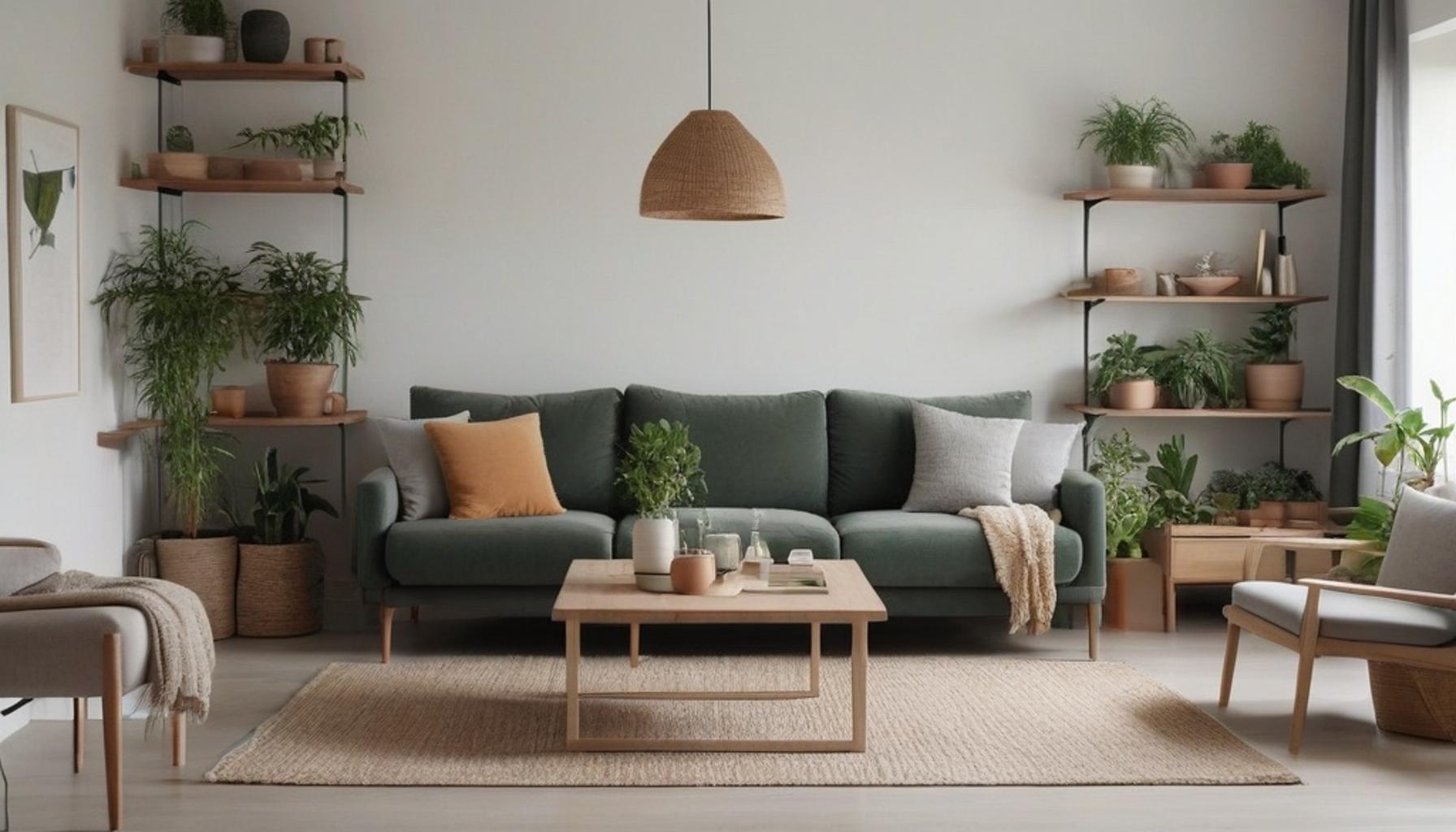
You’ll discover minimalist storage ideas ranging from vertical shelving to hidden compartments that seamlessly integrate into existing decor. Each solution is designed to maximize function without sacrificing style, demonstrating that living in less space does not mean compromising on aesthetic appeal.
Whether you’re settling into a compact city apartment or simplifying a family home, these effective storage solutions offer a clear path toward a more intentional, clutter-free way of living. In this exploration of small space organization, readers are encouraged to think creatively and adapt concepts to fit their unique living environments.
DIVE DEEPER: Click here for kitchen organization tips
Vertical Thinking: The Foundation of Smart Storage Solutions
Walk into any well-organized micro-apartment and you’ll notice something immediately: the eye travels upward. Maximizing small spaces starts with a simple mental shift—stop thinking about floor space and start thinking about cubic footage. Walls, once treated as mere boundaries, become prime real estate.
Professional organizers in cities like Chicago and San Francisco consistently point to vertical storage as the single most underused resource in American homes. Ceilings average 8 to 9 feet high, yet most furniture occupies only the bottom third of that space.
Practical Ways to Build Upward
Implementing minimalist storage ideas doesn’t require a renovation budget. Small, intentional changes can free up dramatic amounts of usable space. Consider these approaches that professional organizers recommend most often:
- Install floating shelves above desks, counters, and beds to store books, décor, or kitchen essentials without consuming floor area.
- Use tension rods inside cabinets to create stackable layers for cleaning supplies or cutting boards.
- Mount pegboards in kitchens or workspaces for tools, utensils, or craft supplies that would otherwise clutter drawers.
- Choose tall, narrow bookcases instead of wide, low ones to preserve walking space while increasing storage capacity.
- Add stackable bins in closets to double the usable storage without expanding the footprint.
These strategies reflect a core principle of small space organization: every surface should serve more than one purpose whenever possible.
The Psychology Behind Clutter-Free Living
There’s a reason minimalist lifestyle tips have surged in popularity across platforms like Pinterest and TikTok, where hashtags related to organization generate billions of views annually. Clutter has measurable effects on mental health. Research from Princeton University found that visual clutter competes for attention in the brain, making it harder to focus and process information efficiently.
This is precisely why effective storage solutions extend beyond aesthetics. They directly influence daily stress levels, productivity, and even sleep quality. A bedroom free of visual chaos, for example, has been linked to improved rest, according to sleep hygiene studies published by the National Sleep Foundation.
Understanding this connection between space and well-being sets the stage for exploring specific tools and techniques—many of which are surprisingly affordable and easy to implement in almost any American home, from a Brooklyn walk-up to a Phoenix bungalow.
| Category | Key Features & Benefits |
|---|---|
| Vertical Solutions | Utilizing wall space with shelves and hooks maximizes storage while keeping floor areas clear. This method enhances room perception and accessibility. |
| Multi-Functional Furniture | Items such as ottomans with hidden storage or foldable tables enable effective small space organization, creating flexible environments suitable for both living and working. |
| Underutilized Areas | Spaces like under beds, staircases, or above cabinets often remain empty. Clever use of these areas can significantly contribute to a minimalist lifestyle by reducing clutter. |
| Clear Containers | Using transparent organization bins allows for quick identification of items, making small spaces feel organized and preventing unnecessary purchases. |
DISCOVER MORE: Click here for tips on a clutter-free kitchen
Multi-Functional Furniture: Where Smart Storage Solutions Meet Everyday Living
Once vertical space has been claimed, the next frontier in maximizing small spaces is furniture that refuses to do just one job. Manufacturers like IKEA, West Elm, and smaller American startups such as Resource Furniture have built entire product lines around this concept, and the numbers show why: the average U.S. apartment has shrunk to roughly 887 square feet, according to RentCafe data, pushing consumers toward pieces that pull double or triple duty.
Furniture That Works Overtime
These aren’t gimmicks. They represent some of the most effective storage solutions available to renters who can’t knock down walls or install built-ins.
- Storage ottomans that hide blankets or seasonal clothing while doubling as coffee tables or extra seating for guests.
- Beds with built-in drawers underneath, eliminating the need for a separate dresser in studio apartments.
- Expandable dining tables that fold flat against a wall when not in use, common in New York City micro-units.
- Ottoman-style beds that lift entirely to reveal luggage-sized storage compartments.
- Nesting side tables that collapse into a single unit, freeing up living room floor space instantly.
This approach to small space organization mirrors what interior designers call “space stacking”—layering function on function rather than adding more objects.
The Hidden Cost of Ignoring Storage Design
Self-storage spending offers a revealing data point. The Self Storage Association reports Americans spend over $39 billion annually renting off-site units, often because their homes lack adequate internal storage. Much of that spending, organizers argue, could be redirected toward smarter furniture and layout choices instead.
Closets, too, deserve scrutiny. A standard reach-in closet wastes nearly 50 percent of its interior volume when only a single hanging rod is installed. Adding a second rod, shelving inserts, or over-the-door organizers can nearly double clothing capacity without touching the room’s footprint.
Adopting a Rotation Mindset
Beyond furniture, one of the most practical minimalist lifestyle tips involves seasonal rotation. Storing off-season clothing, holiday decorations, or sporting equipment in labeled bins under beds or atop wardrobes keeps daily-use items accessible while reducing visual clutter.
This rotation habit, borrowed from professional stagers preparing homes for sale, reinforces a simple truth: not everything needs to be visible or within arm’s reach at all times. Prioritizing accessibility based on frequency of use is central to any lasting minimalist storage ideas strategy, and it sets up the next consideration—how digital tools and smart technology are reshaping the way Americans track and manage their belongings.
Rethinking What “Home” Really Needs to Hold
From vertical shelving to furniture that moonlights as storage, the path toward maximizing small spaces is less about square footage and more about strategy. American households don’t need bigger apartments; they need smarter systems for what already fits inside them.
The numbers tell the real story. With average living spaces shrinking below 900 square feet and billions spent annually on off-site storage units, the case for rethinking interior design has never been stronger. Smart storage solutions aren’t a passing trend—they’re a direct response to how Americans are actually living now.
Small Changes, Measurable Results
Consider what’s been covered: wall-mounted shelving that reclaims unused vertical inches, ottomans and bed frames that double as hidden compartments, and closet upgrades that nearly double storage capacity without expanding a single wall. None of these require a renovation budget or a larger lease.
What they do require is intention. Small space organization succeeds when every object earns its place, and every piece of furniture justifies its footprint by doing more than one job.
Minimalism as an Ongoing Practice, Not a One-Time Project
Perhaps the most overlooked point is that this isn’t a project with a finish line. Seasonal rotation, periodic decluttering, and reassessing what deserves prime real estate in a closet or under a bed are habits, not tasks to check off once.
Homeowners and renters who treat minimalist lifestyle tips as an evolving practice—rather than a weekend overhaul—tend to sustain their results longer. Spaces stay functional because the system adapts as needs change.
Looking ahead, the next layer of innovation may come from technology: apps that track stored items, inventory systems for seasonal bins, and smart labels that eliminate guesswork entirely. For now, though, the fundamentals remain the same. Thoughtful minimalist storage ideas and effective storage solutions don’t just save space—they save time, money, and the daily friction of living somewhere that never quite feels big enough.
Frequently Asked Questions
What are some effective smart storage solutions for small apartments?
For small apartments, consider utilizing vertical space by installing shelves and cabinets that reach up to the ceiling. Multi-functional furniture, such as ottomans with hidden storage or sofa beds, can significantly maximize space. Additionally, using under-bed storage bins can help keep items out of sight yet easily accessible.
How can I organize my closet using smart storage solutions?
Start by decluttering and donating items you no longer wear. Then, use slim hangers to save space, and add shelf dividers or hanging organizers for shoes and accessories. Consider utilizing vertical dividers or stacking bins to create a more efficient use of your closet’s height.
Are there DIY smart storage solutions that I can try at home?
Yes, you can create your own smart storage solutions by repurposing items around your home. For example, old wooden crates can be stacked to create stylish shelving units, and tension rods can be used to hang cleaning supplies under sinks. Additionally, pegboards can be mounted on walls for organizing tools or crafting materials.
What are some innovative smart storage solutions for small kitchens?
In small kitchens, consider using magnetic strips to hold utensils or knives to free up drawer space. Stackable containers can optimize pantry storage, while hooks and rails can keep pots and pans organized and within reach. Using the inside of cabinet doors for small storage solutions can also maximize otherwise wasted space.

Beatriz
Beatriz Johnson is a seasoned minimalist and writer with a passion for simplifying the complexities of personal organization and intentional living. With over a decade of experience in decluttering strategies and mindful consumption, she specializes in topics like space optimization, habit simplification, and sustainable lifestyle choices. Through her work on our website, Beatriz empowers readers to embrace minimalism, reduce mental and physical clutter, and create more meaningful, organized lives in today's fast-paced world.