The Minimalist Mindset: Embracing Intentional Living through Home Organization

Why Less Is Becoming America’s New Definition of More
In today’s fast-paced world, many Americans are finding a refreshing notion of well-being through the lens of simplification. The burgeoning minimalist mindset transcends mere aesthetics, such as empty rooms or stark white walls; it encapsulates a comprehensive philosophy that transforms how individuals interact with their possessions, manage their time, and experience their living spaces.
Recent surveys reveal that over 60% of U.S. households face an overwhelming sense of clutter, significantly affecting their mental well-being and overall satisfaction. While the burden of possessions grows heavier, a mere fraction of these households understand how to declutter effectively. This frustration has sparked a national trend towards decluttering and embracing habits grounded in intentional living. Individuals are increasingly seeking ways to cut through the chaos, thereby fostering environments that promote mindfulness and clarity.
What This Article Will Explore
This piece will delve into the intricate connection between mindset and living space, demonstrating how even small adjustments can lead to substantial changes in one’s quality of life. Expect practical strategies rather than esoteric theories, designed to empower you in your journey towards simplification.
- The psychology behind living with less and its positive effects on stress reduction.
- Step-by-step room-by-room home organization tips anyone can implement today.
- Debunking common myths surrounding the minimalist lifestyle.
- How making intentional choices can yield savings in money, time, and mental energy.
To illustrate the transformative power of a minimalist approach, consider the story of Sarah, a young professional from Chicago. Overwhelmed by a collection of luxury items, clothes, and gadgets that rarely see the light of day, she began her decluttering journey with one small closet. Once she embraced the philosophy of “only keeping what sparks joy,” she felt a sense of liberation that extended far beyond her physical space into her emotional well-being.
Additionally, research shows that individuals engaged in minimalism often report lower levels of anxiety and greater life satisfaction. This shift towards simplicity does not require a complete upheaval of one’s lifestyle; it is about finding a balance that resonates with individual values and desires. For instance, instead of collecting more items, many are focusing on experiences, fostering connections, and investing in personal growth.
Whether your aim is a full lifestyle overhaul or the simple task of tidying up a junk drawer, this guide serves as a foundational starting point. Remember, the intent is not perfection but rather progress toward achieving a home and life that truly reflect your authentic self.
DIVE DEEPER: Click here to discover more about a clutter-free kitchen
The Psychology Behind Living with Less
Understanding the minimalist mindset begins with recognizing how clutter physically manifests as mental noise. According to groundbreaking research from Princeton University’s Neuroscience Institute, cluttered environments compete for our attention, which ultimately diminishes our capacity to focus and process information effectively. For instance, when your kitchen counter is stacked high with unopened bills and the remnants of yesterday’s meals, or your closet overflows with clothes you haven’t touched in years, your brain registers this disarray as unfinished business. Instead of directing your cognitive resources towards productive tasks, your mind is weighed down by reminders of what needs to be done.
This constant visual reminder has significant implications for mental well-being, triggering a low-grade stress response that can be all-consuming. As cortisol levels rise—often referred to as the “stress hormone”—individuals may find themselves more irritable and anxious. Over time, this exposure to chaos can foster feelings of anxiety and even lead to depression. Interestingly, many Americans report a profound sense of relief after engaging in a thorough decluttering session, often describing it as “finally being able to breathe.” This reaction sheds light on the emotional psychology behind physical spaces and highlights the importance of a serene environment for mental clarity.
The Science of Simplification
A study published in the Personality and Social Psychology Bulletin discovered that individuals who described their homes as cluttered or filled with half-finished projects reported levels of fatigue and depression significantly higher than those who viewed their living spaces as restful and restorative. This fascinating connection between physical space and emotional health lies at the heart of why intentional living has gained substantial traction across the United States and beyond.
Beyond emotional well-being, tangible cognitive benefits accompany the adoption of a minimalist lifestyle. Consider the effects frequently reported by those who commit to decluttering their lives:
- Improved decision-making: With fewer items to sift through, the daily routine becomes less taxing. For example, those who choose a capsule wardrobe streamline their outfit decisions, effectively reducing decision fatigue.
- Enhanced focus: According to various studies, a clean and organized workspace dramatically correlates with increased productivity and creativity, often resulting in shorter project timelines and a greater sense of accomplishment.
- Better sleep quality: Bedrooms that are free of clutter often lead to deeper, more restorative sleep cycles. A serene space can create an environment conducive to relaxation and rest, essential for overall health.
- Stronger financial discipline: Embracing mindfulness in consumption habits naturally curbs impulsive spending, leading to better budgeting and financial stability.
These findings hint at the compelling reality that decluttering your home is not merely a superficial endeavor; it’s a legitimate strategy for improving overall quality of life. The ripple effects extend far beyond physical spaces, influencing relationships, workplace performance, and even physical health. Stress reduction from a decluttered environment often correlates with lower blood pressure and improved immune function.
What is particularly striking about the minimalist approach is that it does not necessitate drastic sacrifice. Instead, it encourages individuals and families to reassess their priorities, inviting them to ask a simple but profound question: does this item, commitment, or habit add genuine value to my life? For many, answering this query honestly becomes the crucial first step toward lasting transformation, offering peace of mind and clarity in an otherwise chaotic world. Embracing minimalism can become a path to not just a cleaner home, but a more fulfilling existence overall.
DISCOVER MORE: Click here for expert tips on kitchen organization
Practical Strategies for Room-by-Room Home Organization
Once the psychological groundwork is understood, the next logical step involves translating theory into action. Many Americans stumble at this stage, overwhelmed by where to begin. The solution lies in approaching home organization methodically, tackling one space at a time rather than attempting a whole-house overhaul in a single weekend.
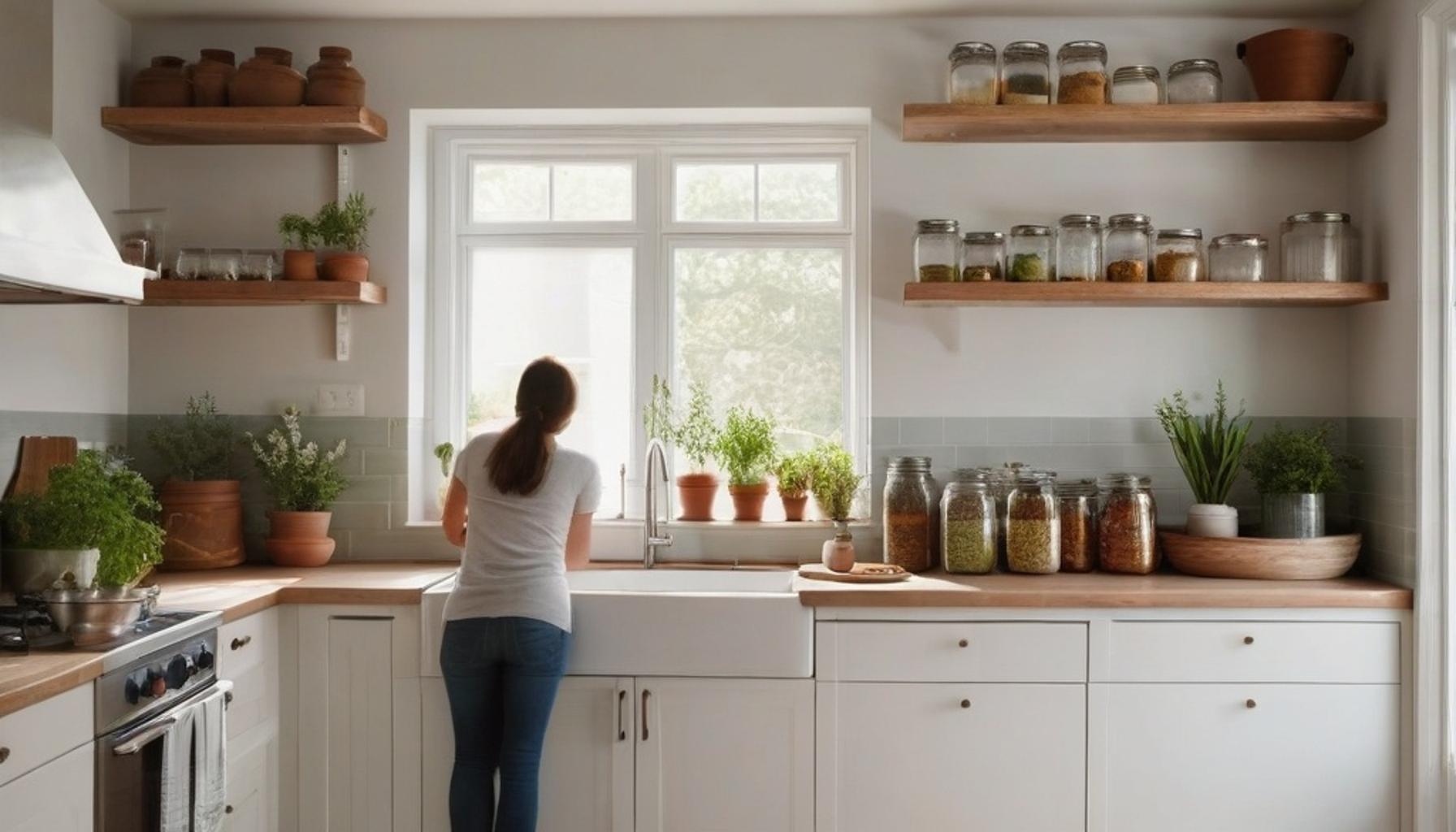
The kitchen often serves as an ideal starting point, given its status as the most frequently used room in American households. According to a 2022 survey by the National Association of Productivity and Organizing Professionals (NAPO), households that decluttered their kitchens reported a 34 percent increase in time spent preparing home-cooked meals, likely because accessible, organized spaces reduce the friction associated with cooking.
Room-Specific Approaches Worth Trying
Different spaces demand different strategies. Consider these targeted approaches:
- Kitchen: Apply the “one-year rule” to gadgets and appliances—if a specialty item like a panini press hasn’t been used in twelve months, it’s likely safe to donate or sell.
- Bedroom closets: Try the hanger-flip method, turning all hangers backward at the season’s start and flipping them forward only after wearing an item. Within six months, unflipped hangers reveal exactly what’s not earning its space.
- Home office: Digitize paperwork whenever possible. The average American office worker still handles roughly 10,000 sheets of paper annually, according to industry estimates, much of which could exist digitally.
- Living room: Limit decorative surfaces to items that serve a purpose or spark genuine joy, avoiding the trap of accumulating knickknacks purely out of habit.
These home organization tips share a common thread: they force intentional decision-making rather than passive accumulation. This is the essence of living with less—not deprivation, but deliberate curation.
The 90/90 Rule and Other Decision-Making Frameworks
Minimalist coaches across the country frequently reference the “90/90 rule” as a practical litmus test. The premise is simple: if an item hasn’t been used in the past 90 days and you can’t envision using it within the next 90, it’s a strong candidate for removal.
Similarly, the concept of “one in, one out” has gained popularity among families adopting a minimalist lifestyle. For every new item brought into the home, an existing item must leave, effectively creating a natural ceiling on accumulation without requiring dramatic, all-at-once purges.
Los Angeles-based professional organizer Marie Chen notes that clients who adopt these frameworks often experience a shift in mindset within weeks. “People stop asking ‘do I want this?’ and start asking ‘does this deserve space in my home?'” she explains. That subtle reframing, according to Chen, is often the turning point where decluttering your home transforms from a chore into a sustainable habit rooted in genuine intentionality.
Bringing It All Together: A Lasting Minimalist Mindset
Adopting a minimalist mindset is rarely about achieving a picture-perfect, sparsely furnished home overnight. Instead, it’s a gradual recalibration of how Americans relate to their possessions, their space, and ultimately, their time.
Throughout this exploration, one theme has remained constant: intentional living requires ongoing decision-making rather than a single dramatic purge. The kitchen strategies, closet systems, and decision-making frameworks discussed all point toward the same conclusion—sustainable change happens through small, repeatable habits rather than sweeping gestures.
What Comes Next
For those ready to begin, the path forward doesn’t require perfection. Start with one drawer, one shelf, or one closet. Apply the 90/90 rule. Try the hanger-flip method for a full season. Track the results.
Consider these takeaways when moving forward:
- Progress matters more than speed—methodical, room-by-room efforts outperform rushed weekend overhauls.
- Home organization tips work best when tailored to how a space actually gets used, not how it’s supposed to look.
- Decluttering your home is an ongoing practice, not a one-time event with a finish line.
- Frameworks like “one in, one out” build lasting habits without requiring constant willpower.
Perhaps the most compelling argument for living with less isn’t aesthetic at all—it’s the measurable return of time, mental clarity, and even money that so many households report after simplifying their spaces. The NAPO data on kitchen decluttering alone suggests that organized spaces don’t just look better; they change behavior.
As more Americans experiment with a minimalist lifestyle, the movement continues to evolve beyond aesthetics into something closer to a philosophy of everyday living. Whether that means fewer kitchen gadgets, digitized paperwork, or simply asking better questions before a purchase, the underlying invitation remains the same: to live with greater purpose, one deliberate choice at a time.
Frequently Asked Questions
How can adopting a minimalist mindset benefit my mental health?
Adopting a minimalist mindset can lead to reduced anxiety and stress by decluttering both your physical and mental space. A simpler environment can promote focus and clarity, helping you prioritize what truly matters in your life and enhancing your overall well-being.
What are some practical steps to start implementing a minimalist mindset at home?
Begin by decluttering one area of your home at a time, focusing on items that no longer serve a purpose or bring you joy. Implement the one-in-one-out rule by removing one item for every new item that comes in, and embrace conscious purchasing to avoid future clutter.
How does intentional living relate to home organization in a minimalist lifestyle?
Intentional living emphasizes making conscious choices that align with your values, including how you organize your home. A minimalist home organization fosters an environment that reflects your priorities, making it easier to focus on what enriches your life rather than what distracts from it.
Can a minimalist mindset help me save money, and if so, how?
Yes, embracing a minimalist mindset often leads to significant savings as you become more mindful of your spending habits. By prioritizing quality over quantity and avoiding impulse purchases, you can reduce unnecessary expenses and invest in items that add true value to your life.
What psychological challenges might I face when trying to adopt a minimalist mindset?
Transitioning to a minimalist mindset may trigger feelings of attachment to belongings, making it difficult to let go of items you’ve accumulated over the years. It’s important to approach the process with patience and self-compassion, recognizing that it’s a personal journey that can take time to navigate.

Beatriz
Beatriz Johnson is a seasoned minimalist and writer with a passion for simplifying the complexities of personal organization and intentional living. With over a decade of experience in decluttering strategies and mindful consumption, she specializes in topics like space optimization, habit simplification, and sustainable lifestyle choices. Through her work on our website, Beatriz empowers readers to embrace minimalism, reduce mental and physical clutter, and create more meaningful, organized lives in today's fast-paced world.