Intentional Living: Designing Your Minimalist Home with Multifunctional Furniture
In recent years, a significant shift has occurred in how Americans view their living spaces. Nearly 45% of U.S. renters are now residing in homes that measure under 1,000 square feet, as revealed by recent housing data. This growing trend has sparked a nationwide interest in minimalist home design, with many individuals beginning to prioritize function and purpose over sheer size.
Intentional living has moved beyond mere aesthetics; it has become a lifestyle for many seeking to escape from the chaos that cluttered environments can induce. With limited space, people are redefining what it means to have a ‘home.’ They are looking for layouts that optimize every corner, eschewing the notion of filling spaces with items they rarely use. Instead, they are aiming for environments that foster peace and efficiency.
The Rise of Furniture That Does Double Duty
This shift has given rise to multifunctional furniture ideas that cater to the needs of these smaller spaces while adding a touch of style. These innovative pieces help maximize utility without sacrificing aesthetics. For example:
- A storage ottoman that not only provides a cozy spot to kick up your feet but also discreetly stores blankets, games, or even magazines.
- A murphy bed can create a functional bedroom that seamlessly transforms into a dedicated home office by day, integrating a workspace without permanently sacrificing bedroom space.
- A fold-down dining table can transform into a sleek console, saving space and allowing for flexibility when entertaining or relaxing at home.
These multifunctional solutions do more than conserve space; they reflect a broader philosophy regarding modern living. The emphasis has shifted away from accumulation towards thoughtful living and design choices that align with one’s lifestyle.
What This Article Will Explore
This guide seeks to provide practical intentional living tips for individuals eager to simplify their lives. You can expect a range of real strategies aimed at designing small spaces that feel open, inviting, and functional rather than constricted.
Additionally, we will explore how to select minimalist home furniture that earns its spot in your home and how home decor minimalism can reinvigorate a cluttered apartment, transforming it into a serene, organized retreat. The overarching goal is clear: to embrace the philosophy of fewer possessions for a better, more fulfilling living experience.
DIVE DEEPER: Click here for expert tips on kitchen organization
Understanding the Foundations of Minimalist Home Design
Before diving into furniture and layouts, it helps to understand what actually defines minimalist home design. It isn’t about living with bare walls or empty rooms. Rather, it’s about curating a space where every item serves a clear purpose, and nothing exists simply to fill a gap.
According to a 2023 survey by the American Home Furnishings Alliance, 62% of homeowners under 35 reported actively seeking furniture that offers more than one function. This statistic underscores a cultural pivot: Americans are no longer satisfied with owning things just because they can. They want purpose behind every purchase.
Why Smaller Spaces Are Driving Bigger Design Decisions
Cities like New York, San Francisco, and Boston have long been familiar with compact apartment living. However, this trend has now spread into suburban and mid-sized markets across the country, from Austin to Denver. As rent prices climb and square footage shrinks, residents are forced to get creative.
This is where the concept of designing small spaces becomes essential. It’s not just about squeezing furniture into a room; it’s about rethinking how a room functions altogether. A living room can double as a workspace. A hallway nook can become a reading corner. Every square foot is treated as an opportunity rather than a limitation.
Some of the most effective strategies for maximizing small spaces include:
- Choosing furniture with hidden storage compartments, such as beds with built-in drawers.
- Opting for vertical storage solutions like wall-mounted shelves instead of bulky bookcases.
- Selecting nesting tables that can be tucked away when not in use.
- Using modular sofas that can be reconfigured based on the occasion.
These aren’t just clever tricks; they represent a fundamental shift in how people are approaching their homes. The goal is efficiency without sacrificing comfort or style.
The Psychological Payoff of Simplified Spaces
Beyond the practical benefits, there’s a psychological component driving this movement. Research published by the Journal of Environmental Psychology found that cluttered environments can increase cortisol levels, the hormone associated with stress. Conversely, tidy, intentional spaces have been linked to improved focus and a greater sense of calm.
This is precisely why intentional living tips often emphasize decluttering as a starting point rather than an afterthought. When individuals reduce visual noise, they often report feeling more in control of their daily routines and mental well-being.
| Key Aspect | Description |
|---|---|
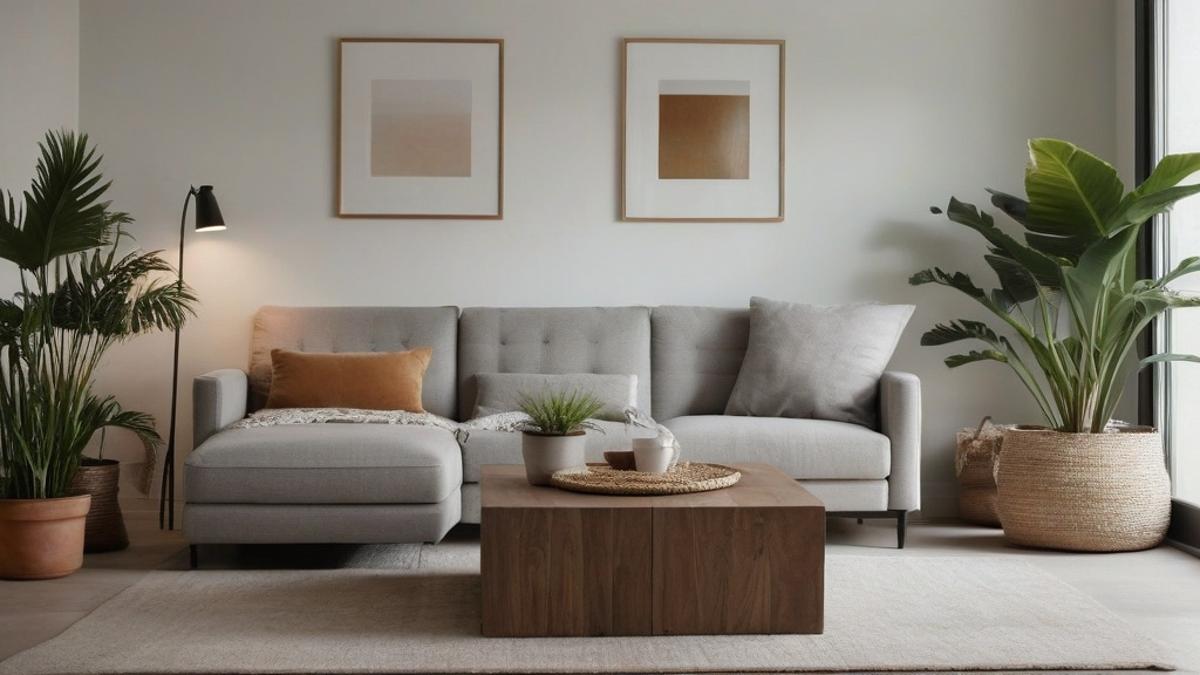
| Multifunctional Furniture Ideas | From sofa beds to storage ottomans, multifunctional furniture allows you to maximize utility without overcrowding your minimalist home design. |
| Space Optimization | Using pieces that serve dual purposes can dramatically improve designing small spaces. It promotes intentional living by reducing clutter and enhancing functionality. |
| Sustainable Choices | Opting for sustainable, high-quality materials in your minimalist home furniture supports eco-friendly practices while ensuring longevity of functionality and style. |
DIVE DEEPER: Click here for clutter-free kitchen tips
Multifunctional Furniture Ideas Reshaping the American Home
Walk into any furniture showroom from Ikea to West Elm, and you’ll notice a pattern emerging. Pieces are no longer designed to do one job. A coffee table might lift into a desk. A bench might unfold into a guest bed. This shift represents the practical backbone of minimalist home design.
The furniture industry has taken notice. Wayfair reported that searches for “convertible furniture” rose by 78% between 2021 and 2023, a signal that consumers aren’t just window shopping. They’re actively investing in pieces that adapt to their lifestyles rather than dictate them.
Standout Pieces Worth Considering
Not all multifunctional furniture is created equal. Some pieces genuinely transform how a room operates, while others are simply marketing gimmicks. Here are examples that consistently earn praise from interior designers and homeowners alike:
- Murphy beds paired with built-in shelving, ideal for studio apartments in cities like Chicago or Seattle.
- Ottomans with removable lids that double as storage bins for blankets or seasonal items.
- Dining tables with drop-leaf designs that expand for guests and shrink for everyday use.
- Daybeds that function as sofas during the day and sleeping quarters at night.
- Storage stairs, popular in loft-style homes, that use the space beneath each step as a drawer.
These aren’t niche products anymore. Major retailers like Pottery Barn and Crate & Barrel now dedicate entire sections of their catalogs to minimalist home furniture that solves space problems without compromising aesthetics.
The Financial Logic Behind Buying Less, But Better
There’s also an economic argument fueling this movement. The average American household spends approximately $1,700 annually on furniture and home goods, according to the Bureau of Labor Statistics. When items serve dual purposes, that spending stretches further.
Instead of purchasing a separate desk, storage unit, and guest bed, a single well-designed piece can absorb all three roles. This approach aligns closely with broader home decor minimalism principles, where quality and versatility take precedence over quantity.
Interior designers in Los Angeles and Portland have reported growing client requests for custom-built multifunctional pieces, particularly for accessory dwelling units, or ADUs, which have surged in popularity across California and Oregon. These compact backyard homes rely almost entirely on furniture that can shift roles depending on the hour.
DISCOVER MORE: Click here for kitchen organization tips
Rethinking What Home Really Needs
Across the country, from tight Brooklyn walk-ups to sprawling Austin ADUs, the same question keeps surfacing: how much furniture does a home actually require to function well? The answer, increasingly, points toward fewer pieces doing more work.
Intentional living isn’t about deprivation. It’s about matching what you own to how you actually live, day by day, room by room. The examples covered throughout this piece, from storage stairs to drop-leaf tables, show that minimalist home design has moved well past aesthetics alone. It’s now a practical response to rising square-foot costs and shrinking urban floor plans.
Practical Steps Forward
Anyone ready to start can take a few manageable steps:
- Audit current furniture and identify pieces serving only one purpose.
- Prioritize replacements that solve at least two space problems at once.
- Measure rooms carefully before shopping, since convertible furniture often has specific clearance needs.
- Visit showrooms in person when possible to test folding mechanisms and weight capacity.
These small, deliberate choices add up. They reflect the same logic driving intentional living tips shared by designers nationwide: buy less, choose better, and let each piece earn its place.
As housing costs continue climbing in cities like Denver, Boston, and San Francisco, the appeal of designing small spaces with adaptable furniture will likely keep growing. What started as a niche design trend now looks like a lasting shift in how Americans furnish their lives, one flexible, thoughtful piece at a time.
Frequently Asked Questions
What are the best multifunctional furniture pieces for a minimalist home design?
Some of the best multifunctional furniture pieces for a minimalist home include sofa beds, extendable dining tables, and ottomans with storage. Investing in items that serve dual purposes can enhance the functionality of your space while maintaining a clean aesthetic. Additionally, nesting tables or wall-mounted desks can save space and keep your living areas organized.
How can I create a minimalist home design without sacrificing comfort?
Creating a minimalist home design doesn’t mean you have to compromise on comfort. Choose high-quality, versatile furniture that feels inviting, such as cozy upholstered sofas and ergonomic chairs. Layering textures with rugs and cushions can add warmth without cluttering your space, allowing you to maintain a comfortable yet simple environment.
What color palette works best for a minimalist home with multifunctional furniture?
A neutral color palette works best for a minimalist home, as it promotes a sense of calm and openness. Shades like white, gray, beige, and soft pastels can create a cohesive backdrop for your multifunctional furniture. Adding pops of color through accessories or plants can enhance visual interest while keeping the overall design clean and uncluttered.
How do I effectively organize my minimalist home with limited storage options?
To effectively organize a minimalist home with limited storage, prioritize decluttering and only keep items that serve a purpose or bring joy. Utilize multifunctional furniture with built-in storage capabilities, such as beds with drawers or coffee tables with shelves. Additionally, consider vertical storage solutions to maximize space, like wall-mounted shelves or hooks for frequently used items.

Beatriz
Beatriz Johnson is a seasoned minimalist and writer with a passion for simplifying the complexities of personal organization and intentional living. With over a decade of experience in decluttering strategies and mindful consumption, she specializes in topics like space optimization, habit simplification, and sustainable lifestyle choices. Through her work on our website, Beatriz empowers readers to embrace minimalism, reduce mental and physical clutter, and create more meaningful, organized lives in today's fast-paced world.