The Minimalist Mindset: Decluttering Techniques for a Stress-Free Home
Understanding the Impacts of Clutter
The average American household contains over 300,000 items, according to organizational experts, and this staggering number extends beyond being merely a storage issue. It presents a significant stress problem as well. Research from Princeton University indicates that visual clutter competes for brain attention, with detrimental effects on our ability to focus and relax. The constant presence of disorganized spaces can foster anxiety, reduce productivity, and even impact overall mental well-being.
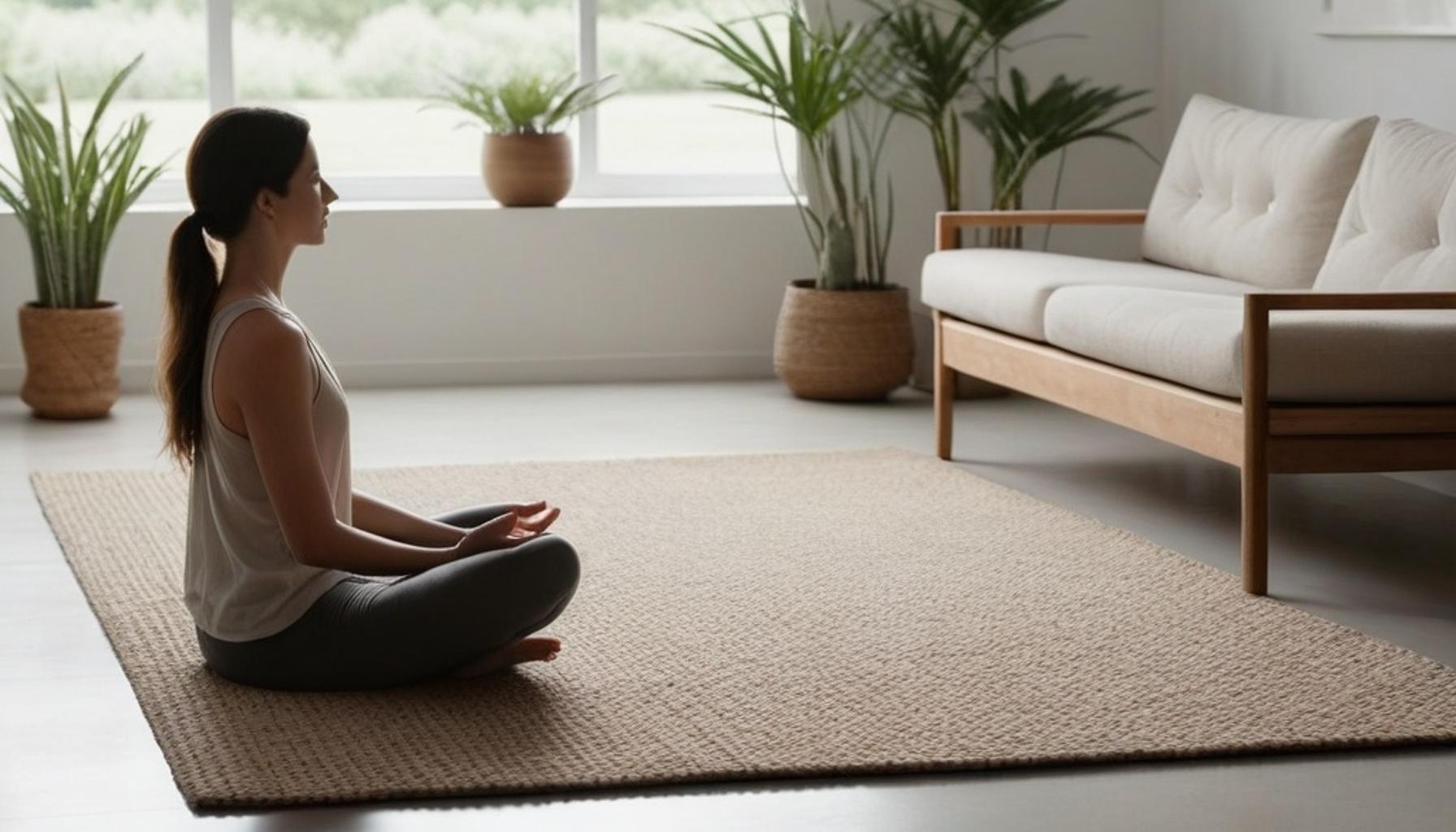
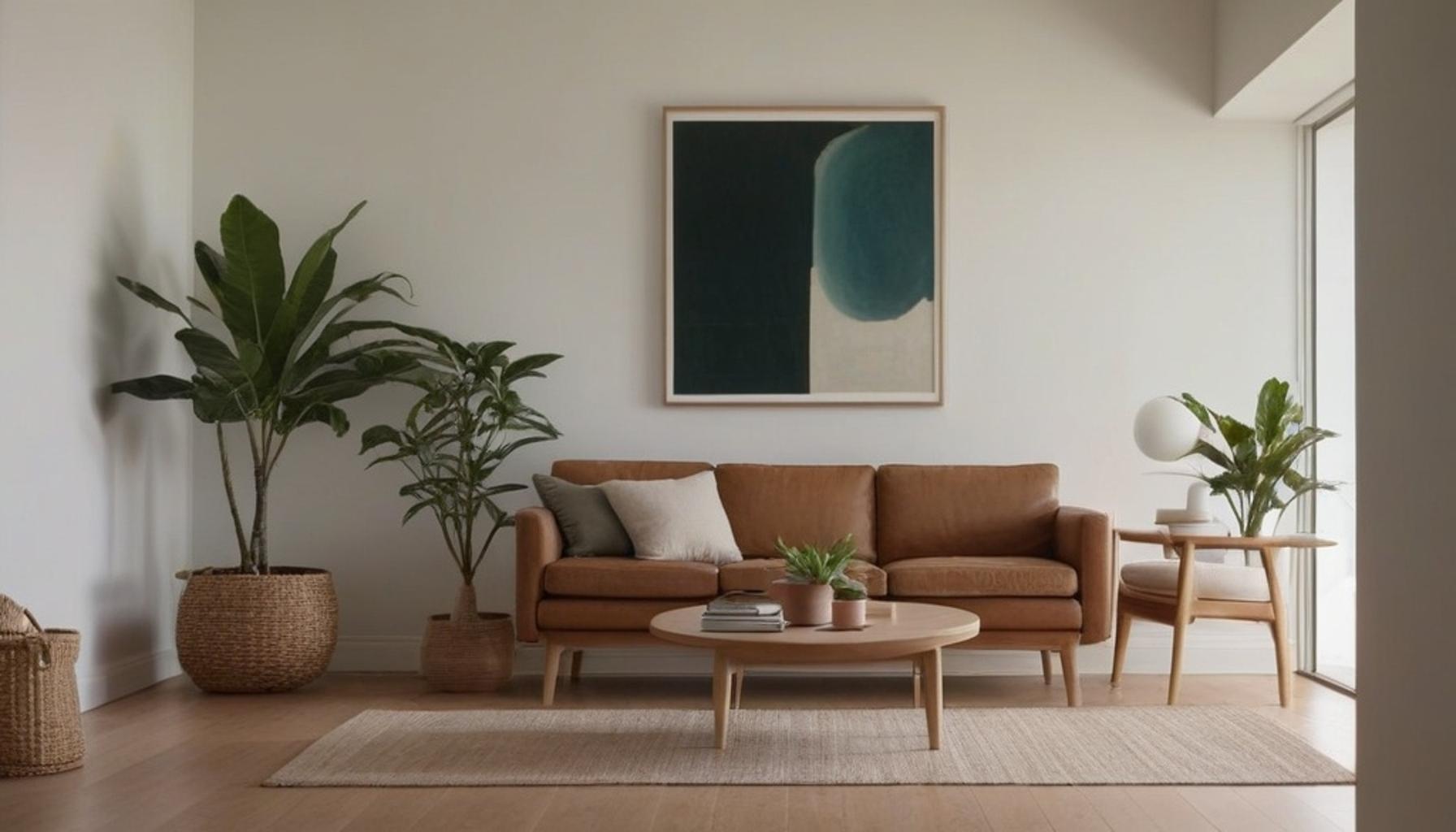
Enter the minimalist mindset: a conscious shift in thinking that prioritizes intention over accumulation. Minimalism is not about living in an austere, sterile environment devoid of character; rather, it encourages living with purpose—surrounding oneself with items that truly enhance our lives. This philosophy allows individuals to reclaim their space, time, and peace.
Key Areas to Explore
Adopting minimalism lifestyle principles can be transformational, transforming chaotic homes into tranquil sanctuaries. Below, we explore practical strategies that you can start using today to declutter and cultivate a serene environment.
- Proven decluttering techniques used by professional organizers can help you tackle areas in your home that feel overwhelming. For example, the “One In, One Out” rule encourages you to remove one item for each new item you bring into your home.
- Simple stress-free home tips can benefit every room, from closets brimmed with clothes to kitchens packed with gadgets. Begin by categorizing items and purging those that do not align with your current lifestyle.
- Methods for organizing your space do not require expensive bins or elaborate systems. Simple solutions like clear containers or repurposed jars can keep items visible and accessible.
- Mindset shifts will facilitate an easier decluttering process. Instead of viewing decluttering as a daunting chore, consider it an opportunity for self-reflection and a way to create more space for the things that matter most.
As you embark on this journey, whether you are grappling with an overstuffed closet or a kitchen filled with seldom-used gadgets, remember to ask yourself one crucial question: Does this item add value to my life? This introspective query forms the bedrock for everything that follows in your decluttering efforts.
Prepare to discover how small, intentional changes can lead to a home that feels lighter, calmer, and entirely reflective of your unique personality. A well-curated space fosters creativity and joy, laying the groundwork for a more fulfilling life. Embrace the transformation and let your surroundings support your well-being.
DISCOVER MORE: Click here for expert tips on creating a clutter-free kitchen
The Room-by-Room Approach: Starting Small to Achieve Big Results
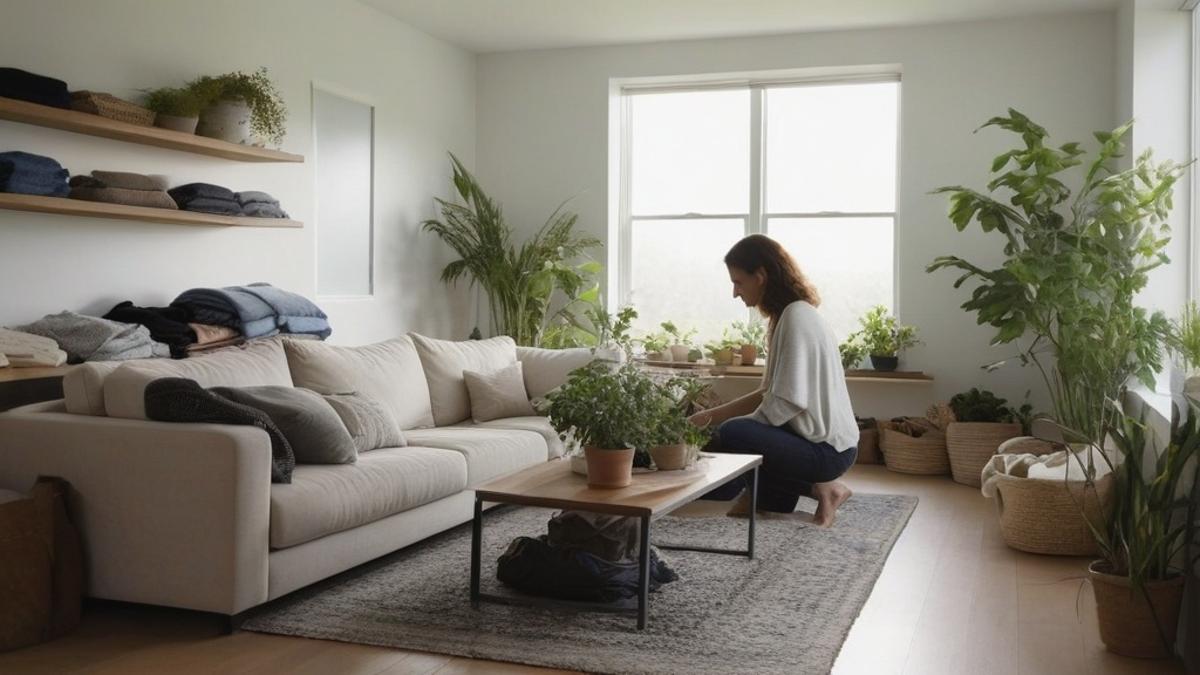
Taking on an entire house decluttering project in one go often leads to burnout and frustration. This has been a widely acknowledged concern among professional organizers across the United States, who advocate a more methodical approach: focusing on one room, or even one specific area, at a time. This strategy not only transforms what feels like an unmanageable task into a series of achievable mini-goals but also generates a sense of accomplishment that builds momentum for continued success.
The minimalist mindset thrives on embracing this incremental philosophy. Rather than viewing decluttering as a daunting, singular exercise to be completed over a weekend, consider it as an ongoing practice that can be seamlessly integrated into your daily life. Research conducted by various professional organizing associations indicates that individuals who tackle decluttering in short, focused sessions tend to maintain their organized spaces better over the long haul. Those who aspire to achieve a clutter-free home often find that smaller, consistent actions lead to sustainable and enduring transformations.
Where to Begin: High-Impact Zones
When beginning your decluttering journey, it can be especially effective to identify and focus on areas in your home that typically accumulate clutter at a faster rate. Concentrating your initial efforts here can yield noticeable results that reinforce motivation early on in the process.
- Entryways and mudrooms: These areas quickly become catch-alls for shoes, mail, bags, and even jackets. By clearing out these spaces first, you can create an immediate sense of serenity the moment you enter your home, which sets a positive tone for the rest of your space.
- Kitchen counters: This area is infamous for gathering various appliances, errant papers, and miscellaneous items that don’t belong. By removing anything that isn’t used on a daily basis, the kitchen can transform into a more functional workspace, making meal preparation a more enjoyable experience.
- Bedroom closets: Statistically, the average American wears only about 20 percent of their wardrobe regularly. This means that the remaining 80 percent usually remains untouched, contributing to a feeling of overwhelm and disarray. Decluttering your closet can help you rediscover your favorite pieces and ensure you only keep what truly serves you.
- Bathroom cabinets: These often contain expired products, duplicates, or items that are rarely used. A careful examination of what lurks behind the cabinet doors can free up valuable storage space and make your daily routines more efficient.
Once you have pinpointed your starting point, applying consistent decluttering techniques becomes significantly easier. One such method gaining traction is the “Four-Box Method,” where every item is sorted into four distinct categories: keep, donate, sell, or toss. This approach effectively removes the paralysis that often accompanies organizing efforts, allowing you to make decisive choices about your possessions.
Setting Realistic Timeframes
Experts suggest dedicating just 15 to 20 minutes daily to a specific area rather than planning an exhausting all-day session. This practical strategy dovetails seamlessly with a sustainable minimalism lifestyle, making the decluttering process feel less like a burdensome chore and more like a positive, manageable habit.
Consistent, small actions can compound over time. After just a few weeks, those brief daily sessions can culminate in a noticeably lighter and more organized home—demonstrating that you don’t need drastic measures or disruptive changes to achieve meaningful results. As you progressively embrace the minimalist mindset, you may find that the satisfaction of living in a harmonious space enhances not only the aesthetic of your home but also your overall well-being.
EXPLORE MORE: Click here for tips on creating a clutter-free kitchen
# Beyond Physical Space: The Psychology and Systems Behind Lasting ChangeWhile clearing out closets and countertops delivers visible progress, the deeper work of adopting a minimalist mindset happens on a psychological level. Understanding why we accumulate clutter in the first place can be just as important as the physical act of removing it.Behavioral researchers have identified a phenomenon called the “endowment effect,” which explains why people tend to overvalue items simply because they own them. This cognitive bias makes letting go of possessions feel disproportionately difficult, even when an object serves no practical purpose. Recognizing this psychological trap can help homeowners approach their belongings with more objectivity and less emotional resistance.## The One-In, One-Out RuleMany organizing consultants across the country recommend a straightforward maintenance strategy: for every new item brought into the home, one existing item must leave. This simple rule prevents the slow creep of clutter that often undoes previous decluttering efforts.Applying this principle consistently supports a sustainable minimalism lifestyle without requiring constant, intensive reorganization. It transforms decluttering from a one-time event into an ongoing habit woven into everyday decisions.
- Clothing purchases: When buying a new sweater, donate or discard an older piece that no longer fits your style or needs.
- Kitchen gadgets: Before adding another appliance to already-crowded cabinets, evaluate whether an existing tool can be retired.
- Children’s toys: Rotating toys in and out helps manage the volume that accumulates through gifts and seasonal purchases.
## Digital Clutter Deserves Attention TooDiscussions about decluttering techniques often focus exclusively on physical belongings, yet digital clutter creates its own form of mental burden. Overflowing email inboxes, disorganized photo libraries, and cluttered desktop screens contribute to the same sense of chaos as a messy closet.A study published by a major technology research firm found that the average American receives over 100 emails daily, with many left unread or unsorted for months. Setting aside time to unsubscribe from unnecessary newsletters and organize digital files can meaningfully reduce daily stress levels.## The 30-Day Minimalism ChallengeFor those seeking a more structured approach to organizing your space, the “30-Day Minimalism Game” has gained popularity nationwide. Participants remove one item on day one, two items on day two, and continue increasing the count daily throughout the month.By day thirty, this method typically results in the removal of over 400 items, illustrating how incremental efforts can produce substantial transformation. This gamified approach appeals particularly to those who respond well to structure and measurable progress.## Creating Systems That Prevent Future ClutterUltimately, the goal extends beyond a single decluttering session. Establishing designated homes for frequently used items, implementing regular ten-minute tidying routines, and periodically reassessing possessions all contribute to spaces that remain functional long after the initial effort.These stress-free home tips emphasize prevention over repeated intervention, ensuring that the peace gained through decluttering becomes a permanent fixture rather than a temporary state.
DISCOVER MORE: Click here to find tips for a clutter-free kitchen
Final Thoughts: Building a Home That Supports Your Peace of Mind
Adopting a minimalist mindset is not about achieving a stark, empty house or following a rigid set of rules. Instead, it’s about creating an environment that reflects genuine priorities rather than accumulated obligations. From understanding the endowment effect to implementing the one-in, one-out rule, the strategies explored throughout this article share a common thread: intentionality trumps volume.
Across the United States, households are discovering that decluttering techniques extend far beyond tidying up for guests. They involve rethinking relationships with possessions, digital habits, and daily routines. Whether someone tackles the 30-Day Minimalism Challenge or simply commits to a ten-minute nightly reset, the underlying goal remains consistent: reducing friction in everyday life.
It’s worth remembering that a minimalism lifestyle looks different for every household. A family with young children will approach toy rotation differently than a remote worker managing digital clutter across multiple devices. There is no single formula, only a flexible set of principles that can be adapted to individual circumstances.
What ties these approaches together is the recognition that organizing your space is an ongoing practice rather than a finite project. Clutter tends to return unless supported by sustainable systems and periodic reassessment.
For readers ready to begin, the most practical stress-free home tips often start small: choose one drawer, one shelf, or one inbox folder. Momentum builds from there.
Ultimately, those who commit to minimalist living often report benefits extending beyond tidier homes, including improved focus and reduced daily anxiety. As more research emerges on the connection between physical environment and mental well-being, the case for taking the first step to declutter your home becomes increasingly compelling.
Frequently Asked Questions
What are the key principles of a minimalist mindset when it comes to decluttering?
The key principles of a minimalist mindset involve evaluating what you truly need and cherish in your life. Focus on quality over quantity, prioritize experiences over possessions, and remove items that don’t bring value or joy. This creates a more serene living space and reduces mental clutter.
How can adopting a minimalist mindset help reduce stress in my home environment?
Adopting a minimalist mindset can significantly reduce stress by creating a more organized and harmonious living space. A decluttered home promotes clarity and peace, making it easier to focus on what truly matters. Additionally, less physical clutter often leads to less mental clutter, enhancing overall well-being.
What are effective decluttering techniques that fit the minimalist mindset?
Effective decluttering techniques include the ‘One In, One Out’ rule, where you remove one item for every new item you bring in. The ‘KonMari Method’ encourages you to keep only items that spark joy, while the ’30-Day Minimalism Game’ involves getting rid of one item on the first day, two on the second, and so forth, for a month. These methods help streamline the decluttering process and reinforce a minimalist lifestyle.
Can a minimalist mindset be applied to digital clutter as well?
Absolutely! A minimalist mindset can and should be applied to digital clutter. This involves organizing digital files, deleting unused apps, and curating your online presence to reflect only what’s necessary and meaningful, which can lead to enhanced focus and productivity in your digital life.
How do I maintain a minimalist mindset once I’ve decluttered my home?
To maintain a minimalist mindset, regularly reassess your belongings and be conscious of new items you bring into your home. Establish routines for periodic decluttering, such as seasonal evaluations or monthly check-ins. Practice mindfulness in your purchases, ensuring they align with your values and contributing to a stress-free environment.

Beatriz
Beatriz Johnson is a seasoned minimalist and writer with a passion for simplifying the complexities of personal organization and intentional living. With over a decade of experience in decluttering strategies and mindful consumption, she specializes in topics like space optimization, habit simplification, and sustainable lifestyle choices. Through her work on our website, Beatriz empowers readers to embrace minimalism, reduce mental and physical clutter, and create more meaningful, organized lives in today's fast-paced world.