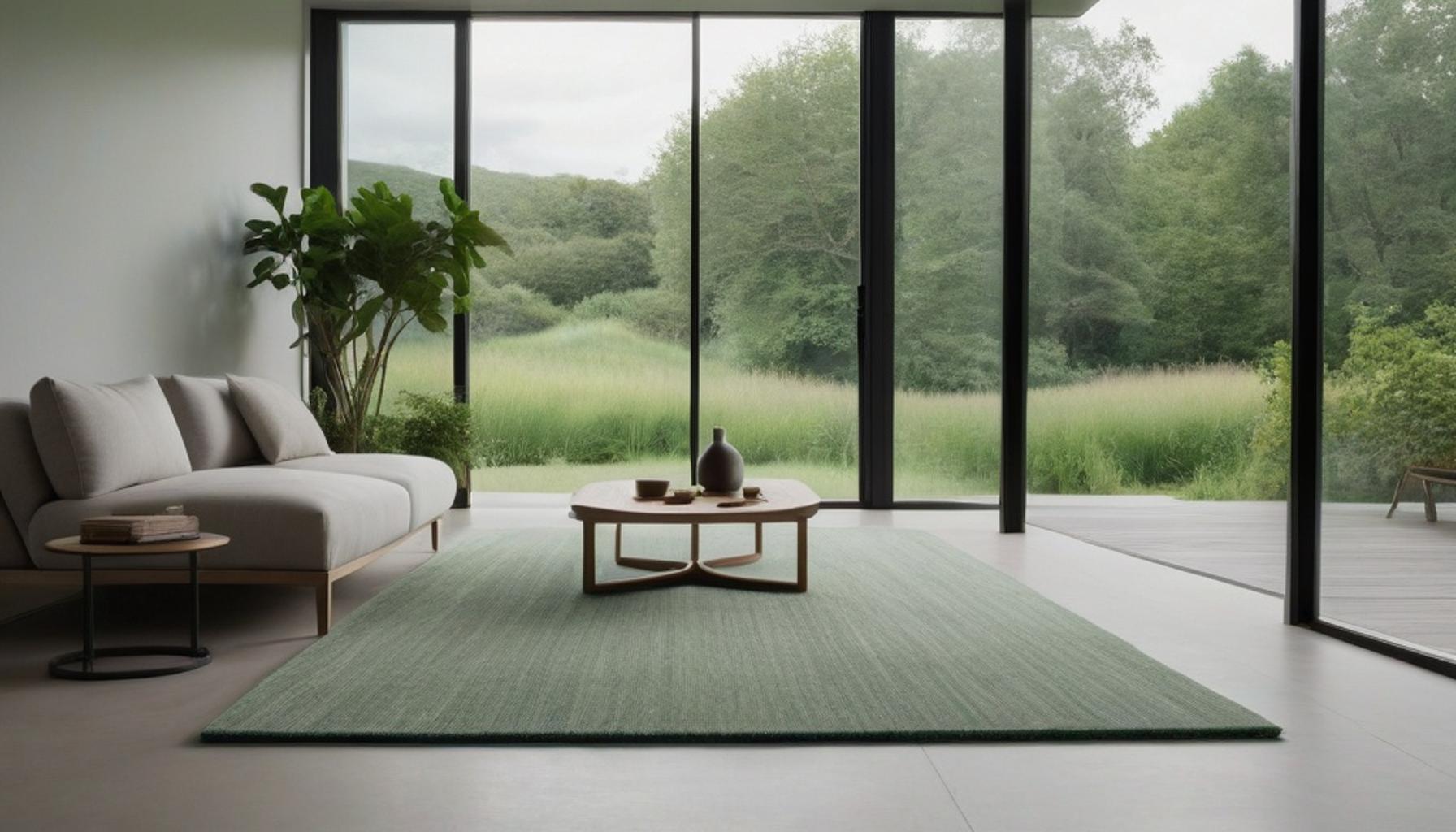
Minimalism and Sustainability: Living with Less for a Better Future

Rethinking the American Dream: Less Stuff, More Purpose
In today’s consumer-driven society, Americans collectively spend over $1.2 trillion annually on nonessential goods, contributing to a culture defined by excess and accumulation. However, studies have increasingly found that clutter can lead to elevated levels of stress and anxiety, prompting many to reconsider what it means to live well. A burgeoning movement centered on Minimalism and Sustainability is emerging, advocating for a lifestyle that emphasizes purpose over possessions, and wellness over waste.
A prime example of this shift can be witnessed in neighborhoods such as Portland, where residents are embracing tiny homes that often boast eco-friendly materials and energy-efficient designs. Similarly, in Brooklyn, many are transforming their kitchens into zero-waste spaces by opting for bulk shopping, composting, and repurposing materials. This novel approach illustrates that living with less can lead to a more fulfilling existence devoid of the burdens imposed by material excess; it allows individuals to reclaim their time, finances, and mental clarity.
Why This Lifestyle Shift Matters Now
Several pressing issues, including climate change, soaring living costs, and widespread consumer burnout, have all coalesced, driving a notable shift towards a sustainable lifestyle. The urgency of this transformation is underscored by alarming statistics:
- The average U.S. household is cluttered with approximately 300,000 items, according to the LA Times.
- According to research, the fashion industry is responsible for a staggering 10% of global carbon emissions.
- On average, every American generates about 4.9 pounds of trash daily, based on Environmental Protection Agency data.
What these numbers illustrate is a troubling paradox: while acquisition might promise happiness, true fulfillment is often stifled by overconsumption that adversely affects both personal finances and the planet.
What You’ll Discover in This Guide
Throughout this article, readers will delve into the vital connection between simplified living and environmental stewardship. The guide purports to offer practical minimalist living tips that facilitate a reduction in waste without dismissing comfort or style.
- Essential benefits of minimalism for both mental health and financial well-being.
- Effective strategies for implementing eco-friendly minimalism within homes.
- Inspiring real-life examples of families who have drastically cut their consumption levels.
- Actionable steps that anyone can take to begin decluttering sustainably today.
Whether the curiosity lies in creating capsule wardrobes or examining strategies to cut down plastic waste, this exploration provides a roadmap toward a more mindful lifestyle. The pivotal question for readers isn’t whether less can translate to more; rather, it’s about how swiftly one might embark on this transformative journey.
CHECK OUT: The Minimalist Mindset: Decluttering Techniques for a Stress-Free Home
The Hidden Connection Between Minimalism and Sustainability
At first glance, decluttering a closet and saving the planet might seem worlds apart. Yet Minimalism and Sustainability are deeply intertwined movements, both rooted in a simple premise: consume less, waste less, live better. When Americans buy fewer disposable goods, the ripple effect touches manufacturing emissions, landfill overflow, and even household budgets.
Consider the math. The Environmental Protection Agency reports that textile waste alone accounts for 17 million tons annually in the United States. Much of this stems from fast fashion habits, impulse purchases, and the mistaken belief that newer always means better. Minimalists challenge this notion by asking a pointed question before every purchase: does this add genuine value to my life?
The Financial Case for Living With Less
Beyond environmental impact, there’s a compelling economic argument. Households practicing intentional consumption report saving an average of $6,000 to $8,000 per year, according to financial wellness surveys. That’s money redirected from cluttered garages into retirement accounts, debt repayment, or experiences that actually create lasting memories.
This financial shift explains why cities like Austin and Denver have seen a surge in minimalist meetup groups and zero-waste workshops. Residents aren’t just chasing a trend; they’re responding to stagnant wages, rising rent, and a growing skepticism toward consumerism as a path to happiness.
Core Benefits of Minimalism Backed by Research
Psychologists and sustainability researchers have identified several measurable advantages tied to simplified living. These benefits of minimalism extend far beyond tidy shelves:
- Reduced cortisol levels linked to visual clutter, according to UCLA’s Center on Everyday Lives and Families.
- Lower household carbon footprints, since fewer purchases mean fewer emissions from production and shipping.
- Increased savings rates, freeing up income for sustainable investments or debt elimination.
- Greater life satisfaction reported among individuals who prioritize experiences over material accumulation.
Interestingly, this isn’t purely anecdotal. A 2022 study published in the Journal of Consumer Research found that people who adopted minimalist habits reported a 20% increase in overall well-being within six months.
Small Shifts, Significant Impact
Adopting eco-friendly minimalism doesn’t require moving into a 200-square-foot tiny home overnight. It often starts with smaller, deliberate choices: swapping single-use plastics for reusable alternatives, or committing to a 30-day no-spend challenge on nonessential items.
These incremental steps compound over time, creating habits that support both personal finances and environmental health. The question now becomes how to translate these principles into everyday practice, something the next section explores in greater detail.

CHECK OUT: Maximizing Small Spaces: Smart Storage Solutions for a Minimalist Lifestyle
Practical Strategies for a Sustainable Lifestyle Rooted in Minimalism
Turning minimalist philosophy into daily habit requires more than good intentions. Sustainability experts point to structured frameworks that make living with less approachable rather than overwhelming, especially for households accustomed to decades of accumulation.
The 90/90 Rule and Other Practical Filters
Organizing consultant Joshua Becker popularized what’s now called the 90/90 rule: if an item hasn’t been used in the past 90 days, and there’s no reasonable expectation it’ll be used in the next 90, it’s likely safe to donate or sell. This simple filter removes emotional decision-making from the decluttering process.
Other minimalist living tips gaining traction across American households include:
- The one-in-one-out rule, where every new purchase requires removing an existing item.
- Capsule wardrobes limited to 30 to 40 versatile pieces, reducing both closet clutter and textile waste.
- Digital decluttering, since cloud storage and streaming services also carry surprising carbon costs tied to server farms.
- Meal planning around a fixed weekly grocery list, cutting food waste by an estimated 25%, according to the USDA.
Repair, Reuse, and Rethink Before Replacing
Right-to-repair movements have gained legislative momentum in states like New York and Minnesota, giving consumers legal backing to fix electronics rather than discard them. This shift aligns directly with eco-friendly minimalism, where the goal isn’t deprivation but extending the lifecycle of what already exists.
Repair cafés, community spaces where volunteers help mend clothing, furniture, and small appliances, have multiplied in cities like Portland and Minneapolis. These grassroots efforts save thousands of pounds of material from landfills each year while reinforcing a culture that values longevity over disposability.
Housing and Transportation: The Bigger Levers
While decluttering drawers matters, researchers note that housing size and transportation choices carry far greater environmental weight. A Cornell University study found that homes under 1,800 square feet consume roughly 40% less energy than the American average of 2,300 square feet.
Similarly, households that downsize to a single vehicle, or eliminate car ownership altogether in walkable cities like Chicago or San Francisco, report significant reductions in both spending and carbon output. These larger structural choices often deliver more impact than smaller consumer swaps, though both contribute to the broader goal of a sustainable lifestyle.
Understanding which changes yield the greatest return, whether financial or environmental, helps households prioritize effort where it truly counts.
LEARN MORE: Efficient Living: Practical Organization Tips for Every Room in Your Home
Minimalism and Sustainability: A Blueprint for What Comes Next
The convergence of minimalism and sustainability isn’t a passing trend confined to home organizing shows. It’s a measurable response to overconsumption, one backed by data from Cornell, the USDA, and a growing patchwork of state legislation supporting repair over replacement.
What emerges from this movement is a clear hierarchy of impact. Small habits, like the 90/90 rule or capsule wardrobes, build discipline and awareness. But the real transformation happens when households tackle bigger structural choices: smaller homes, fewer vehicles, and appliances built to last rather than break on schedule.
Rethinking Progress Beyond Accumulation
American culture has long equated square footage and possessions with success. Yet the growing interest in living with less suggests a quiet redefinition underway, one where freedom looks like fewer financial obligations rather than more storage units.
This shift carries real economic weight too. Families practicing eco-conscious downsizing often report meaningful savings, freeing up income for experiences, debt repayment, or long-term financial security instead of maintenance and clutter.
Where the Movement Goes From Here
Cities expanding repair cafés, states strengthening right-to-repair laws, and builders designing smaller, energy-efficient homes all point toward infrastructure catching up with intention. The benefits of minimalism are no longer just personal; they’re beginning to shape policy and urban planning.
The path forward doesn’t demand extremes. It asks households to question default consumption patterns and consider what genuinely adds value. Whether through a single decluttered closet or a decision to live car-free, every choice contributes to a broader, quantifiable shift toward a lower-impact future, one built not on scarcity, but on intention.
Frequently Asked Questions
How can adopting minimalism contribute to environmental sustainability?
Adopting minimalism encourages individuals to reduce consumption, which leads to less waste and lower energy usage. By focusing on quality over quantity, minimalists often choose durable, eco-friendly products that have a smaller carbon footprint, ultimately contributing to a more sustainable way of living.
What are some practical steps to start living a minimalist lifestyle while promoting sustainability?
Begin by decluttering your living space and donating or recycling items you no longer need. Next, shift your purchasing habits to favor second-hand goods and sustainable brands that prioritize minimal packaging, using resources wisely, and producing ethically made products to support a sustainable economy.
Can minimalism help reduce feelings of stress and anxiety related to consumer culture?
Yes, minimalism can significantly alleviate stress by reducing the clutter and distractions associated with excessive possessions. It encourages mindfulness and intentional living, allowing individuals to focus on experiences rather than material ownership, which can lead to greater emotional well-being.
Is it possible to balance minimalism with a family that has different consumption habits?
Balancing minimalism with family members who have different consumption habits requires open communication and compromise. Encourage family discussions about values related to sustainability and explore family-friendly minimalist practices, such as setting limits on new purchases or planning zero-waste activities, to foster a shared understanding.

Beatriz
Beatriz Johnson is a seasoned minimalist and writer with a passion for simplifying the complexities of personal organization and intentional living. With over a decade of experience in decluttering strategies and mindful consumption, she specializes in topics like space optimization, habit simplification, and sustainable lifestyle choices. Through her work on our website, Beatriz empowers readers to embrace minimalism, reduce mental and physical clutter, and create more meaningful, organized lives in today's fast-paced world.