Maximizing Space: Mindful Practices for Efficient Home Organization
Small Spaces, Big Potential
American homes are shrinking. According to the U.S. Census Bureau, the average new single-family home dropped below 2,300 square feet in recent years, while apartment sizes in cities like New York and San Francisco continue to tighten. This trend toward compact living presents unique challenges, particularly when it comes to managing space effectively.
Yet cluttered closets and overflowing garages remain a universal struggle, affecting residents in suburban neighborhoods and urban centers alike. The good news? Home organization tips rooted in mindfulness can transform even the tightest square footage into a functional, breathable space, allowing for serenity amidst the constraints of size.
Why Mindful Organization Matters
This isn’t just about stacking bins or buying trendy storage containers. Mindful organization practices encourage intentional decisions about what you keep, why you keep it, and where it belongs. For example, revisiting your wardrobe and assessing each item based on recent wear can reveal clothes that no longer serve a purpose, providing a clearer view of what remains truly valuable.
Research from the National Association of Professional Organizers suggests that decluttering can reduce stress hormones and improve focus. The act of choosing to release items that no longer serve you contributes to a sense of control, significantly enhancing your mental well-being. That’s a compelling reason to rethink your relationship with stuff.
What You’ll Discover
This guide explores practical, research-backed strategies for reclaiming your home’s potential. Expect insights on:
- Efficient space management techniques for kitchens, closets, and multipurpose rooms. For instance, using pull-out shelves or lazy Susans can maximize deep corners that often go unused.
- Proven decluttering techniques that go beyond a one-time weekend purge, such as adopting a “one in, one out” policy that encourages continual reassessment of your belongings.
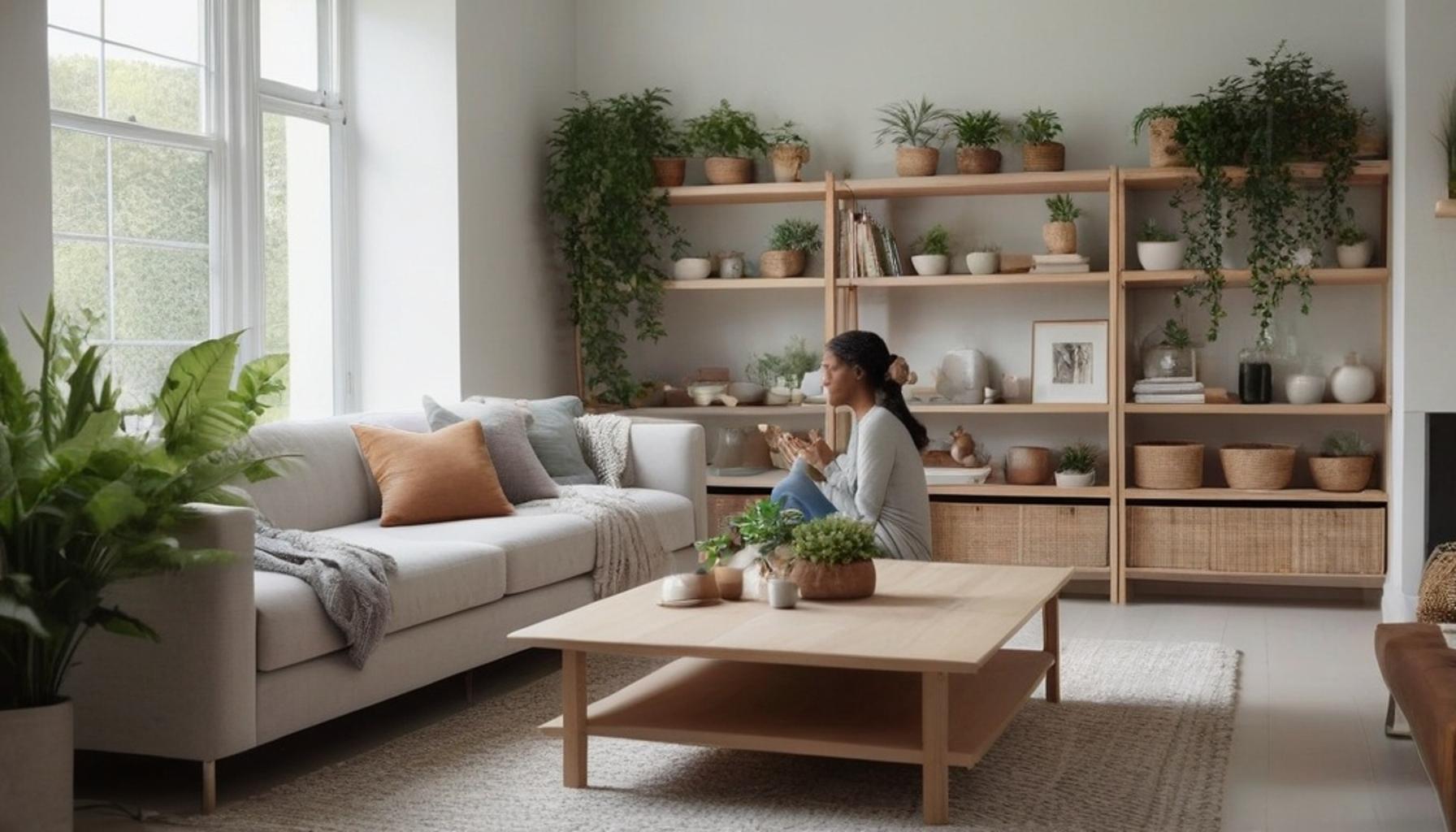
- Small space solutions tailored to apartments, condos, and starter homes, like utilizing vertical space with tall bookshelves or installing wall-mounted hooks for bicycles, which keeps the floor area open.
- Creative home organization ideas using vertical storage, modular furniture, and hidden compartments. Imagine a coffee table that opens up to reveal a storage compartment for games or blankets, merging functionality with aesthetic appeal.
Whether you’re downsizing, decluttering after a move, or simply craving a calmer living environment, these strategies offer a roadmap. Taking small, mindful steps towards organization not only enhances the beauty of your space but also fosters a more peaceful mindset. The path to an organized home starts with a single, mindful decision—one that can redefine how you interact with your living space daily.
DISCOVER MORE: Click here for kitchen organization tips
# The Psychology Behind Cluttered SpacesBefore diving into storage solutions, it helps to understand why clutter accumulates in the first place. Psychologists point to decision fatigue as a primary culprit—the mental exhaustion that builds when we’re forced to make countless small choices throughout the day. Deciding whether to keep, toss, or store an item becomes yet another decision, and often, the easiest choice is to do nothing at all.This explains why closets fill up and junk drawers become catch-alls. It’s not laziness; it’s cognitive overload. Recognizing this pattern is the first step toward developing sustainable mindful organization practices that actually stick.
The Hidden Cost of Disorganization
Clutter isn’t just visually unappealing—it carries real, measurable costs. A study published in the Journal of Environmental Psychology found that individuals living in cluttered homes reported higher cortisol levels, the hormone associated with stress, compared to those in tidy environments.Beyond mental health, disorganization often leads to financial waste. The average American household spends over $1,700 annually on items they already own but can’t locate, according to estimates from organizing industry analysts. Duplicate purchases, forgotten subscriptions, and misplaced tools add up quickly.Consider these common scenarios where lack of organization drains resources:
- Buying replacement kitchen gadgets because the originals are buried in overstuffed cabinets.
- Paying late fees on bills misplaced in disorganized paperwork piles.
- Repurchasing seasonal clothing that’s inaccessible in poorly sorted storage bins.
- Wasting time each morning searching for keys, chargers, or important documents.
Small Changes, Measurable Impact
The encouraging part is that efficient space management doesn’t require a complete home renovation or an expensive shopping spree at a container store. Simple shifts in daily habits often yield the most noticeable results.Take the “five-minute reset” method, favored by professional organizers across the country. Spending just five minutes each evening returning items to their designated spots prevents the kind of accumulation that leads to overwhelming weekend cleanouts. This micro-habit, repeated consistently, compounds into significant long-term order.Similarly, assigning a specific “home” for frequently used items—keys, mail, remote controls—eliminates the daily scramble that fuels frustration. These aren’t groundbreaking concepts, but their consistent application separates genuinely organized households from those in a perpetual state of near-chaos.Understanding these underlying patterns sets the stage for the practical, room-by-room strategies that follow.

DISCOVER MORE: Click here for tips on a clutter-free kitchen
# Room-by-Room Strategies That Actually WorkOnce the psychological groundwork is understood, the next logical step involves applying home organization tips to specific areas of the house. Different rooms present different challenges, and a one-size-fits-all approach rarely delivers lasting results.Kitchens, for instance, tend to accumulate duplicate tools and expired pantry items faster than any other space. Bathrooms suffer from product overload, while bedrooms often become dumping grounds for clothing that no longer fits the season—or the person wearing it.
The Kitchen: Where Clutter Multiplies Fastest
American kitchens have grown larger over the past two decades, yet somehow they still feel cramped. The culprit isn’t square footage; it’s poor categorization.Professional organizers recommend the “zone method,” which groups items by function rather than type. Coffee supplies, baking tools, and everyday dishware each get a designated zone near their point of use. This single adjustment reduces the number of steps taken during meal prep by an estimated 30 percent, according to kitchen efficiency studies conducted by design firms.
- Store items near where they’re used—mugs near the coffee maker, not across the room.
- Use clear bins for pantry staples to prevent forgotten, expired products.
- Install vertical dividers for baking sheets and cutting boards instead of stacking them.
Closets and Small Space Solutions
Closet organization remains one of the most requested services among professional organizers nationwide, and for good reason. The average American closet holds far more than it was designed to store.Small space solutions like double-hang rods, over-the-door shoe organizers, and vacuum-sealed storage bags can effectively double usable space without any construction. Seasonal rotation—swapping out clothing every few months—also prevents closets from becoming overstuffed year-round.
Home Offices and Digital Clutter
Physical clutter isn’t the only concern. With remote work now a permanent fixture for roughly 22 million American households, home offices have become their own organizational battleground.Effective decluttering techniques extend beyond paperwork to include cable management, digital file organization, and even inbox maintenance. A cluttered desktop, both physical and digital, has been linked to reduced focus in workplace productivity research.Setting aside fifteen minutes weekly to sort mail, file documents, and clear desktop icons prevents the kind of backlog that turns a home office into another source of stress rather than productivity.
DISCOVER MORE: Click here for essential tips
Bringing It All Together: A Mindful Approach to Lasting Order
Efficient space management isn’t a weekend project with a finish line. It’s an ongoing relationship between people and their belongings, one that requires periodic reassessment rather than a single dramatic overhaul.
Throughout this discussion, one theme surfaces repeatedly: home organization tips only work when they’re tailored to actual behavior, not aspirational habits. The zone method succeeds in kitchens because it matches how people already move through the space. Closet systems fail when they ignore how someone actually gets dressed each morning.
What Separates Temporary Fixes From Real Change
Households that sustain their progress tend to share one trait: they treat mindful organization practices as maintenance, not restoration. Fifteen minutes of weekly upkeep, as mentioned regarding home offices, prevents the kind of accumulation that eventually demands a full weekend to undo.
This is where many well-intentioned efforts collapse. A single decluttering session, no matter how thorough, cannot outpace the steady influx of mail, purchases, and hand-me-downs that define American household life.
- Reassess storage systems every season, not just once a year.
- Prioritize function over aesthetics when selecting small space solutions.
- Track which areas regenerate clutter fastest and address root causes, not just symptoms.
Looking Beyond the Immediate Results
Emerging research on household behavior suggests that organized environments influence far more than convenience. Reduced visual clutter has been associated with lower cortisol levels and improved sleep quality, according to several environmental psychology studies.
That connection between physical space and mental well-being deserves more attention than it typically receives in mainstream advice. The next frontier of home organization ideas may focus less on bins and labels, and more on understanding why disorganization triggers stress in the first place.
For now, the most reliable path forward remains consistent, small-scale decluttering techniques applied room by room, paired with realistic expectations about what “organized” actually looks like in a lived-in American home.
Frequently Asked Questions
What are some practical home organization tips for small living spaces?
To maximize space in small living areas, consider using multifunctional furniture, such as ottomans with storage or sofa beds. Additionally, vertical storage solutions like shelving and hooks can help keep items off the floor and create a more spacious feel.
How can I effectively declutter my home before organizing?
Start by sorting items into categories: keep, donate, and discard. Tackle one area at a time to avoid feeling overwhelmed, and set a timeline for each space to ensure you stay on track with your decluttering efforts.
What mindful practices can I incorporate into my home organization routine?
Mindful practices such as regularly checking in with your belongings and asking, ‘Does this bring me joy?’ can help you decide what to keep. Creating a mindful environment also involves being intentional about what you purchase and how those items fit into your space.
Are there specific storage solutions that optimize space in kitchens?
Yes, using stackable containers can maximize cabinet space, while magnetic strips can hold metal utensils to free up drawer space. Additionally, consider utilizing corner cabinets with lazy Susans to make the most of every inch in your kitchen.
What are some effective home organization tips for a home office?
In a home office, prioritize a clutter-free desk by using drawer organizers and cable management systems. Create dedicated zones for different tasks, such as a reading nook or filing area, to improve productivity and keep your workspace organized.
How can I maintain an organized home after implementing these tips?
To maintain organization, establish a daily routine of tidying up and put items back in their designated places after use. Consider scheduling weekly organization check-ins to reassess your spaces and adjust as needed, keeping your home efficient and clutter-free.

Beatriz
Beatriz Johnson is a seasoned minimalist and writer with a passion for simplifying the complexities of personal organization and intentional living. With over a decade of experience in decluttering strategies and mindful consumption, she specializes in topics like space optimization, habit simplification, and sustainable lifestyle choices. Through her work on our website, Beatriz empowers readers to embrace minimalism, reduce mental and physical clutter, and create more meaningful, organized lives in today's fast-paced world.