Maximizing Space: Smart Storage Solutions for Small Apartments
Small Space, Big Potential: Why Smart Storage Matters
Nearly one-third of American renters now live in apartments under 750 square feet, according to recent housing data. As city living gets pricier and units get smaller, the pressure to organize efficiently has never been higher. With increasing urbanization and the trend of minimalistic living, the challenge of maximizing small spaces has become a significant concern for many. How can you transform a quaint apartment into a sanctuary of comfort and functionality?
The good news? You don’t need a bigger apartment to feel less cramped. You just need smart storage solutions that work with your space, not against it. Innovative ideas can help you make the most of what you have, leading to a more enjoyable living experience.
What This Guide Covers
This article dives into practical, tested strategies for turning cramped city apartments into functional, breathable homes. Whether you’re in a studio in Chicago or a one-bedroom in Brooklyn, these ideas translate across floor plans. Your space can be a reflection of your personality and lifestyle without feeling cluttered.
We’ll explore:
- Space-saving furniture that multitasks, such as Murphy beds that fold up into the wall, offering a cozy sleeping area by night and a living space by day, or nesting tables that can expand or contract based on your needs.
- Creative storage solutions hiding in overlooked spots, like utilizing the empty space under stairs for baskets or drawers, or installing shelves above kitchen cabinets to store cookbooks or decorative items.
- Vertical storage systems that free up valuable floor space, from towering bookcases to wall-mounted hooks, optimizing every inch of vertical real estate.
- Small apartment storage ideas for kitchens, such as magnetic spice racks that cling to the fridge or pull-out pantry shelves, ensuring everything has its place.
- Budget-friendly hacks anyone can implement this weekend, including DIY solutions like using old wooden crates for trendy storage and colorful bins for organization that personalize your living area.
Interior designers have long known a secret: it’s not about how much square footage you have, but how you use it. A well-organized 500-square-foot apartment can feel more spacious than a cluttered 900-square-foot one. Implementing simple yet effective storage solutions allows for a seamless flow in your living environment, improving both functionality and aesthetics.
Ready to maximize small space storage without a full renovation? Let’s uncover the tools and techniques that make efficient storage for apartments not just possible, but surprisingly simple. Engage with your space creatively, and discover how small adjustments can lead to big transformations—making your apartment a true home.
DISCOVER MORE: Click here for tips on a clutter-free kitchen
# Multi-Functional Furniture: The Foundation of Efficient Storage for ApartmentsWalk into any well-designed small apartment and you’ll notice something immediately: the furniture works overtime. This is the first principle of smart storage solutions—every piece should earn its square footage by doing double, sometimes triple, duty.According to a 2023 survey by the National Association of Home Builders, apartments under 700 square feet now make up a growing share of new urban housing stock. That shift has fueled demand for space-saving furniture that didn’t exist a decade ago. Manufacturers have taken notice, and the options available today go far beyond the basic futon.## Furniture That Pulls Double DutyConsider these practical upgrades that experienced New Yorkers and Angelenos swear by:
- Storage ottomans that hide blankets, remotes, or shoes while doubling as extra seating for guests.
- Bed frames with built-in drawers, eliminating the need for a separate dresser entirely.
- Extendable dining tables that shrink to a two-person console during the week and expand for dinner parties on weekends.
- Fold-down desks mounted directly to the wall, perfect for remote workers who need a workspace without sacrificing a room.
- Sofa beds with storage compartments underneath, ideal for studio apartments hosting overnight guests.
These aren’t gimmicks. Interior designers in cities like Boston and San Francisco—where average apartment sizes hover around 750 square feet—rely on these pieces as go-to recommendations for clients feeling boxed in.## The Psychology of Fewer, Smarter PiecesThere’s a counterintuitive truth here: cramming a small apartment with more furniture, even multi-purpose furniture, can backfire. The goal isn’t to fill every gap. It’s to select fewer pieces that each serve multiple functions, leaving visual breathing room.A cluttered apartment—even one with clever furniture—still reads as small. Ceilings feel lower, hallways feel narrower, and stress levels can climb. Studies on environmental psychology consistently link visual clutter to increased cortisol levels, meaning your storage choices don’t just affect aesthetics; they affect how you feel at the end of a long day.This is why creative storage solutions often start with subtraction, not addition. Before buying anything new, ask: what can multitask? What can disappear when not in use? A dining table that folds flat against the wall after dinner does more for your apartment’s breathing room than any decorative shelf ever could.The next section tackles a specific challenge many renters overlook—the vertical space above their heads.
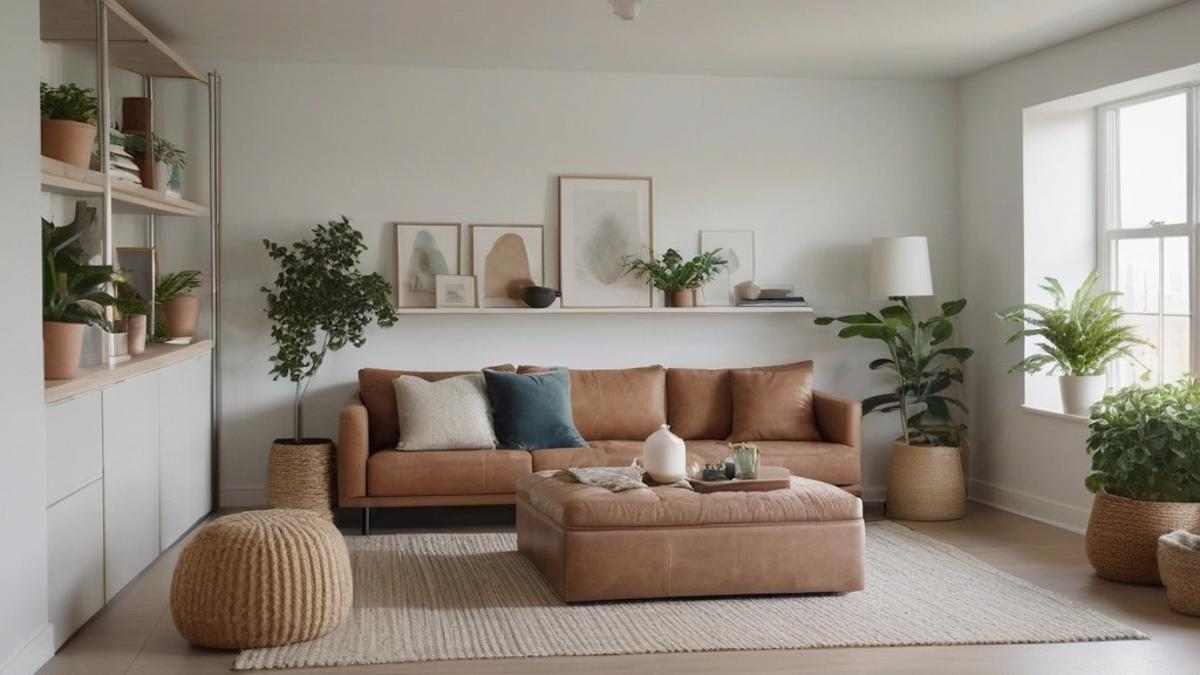
DISCOVER MORE: Click here to simplify your kitchen
Going Vertical: Untapped Storage Hiding Above Eye Level
Most renters furnish a room by thinking in two dimensions—where things sit on the floor. But the real opportunity in small apartment storage ideas often starts around the five-foot mark and climbs from there. Walls have height. Closets have air above the hanger rod. Ceilings, in many pre-war buildings common in cities like Chicago and Philadelphia, soar higher than modern construction, leaving feet of dead space most tenants never use.
Why Vertical Space Gets Overlooked
Interior designers often point to a simple habit: people shop for storage at eye level because that’s what catalogs display first. Floating shelves, wall-mounted cabinets, and ceiling-height bookcases rarely get the same spotlight, even though they can add hundreds of cubic feet of usable space without expanding a single wall.
A 2022 report from the American Institute of Architects noted that vertical storage integration has become one of the fastest-growing requests in small-space renovation consultations, particularly among renters converting one-bedroom units into functional live-work spaces.
Practical Ways to Build Upward
Here are strategies that make efficient storage for apartments possible without a single structural change:
- Floor-to-ceiling shelving units that use every inch above the baseboard, reserving top shelves for seasonal items accessed only a few times a year.
- Over-the-door organizers for closets, bathrooms, and pantries—an inexpensive fix that instantly reclaims wasted door-panel real estate.
- Wall-mounted pegboards in kitchens, popular in tiny New Orleans shotgun-style apartments, that keep pots and utensils off counters entirely.
- Loft beds or elevated sleeping platforms, which free the entire floor area beneath for a desk, closet system, or seating nook.
- Hanging closet organizers with double or triple tiers, effectively doubling clothing capacity in the same footprint.
Retailers have responded accordingly. Container Store and IKEA both report steady annual growth in modular, stackable shelving lines designed specifically for renters who can’t drill into walls—a common restriction in leased units across major metros.
The Rule of Sightlines
One detail separates functional vertical storage from cluttered vertical storage: sightlines. Keep the lower third of a room relatively open and reserve upper shelving for less-used items. This keeps a small apartment feeling tall rather than boxed in, even when every inch above head height is working hard.
This approach to maximize small space storage costs far less than most people assume—often under $200 for a full room of shelving—while delivering a noticeably calmer, more organized living environment.
Bringing It All Together: Small Space, Smart Choices
Living well in a compact apartment isn’t about owning less—it’s about storing smarter. From floor-to-ceiling shelving to loft beds that reclaim entire sections of floor, the strategies covered here prove that square footage doesn’t have to dictate quality of life. The most effective Smart Storage Solutions work quietly in the background, letting a space breathe rather than bulge with clutter.
What the Data Really Tells Us
Renters across cities from Boston to Denver are discovering that vertical thinking, not square footage, determines whether a room feels cramped or comfortable. The growing retail demand for modular shelving and multipurpose furniture confirms a broader shift: people want space-saving furniture that adapts to their lives, not the other way around.
This matters because urban apartment sizes continue shrinking nationwide, even as rents climb. According to RentCafe, the average American apartment has lost nearly 30 square feet over the past decade. That trend alone makes creative storage solutions less of a design trend and more of a practical necessity.
Final Thoughts for Renters
Start small. Pick one overlooked area—above a closet rod, beside a doorway, beneath a bed—and test a single solution before overhauling an entire room. Momentum builds quickly once the results become visible.
Ultimately, the goal isn’t to fill every inch but to use each one intentionally. Whether it’s a $20 over-the-door rack or a custom-built loft platform, every step toward efficient storage for apartments adds up to a home that feels larger, calmer, and more livable than its square footage suggests.
Frequently Asked Questions
What are some affordable smart storage solutions for tiny apartments?
Affordable smart storage solutions include utilizing multifunctional furniture, like ottomans with hidden compartments or coffee tables with built-in shelves. You can also use vertical wall space by installing floating shelves or pegboards for organizing items. Look for storage bins and baskets that can be tucked away under beds or couches to keep things tidy.
How can I make the most of closet space in a small apartment?
Maximizing closet space can be achieved by using slim, non-slip hangers to create more hanging room and adding shelf dividers to keep stacks neat. Consider implementing over-the-door organizers for shoes or accessories, and install hooks inside the closet door for additional storage. Using vacuum-sealed bags for off-season clothing can also free up valuable space.
Are there specific smart storage tools for maximizing kitchen space?
Yes, using magnetic strips for knives and metal utensils can free up counter space while keeping items accessible. Stackable storage containers can help organize pantry items efficiently, and installing pull-out shelves or drawer organizers will maximize cabinet space. Consider using a rolling cart for additional mobile storage that can be tucked away when not in use.
What are some innovative smart storage ideas for small bedrooms?
In small bedrooms, consider using under-bed storage containers to hold out-of-season clothes or extra linens. Hanging organizers on the back of the door can maximize vertical space for accessories and toiletries. Additionally, investing in a lofted bed can create extra room for a desk or storage underneath, making the most of your available square footage.

Beatriz
Beatriz Johnson is a seasoned minimalist and writer with a passion for simplifying the complexities of personal organization and intentional living. With over a decade of experience in decluttering strategies and mindful consumption, she specializes in topics like space optimization, habit simplification, and sustainable lifestyle choices. Through her work on our website, Beatriz empowers readers to embrace minimalism, reduce mental and physical clutter, and create more meaningful, organized lives in today's fast-paced world.