Efficient Organization: Creating Functional Spaces with Minimalism
Rethinking How Americans Use Space
Across the United States, homes are shrinking while belongings keep piling up. The average American household contains over 300,000 items, yet living spaces have not grown to accommodate that accumulation. This stark reality has led many to reconsider their living environments, sparking what some are calling a quiet revolution in how people approach their homes and their possessions.
This growing concern about space has given rise to a trend towards efficient organization, which is viewed as a practical and sustainable solution to cluttered rooms and overwhelmed closets. Rather than simply managing clutter, this approach encourages individuals to rethink their interactions with their belongings and how their spaces can be utilized.
Why Minimalism Is Gaining Ground
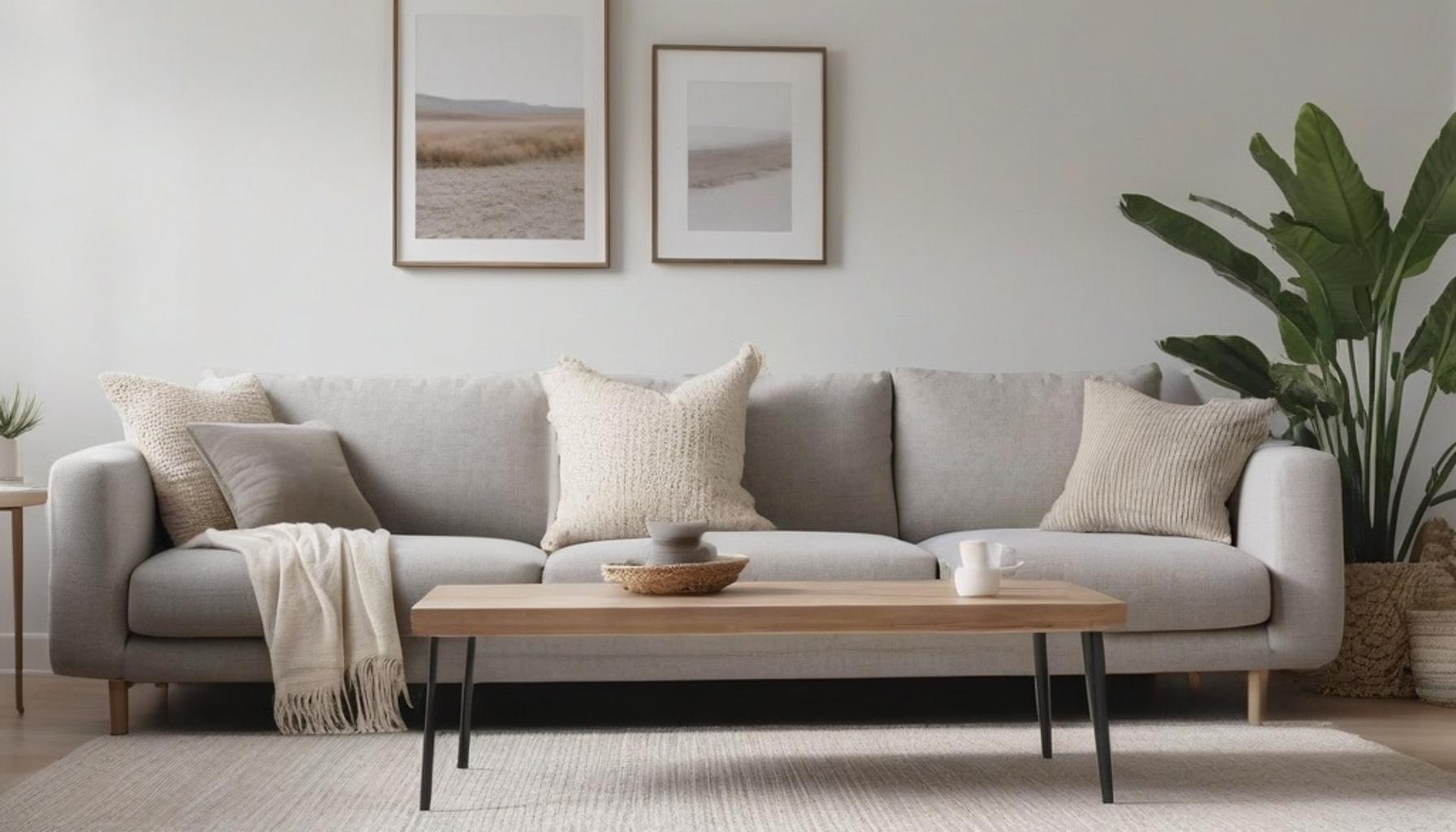
Minimalism in home design is a philosophy centered around the concept of intentionality. It emphasizes the significance of owning only what truly serves a purpose or brings joy, while eliminating distractions and excess. This philosophy isn’t about cultivating an austere environment; rather, it creates a harmonious atmosphere where every item plays a meaningful role.
- Reduced visual clutter that lowers daily stress: A clean, organized space has been shown to enhance mental clarity and reduce anxiety, allowing individuals to focus better on daily tasks.
- Multi-functional furniture that maximizes small footprints: Pieces such as ottomans with hidden storage, fold-out desks, or murphy beds can drastically increase functionality in smaller homes, providing flexibility without sacrificing aesthetics.
- Simplified cleaning routines that save hours each week: Fewer items mean less dusting, sorting, and cleaning, allowing households to reclaim valuable time for activities that matter.
- Lower spending on unnecessary purchases: With a greater emphasis on quality over quantity, minimalism encourages consumers to invest in durable, versatile pieces that last, reducing impulse buys and fostering a mindful consumption approach.
These benefits illustrate why decluttering for efficiency has transcended a mere design trend, becoming a mainstream priority that resonates with a larger demographic. It speaks to the core of modern American life, where the pressures of time, money, and space collide.
What This Article Covers
Successfully creating functional spaces involves more than just tossing out old boxes; it requires strategy, intention, and a clear understanding of how each room should inherently function. The following sections will dive into actionable tips for implementing minimalist organization strategies across various living environments, from compact apartments to spacious family homes.
Readers will discover invaluable insights on transforming everyday spaces into efficient havens that enhance daily routines, all while maintaining personal style and comfort. For instance, mastering kitchen storage can lead to not just a more inviting cooking space but also encourage a healthier cooking habit, while appropriate bedroom layouts can significantly improve sleep quality by promoting relaxation and minimizing distractions.
Each room-by-room strategy outlined in the upcoming sections will provide not only practical tools but also the inspiration needed to help American households reclaim space, time, and, ultimately, peace of mind. By embracing this organizational revolution, individuals can create homes that reflect their values and support their lifestyles.
CHECK OUT: Decluttering Techniques for an Organized Home: Embracing the Minimalist Mindset
Ask any professional organizer where clutter accumulates fastest, and most will point straight to the kitchen. It’s the busiest room in the American home, yet it’s often the most disorganized. Between gadgets purchased on a whim, mismatched containers, and pantry items long past their prime, kitchens have become a case study in why efficient organization matters.
The issue of kitchen clutter is not merely anecdotal. A 2023 survey conducted by the National Association of Productivity and Organizing Professionals revealed that the average household uses only about 20 percent of its kitchen tools regularly. The remaining gadgets and utensils sit idly, consuming valuable real estate in cabinets and drawers. This excess inventory can hinder daily routines, making meal preparation feel like a chore rather than an enjoyable activity.
There is a misconception that applying minimalism in home design requires stripping the kitchen down to bare counters and stark walls. However, true minimalist organization means being deliberate about what earns a spot in this high-traffic zone. By cultivating a kitchen that prioritizes functionality and simplicity, homeowners may unlock a space that enhances both cooking and social interactions.
- Zone-based storage: Grouping items by function can significantly improve kitchen workflows. For example, keeping cooking tools—like spatulas, spoons, and measuring cups—near the stove, and placing cutting boards and knives close to prep areas minimizes movement and enhances efficiency. This arrangement allows for a seamless flow that can transform what is often a chaotic cooking experience into an intuitive and enjoyable activity.
- The one-in, one-out rule: Adopting this principle can help maintain balance in kitchen inventory. For every new appliance or utensil brought home, an old or unused one must leave. This strategy encourages introspection about which items genuinely contribute to kitchen efficiency and helps prevent accumulation of rarely used tools.
- Clear containers for pantry staples: Using transparent bins for staples such as rice, pasta, and snacks not only reduces food waste—by allowing you to see what you have and avoid purchasing duplicates—but it also contributes to a cleaner, more streamlined look. Clear storage solutions can make it easier to locate ingredients quickly and promote a sense of order.
- Vertical storage solutions: In many American kitchens, where square footage has remained flat for decades despite population growth, maximizing storage space is crucial. Wall-mounted racks for pots and pans, as well as stackable shelving units for canned goods, can free up valuable counter space and create additional room for food preparation or socializing.
These minimalist organization tips serve a purpose beyond aesthetics. A well-organized kitchen has been linked to healthier eating habits. A study conducted by Cornell University found that individuals who operate in cluttered environments are more likely to snack on unhealthy foods. Conversely, those navigating tidy, open kitchen spaces tend to make more deliberate, healthier food choices.
Small Changes, Measurable Results
Homeowners who commit to decluttering for efficiency in the kitchen commonly report significant time savings during meal preparation, with some experiences cutting cooking-related tasks by nearly a third. For families balancing busy work schedules, school runs, and numerous extracurricular activities, this time savings is invaluable, enabling them to redirect their energy towards more meaningful interactions.
Furthermore, the kitchen serves as a perfect starting point for anyone eager to embrace functional minimalist spaces. The immediate and tangible payoff realized here can motivate individuals to apply similar organizing principles to other high-use areas of the home, such as living rooms and home offices, thus laying the groundwork for a wider organizational transformation throughout the household.
YOU MAY ALSO LIKE: Creating a Clutter-Free Home: Effective Decluttering Techniques for Every Space
Beyond the Kitchen: Bedrooms, Closets, and the Home Office
Once the kitchen has been tackled, many homeowners turn their attention to the bedroom closet, another notorious clutter hotspot. According to a 2022 report from the American Cleaning Institute, the average American owns roughly 103 pieces of clothing, yet regularly wears only about a third of that wardrobe. This disconnect between ownership and use is a textbook example of why efficient organization matters far beyond the kitchen walls.
Closets present a unique opportunity for applying minimalism in home design because the payoff is immediate and visual. A closet organized by category and color not only looks appealing but also shortens the time spent deciding what to wear each morning. Some organizing consultants estimate this can save the average person nearly 15 minutes daily, or roughly 90 hours a year.
- The capsule wardrobe approach: Building a rotating collection of 30 to 40 versatile pieces reduces decision fatigue and cuts down on unworn inventory. This method has gained traction across the country, especially among urban dwellers with limited closet space.
- Drawer dividers and labeled bins: Small investments in organizational tools can prevent drawers from becoming catch-alls. Labeling bins for accessories, undergarments, or seasonal items keeps everything findable at a glance.
- Seasonal rotation systems: Storing off-season clothing in vacuum-sealed bags or under-bed containers frees up prime closet real estate while keeping items accessible when needed.
The home office, a space that expanded rapidly in relevance following the shift toward remote and hybrid work, presents its own organizational challenges. A Stanford University study on workplace productivity found that visual clutter can reduce an individual’s ability to focus by as much as 20 percent. For millions of Americans now working from home at least part of the week, this statistic carries real weight.
Applying Minimalist Principles to Work-From-Home Spaces
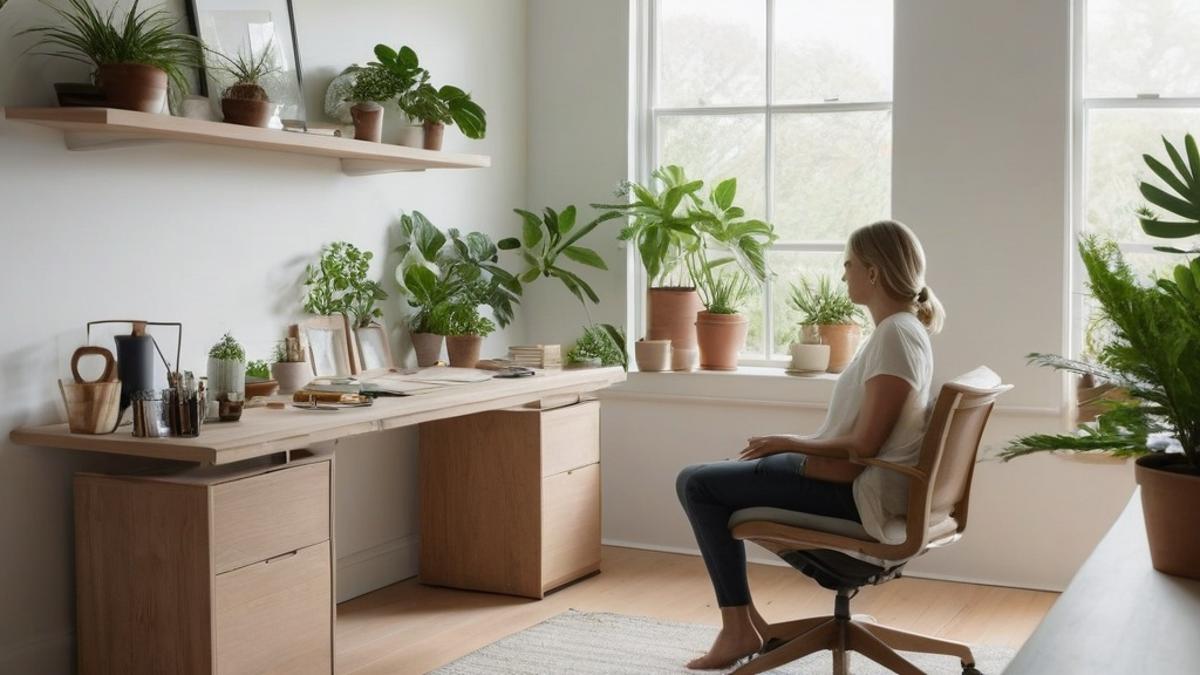
Creating functional minimalist spaces within a home office often starts with the desktop itself, both physical and digital. Limiting surface items to only what’s used daily—a laptop, a notepad, perhaps a single plant—can dramatically improve concentration and workflow.
Cable management systems, floating shelves, and closed storage for paperwork also play a role in maintaining a distraction-free environment. Many productivity experts recommend a weekly five-minute reset ritual, clearing surfaces before logging off on Fridays, as a simple form of decluttering for efficiency that prevents small messes from snowballing into overwhelming ones by Monday morning.
These minimalist organization tips, when applied consistently across multiple rooms, reveal a pattern: the specific space matters less than the underlying discipline of intentional selection. Whether it’s a closet, a desk, or a kitchen drawer, the principle remains the same—fewer, better-chosen items lead to spaces that function as they should.
YOU MAY ALSO LIKE: Smart Storage Hacks: Innovative Solutions for Maximizing Small Space Organization
The Bigger Picture: Why Minimalism Works Long-Term
From kitchen drawers to home office desks, the numbers tell a consistent story. Clutter is not simply a cosmetic issue; it carries measurable costs in time, focus, and even mental health. Efficient organization is less about achieving a picture-perfect aesthetic and more about building systems that quietly support daily life.
What separates a lasting transformation from a temporary tidy-up is consistency. A capsule wardrobe or a labeled pantry only stays functional if the underlying habits, ones and out, regular resets, intentional purchases, are maintained. This is the real foundation of minimalism in home design: not a single decluttering weekend, but an ongoing relationship with the objects that enter a home.
Consider the ripple effects. Fewer possessions often mean less time cleaning, lower stress levels, and even reduced spending, since owning less naturally curbs impulse purchases. Some researchers studying consumer behavior have linked minimalist households to noticeably lower rates of buyer’s remorse, a detail worth considering for anyone still on the fence.
- Start small: Choose one drawer, shelf, or closet section rather than attempting a whole-house overhaul in a single weekend.
- Track the results: Note time saved or stress reduced after implementing changes, as concrete feedback reinforces the habit.
- Revisit regularly: Seasonal check-ins keep functional minimalist spaces from slowly reverting to clutter.
Ultimately, creating functional spaces is a practice, not a destination. The kitchen, closet, and home office examples explored throughout this discussion serve as a blueprint, but the same logic applies to garages, entryways, and beyond. Anyone curious about where to begin might simply ask: what’s the one space causing the most daily friction? That answer, backed by a few thoughtful minimalist organization tips and a commitment to decluttering for efficiency, is often the best starting point toward a home that finally works the way it should.
Frequently Asked Questions
How can I start organizing my home using minimalism principles?
To begin organizing your home with minimalism, start by decluttering one room or area at a time. Focus on keeping only items that serve a purpose or bring you joy, and consider donating or recycling everything else. Use storage solutions that are functional yet simple, and aim for a clean, open space that promotes efficiency.
What are some effective storage solutions for small spaces?
In small spaces, consider using multifunctional furniture, like ottomans with storage or beds with drawers underneath. Vertical storage options like shelves or wall-mounted organizers can help maximize space. Clear bins can also help you easily identify contents while maintaining a minimalist look.
How does minimalism contribute to better organization in my workspace?
Minimalism in your workspace can significantly reduce distractions, leading to increased focus and productivity. By eliminating unnecessary items and organizing essential tools only, you create a space that fosters creativity and efficiency. A clutter-free desk can make it easier to find what you need quickly, enhancing your overall work performance.
What are the benefits of implementing efficient organization in my daily life?
Implementing efficient organization can lead to reduced stress levels and improved time management in your daily life. By knowing where everything is and reducing clutter, you save time spent searching for items and can focus on what truly matters. This mindset fosters a clutter-free lifestyle that encourages clarity and decision-making.
Can I maintain a minimalist approach while still having decorative items in my home?
Absolutely! You can maintain a minimalist approach by carefully selecting decorative items that have personal meaning or beauty. Limit the number of decorative pieces to a few favorites, ensuring they complement your space without overwhelming it. This way, you can still enjoy aesthetics while promoting efficient organization.
How can I teach my family to adopt a minimalist lifestyle for better organization?
To encourage your family to embrace a minimalist lifestyle, involve them in the decluttering process and explain the benefits of efficient organization. Create a fun activity around sorting through belongings and allow each family member to keep a few cherished items. Establish routines for maintaining organization and celebrate small successes to build momentum toward a minimalist home.

Beatriz
Beatriz Johnson is a seasoned minimalist and writer with a passion for simplifying the complexities of personal organization and intentional living. With over a decade of experience in decluttering strategies and mindful consumption, she specializes in topics like space optimization, habit simplification, and sustainable lifestyle choices. Through her work on our website, Beatriz empowers readers to embrace minimalism, reduce mental and physical clutter, and create more meaningful, organized lives in today's fast-paced world.